





 Including FREE delivery










What is premature ejaculation?
Premature ejaculation (PE) occurs when ejaculation happens earlier than desired — often within a few minutes of penetration, or sometimes before sexual activity begins. It can be distressing for both partners and may reduce enjoyment and confidence, affecting men's health and wellbeing.
Typical premature ejaculation symptoms include:
- consistently ejaculating too quickly
- difficulty delaying ejaculation
- feeling a lack of control during sex
- stress, frustration or relationship tension as a result
PE can occur at any age and is treatable with the right support.
How common is premature ejaculation?
Premature ejaculation (PE) is the most common male sexual dysfunction. It affects approximately 20% to 30% of men (up to 75% in some studies) across all age groups, ethnicities and cultures. This makes it the most common complaint of sexually active men. Most men experience occasional episodes at some point in their lives, especially during stress or new sexual experiences.
Lifelong versus acquired PE
Lifelong (primary) PE is present from first sexual experiences and typically has neurobiological or genetic causes, though psychological factors can exacerbate it. Men with lifelong PE have consistently experienced rapid ejaculation throughout their sexual history. This form tends to be more challenging to treat but still responds to comprehensive approaches to early ejaculation treatment.
Acquired (secondary) PE develops after a period of normal ejaculatory control and is characterised by men who suddenly experience premature ejaculation after previously having satisfactory ejaculatory latency. Acquired PE is more commonly associated with psychological factors such as stress or relationship changes, medical conditions like prostatitis or thyroid disorders, erectile dysfunction, or other identifiable triggers, including new medications or health problems. Acquired PE often has a better prognosis, as treating the underlying cause frequently resolves the PE.
Natural variable PE describes men who occasionally experience premature ejaculation inconsistently, or only with a specific partner, often related to situational factors like stress, fatigue, long periods of abstinence, or particular circumstances. This is considered a normal variation rather than a disorder requiring treatment.
Causes of premature ejaculation
Premature ejaculation often involves a complex interplay of psychological and physical factors. Understanding what causes premature ejaculation is crucial for selecting the most effective treatment approach.
Psychological and emotional causes
Performance anxiety is one of the most common psychological contributors to PE. Fear of not satisfying a partner, worrying about ejaculating too quickly, or general sexual anxiety can create a self-fulfilling prophecy where anxiety triggers the very outcome feared. This is particularly common in new relationships, after periods of sexual inactivity, or following previous experiences of premature ejaculation.
Early sexual experiences can influence future sexual behaviour throughout life. Men who learned to ejaculate quickly during early sexual encounters — whether due to fear of discovery, rushed situations, or anxiety — may develop a conditioned rapid response that becomes habitual. Premature ejaculation can sometimes be traced to psychological factors from early life, including a strict upbringing where sexuality was viewed negatively or shamefully, leading to conditioned patterns of rushing through sexual experiences that persist into adulthood.
Relationship issues, including poor communication, unresolved conflicts, lack of emotional intimacy, or feelings of pressure from a partner, can manifest as premature ejaculation. When there's underlying tension in the relationship, the body may respond with reduced ejaculatory control. Conversely, PE itself can create relationship strain, establishing a negative cycle.
Depression and mental health conditions are linked to PE both directly through neurochemical imbalances affecting serotonin and other neurotransmitters, and indirectly through reduced self-esteem, anxiety, and relationship difficulties. The connection between mood disorders and sexual dysfunction is bidirectional — each can cause or worsen the other.
Stress from work, finances, major life changes, or daily pressures elevates cortisol and adrenaline, which can accelerate the ejaculatory reflex. Chronic stress keeps the nervous system in a heightened state that promotes rapid ejaculation.
Guilt or shame about sex, stemming from religious or cultural beliefs, moral conflicts, or past experiences, can subconsciously drive men to "get it over with" quickly, manifesting as premature ejaculation even when consciously desiring longer-lasting intercourse.
Body image issues and low self-esteem can create self-consciousness during intimacy that interferes with relaxation and ejaculatory control. Men who feel inadequate about their appearance, penis size, or sexual abilities may experience increased anxiety that triggers PE.
Physical factors and medical causes
The physical causes of PE are significantly influenced by neurobiological factors. The neurotransmitter serotonin is crucial in regulating ejaculatory latency — low serotonin levels or altered serotonin receptor sensitivity are associated with premature ejaculation. This is why SSRIs (which increase serotonin) are effective treatments. Some men appear to have a neurobiological predisposition to PE, possibly inherited, where their ejaculatory reflex threshold is naturally lower.
Hormonal imbalances, particularly abnormal levels of testosterone, prolactin, thyroid hormones, or luteinising hormone (LH), can affect sexual function and ejaculatory control. Both high and low thyroid hormone levels (hyperthyroidism and hypothyroidism) have been associated with PE. Low testosterone may contribute to PE in some men, though the relationship is complex and not fully understood.
Inflammation or infection of the prostate gland (prostatitis) or urethra (urethritis) can cause premature ejaculation along with discomfort, pain during ejaculation, or urinary symptoms. Treating the underlying infection often resolves the PE.
Erectile dysfunction frequently coexists with or causes PE. Men who have difficulty achieving or maintaining erections may unconsciously rush to ejaculate before losing their erection, creating a pattern of rapid ejaculation. This is particularly common as men age and begin experiencing erectile difficulties.
Penile hypersensitivity or altered sensation in some men may contribute to the causes of quick release of sperm, as increased sensitivity to stimulation triggers ejaculation more quickly. However, the role of hypersensitivity remains debated, as sensation testing doesn't consistently differentiate men with PE from those without.
Genetic factors may predispose some men to lifelong premature ejaculation. Research has identified certain genetic variations in serotonin transporters and receptors that may influence ejaculatory timing, suggesting a hereditary component in some cases.
Neurological conditions such as multiple sclerosis, peripheral neuropathy, or spinal cord damage can disrupt the nervous system pathways controlling ejaculation, though these more commonly cause delayed ejaculation than PE.
Chronic health conditions, including diabetes, cardiovascular disease, obesity, and metabolic syndrome, are associated with increased PE risk through various mechanisms, including hormonal changes, vascular impairment, and psychological stress from chronic illness.
Medication and substance-related causes
Certain medications can contribute to PE as a side effect, including some antidepressants when first starting or discontinuing them (withdrawal), stimulant medications for ADHD, and some medications affecting neurotransmitter systems.
Recreational drugs, including stimulants (cocaine, amphetamines) and excessive alcohol, can disrupt ejaculatory control, either acutely or with chronic use.
Withdrawal from medications that delay ejaculation, particularly SSRIs, can temporarily cause rebound premature ejaculation until the body readjusts.
Lifestyle and behavioural factors
Infrequent sexual activity or long periods of abstinence often result in quicker ejaculation when sexual activity resumes, as men lose practice with ejaculatory control, and arousal is higher.
Masturbation habits developed during adolescence - particularly if characterised by rushing to completion quickly - may condition rapid ejaculatory patterns that carry into partnered sex.
Excessive pornography use may contribute to PE in some men through desensitisation, unrealistic expectations, or conditioning to rapid visual stimulation, though research on this is still emerging.
Excessive alcohol intake can disrupt coordination between arousal and ejaculation, reduce penile sensitivity and sexual satisfaction and interfere with central nervous system control of ejaculation.
When to seek treatment
Self-help strategies can help delay ejaculation, but if the problem happens frequently or causes frustration, consider medical support.
Seek help if:
- Ejaculation usually happens within one minute of penetration
- The issue causes stress, conflict or reduced intimacy
- Self-help methods have not improved control
Professional advice can identify the causes of early ejaculation and offer effective premature ejaculation cures, from behavioural therapy to medication.
Premature ejaculation treatments
Understanding that PE is a treatable medical condition, not a personal failing, is the first step toward effective premature ejaculation treatment. The best treatment for premature ejaculation is always personalised depending on the cause and your preferences. Common and effective options to treat premature ejaculation include:
Medical treatment options
Pharmaceutical PE treatments include oral medications, topical local anaesthetics, and, in selected cases, combination therapy tailored to the individual patient’s needs.
Oral drugs for premature ejaculation
Selective serotonin reuptake inhibitors (SSRIs) are the most effective medications for premature ejaculation. These premature ejaculation treatments work by increasing serotonin levels in the brain, which inhibits the ejaculatory reflex.
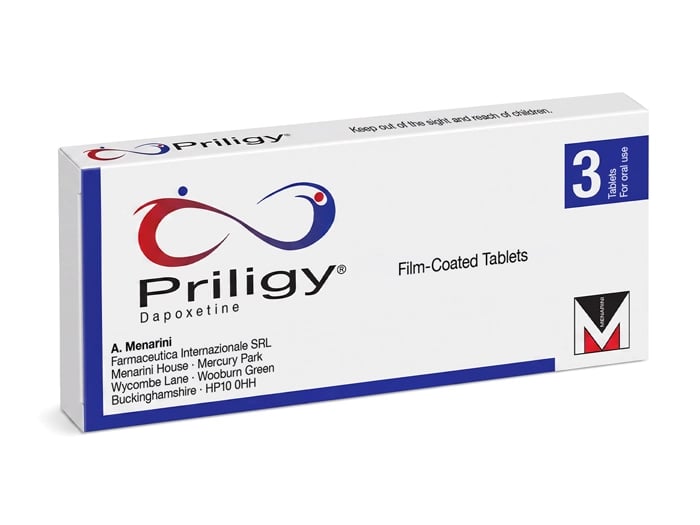
Dapoxetine (Priligy) is the only SSRI specifically developed and licensed for PE treatment in many countries, including the UK. It's a short-acting SSRI taken 1-3 hours before sex at doses of 30mg or 60mg, increasing the average time to ejaculation by 2-3 times.
Daily SSRIs such as paroxetine, sertraline, fluoxetine, and citalopram are taken continuously regardless of sexual activity. These are used off-label. The main advantage of daily SSRIs is consistent effect, while disadvantages include requiring 1-2 weeks to reach full effectiveness, daily medication burden, and common side effects, including nausea, fatigue, reduced libido, and erectile difficulties in some men.
Clomipramine, a tricyclic antidepressant, can be effective for PE but has more side effects than SSRIs and is less commonly used. It may be considered when SSRIs are ineffective or poorly tolerated.
PDE5 inhibitors (erectile dysfunction medications), while primarily used for ED, sildenafil (Viagra), tadalafil (Cialis), and other PDE5 inhibitors can help some men with PE, particularly when PE coexists with erectile dysfunction or when anxiety about maintaining an erection contributes to rapid ejaculation. The confidence from knowing an erection can be achieved and maintained may reduce anxiety and indirectly improve ejaculatory control. Some studies suggest PDE5 inhibitors may have a mild direct effect on delaying ejaculation through smooth muscle relaxation mechanisms.
Tramadol, an opioid painkiller, has been shown to delay ejaculation due to its effects on serotonin and noradrenaline. However, it is not licensed for the treatment of premature ejaculation in the UK and carries risks such as dependence, tolerance and side effects (including dizziness and nausea). It should only be considered under specialist medical supervision where other approved PE treatments have not been effective.
Topical anaesthetics
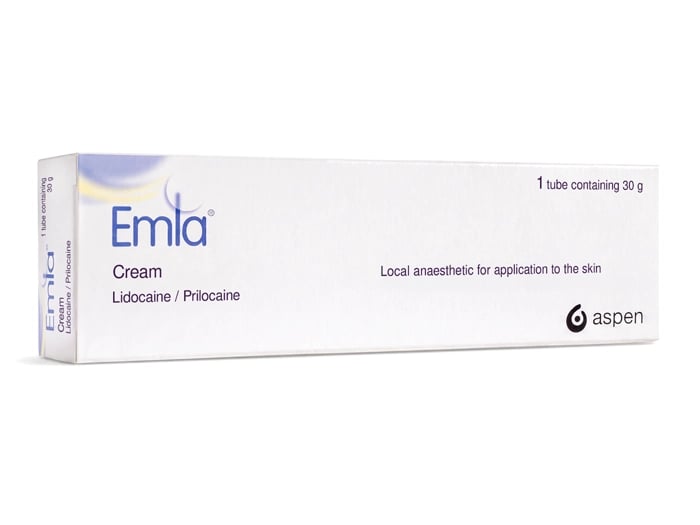
Lidocaine-prilocaine cream or spray (e.g. EMLA cream) applied to the penis 10-30 minutes before intercourse reduces penile sensitivity and delays ejaculation. These numbing agents work locally without systemic side effects. Emla cream is an appealing alternative for men who cannot or prefer not to take oral medications.
Fortacin (lidocaine-prilocaine spray) is licensed in the UK for treating adult men with primary PE. A study showed significant improvements in ejaculatory latency with good tolerability. The main drawbacks are potential penile numbness (which can reduce pleasure), possible transfer of numbness to the partner (though using a condom minimises this), and the need for precise timing before intercourse.
Sprays and wipes containing mild anaesthetics like benzocaine are also available over-the-counter and can provide similar benefits with appropriate application.
Combination therapy
Combining treatments often produces superior results to monotherapy. Common effective combinations include dapoxetine plus a PDE5 inhibitor for men with both PE and ED, showing synergistic benefits in multiple trials; topical anaesthetics combined with behavioural techniques, allowing gradual reduction in anaesthetic use as control improves; SSRIs combined with psychosexual therapy for comprehensive biological and psychological management; and Kegel exercises alongside any pharmacological treatment to enhance voluntary control.
Emerging and alternative treatment options
- Low-dose daily phosphodiesterase-5 inhibitors (PDE5i) in combination with SSRIs are being investigated as a maintenance approach for PE with promising early results.
- Acupuncture has shown some promise in small studies for treating PE, though larger, rigorous trials are needed to confirm effectiveness.
- Herbal supplements claiming to solve ejaculation problem (including various traditional Chinese medicine preparations) generally lack robust clinical evidence and are not recommended as primary treatments, though some men report subjective benefits.
- Botulinum toxin injections into the bulbospongiosus muscle are being researched as a potential treatment by reducing muscle contractility during ejaculation, but this remains highly experimental.
- Selective dorsal neurectomy (surgical nerve cutting) was historically used for severe refractory PE but has largely been abandoned due to risks of permanent numbness, erectile dysfunction, and variable success rates.
Behavioral and psychological treatments to better control ejaculation
Behavioral techniques are often the first-line approach, particularly for psychogenic PE or when combined with other treatments.
- The stop-start technique (also called the Semans technique) involves stimulating the penis until the man feels close to ejaculation, then stopping all stimulation until the urge subsides, before resuming. This is repeated several times before allowing ejaculation, gradually training ejaculatory control.
- The squeeze technique involves applying pressure to the head of the penis (just below the glans) for 10-20 seconds when ejaculation feels imminent, which temporarily reduces the urge and helps men gradually develop better ejaculatory control through repeated practice. Regular practice of these techniques over weeks to months can significantly improve ejaculatory latency and control.
Pelvic floor muscle exercises (Kegels) can help some men gain better control over ejaculation by strengthening the muscles involved in the ejaculatory reflex. Research published in Therapeutic Advances in Urology [1] found that pelvic floor rehabilitation improved premature ejaculation in a significant proportion of men through better muscle control and awareness. Furthermore, pelvic floor exercises have been shown to be beneficial not only in the rapid ejaculation treatment but also in treating erectile dysfunction.
Mindfulness and relaxation techniques help men stay present during sexual intercourse rather than becoming anxious about performance. Focusing on physical sensations, breathing deeply, and reducing performance pressure can extend ejaculatory latency. Studies have shown that mindfulness-based interventions can improve sex life and satisfaction in men with PE.
Sex therapy and psychosexual counselling address underlying psychological factors such as performance anxiety, relationship issues, early sexual conditioning, traumatic sexual experience or unrealistic expectations. Cognitive behavioural therapy (CBT) specifically targets anxious thoughts and maladaptive beliefs about sexual performance. Couples therapy can improve communication, reduce partner pressure, overcome relationship problems and help both individuals understand and manage previous problems together. Research demonstrates that combining psychological therapy with other treatments produces superior long-term outcomes compared to medication alone.
Lifestyle adjustments to treat premature ejaculation
- Regular sex can improve ejaculatory control in some men, as longer periods of abstinence may lead to quicker ejaculation.
- Masturbation an hour or two before partnered sexual activity may increase ejaculatory latency during intercourse, as the refractory period extends the time to subsequent ejaculation.
- Using condoms reduces penile sensitivity and may help delay ejaculation — thicker condoms or those marketed for prolonging performance can be particularly effective.
- Changing sexual positions to those providing less stimulation (such as positions where the man is less active) or pacing during intercourse (slowing down or pausing when highly aroused) can extend sexual encounters.
- Reducing performance pressure by expanding sexual intimacy beyond penetrative intercourse, focusing on foreplay and partner pleasure, can reduce anxiety and improve overall sexual satisfaction even if ejaculatory latency doesn't dramatically change.
How to prevent premature ejaculation
Understanding how to stop premature ejaculation starts with knowing how your body responds and making small lifestyle changes that may help reduce episodes.
How to stop quick release naturally? – These daily habits help prolong ejaculation:
- stress reduction (yoga, meditation, breathing exercises)
- regular exercise, especially core and pelvic floor training
- balanced diet to support hormonal health
- mindful, unrushed sexual activity
- avoiding excessive alcohol or nicotine
These are simple, effective premature ejaculation remedies that can boost body awareness and confidence.
|
Frequently asked questions about premature ejaculation
Premature ejaculation? Here are the most frequently asked questions – and clear answers.
How quickly does the treatment for premature ejaculation work?
That depends on the treatment method. Dapoxetine works after the first dose (1-3 hours before sex). Behavioural techniques require regular training over several weeks, but often show lasting success.
Is premature ejaculation curable?
Yes. With the right combination of techniques, lifestyle adjustments or medication for premature ejaculation, a man can see significant improvement — and for many, it can be fully resolved.
How to stop premature ejaculation naturally?
A natural premature ejaculation cure often involves:
- relaxation training
- pelvic floor exercises
- slower, more mindful stimulation
- changing routines or positions to reduce overstimulation
While natural methods can be helpful, many men achieve the best results from a combination of self-help and premature ejaculation medicine.
Can you get pregnant by premature ejaculation?
Yes. Pregnancy is possible even if ejaculation happens early or outside the vagina, as semen can still come into contact with the vaginal opening.
Does Viagra help for premature ejaculation?
Viagra (sildenafil) is a PDE5 inhibitor designed for erectile dysfunction (ED), not PE. Literally, it is not an ejaculation treatment, but when ED and PE occur together, PDE5 inhibitors may improve confidence and reduce performance anxiety, indirectly helping some men last longer.
Is premature ejaculation permanent?
No. PE is rarely permanent. With proper assessment and ejaculation treatment, men can regain control and notice long-lasting improvement.
Can masturbation training really help delay ejaculation?
Yes, certain techniques — such as “start-stop” or “squeeze” — can help improve ejaculation control. Regular, conscious training and patience are crucial, as the effect only becomes noticeable after some time.
Can physical fitness influence ejaculation?
Yes. Regular exercise, especially pelvic floor training and endurance exercises, improves blood circulation and body control. This can have a positive effect on ejaculation control and help prevent premature ejaculation.
Sources:
Pastore AL, Palleschi G, Fuschi A, et al. Pelvic floor muscle rehabilitation for patients with lifelong premature ejaculation: a novel therapeutic approach. Ther Adv Urol. 2014;6(3):83-88. doi:10.1177/1756287214523329. https://journals.sagepub.com/doi/10.1177/1756287214523329


