









What is Priligy?
Priligy is a prescription medicine that contains the active ingredient dapoxetine, a fast-acting SSRI specifically developed and used to treat premature ejaculation (PE). Unlike traditional antidepressants, dapoxetine tablets act rapidly and clear from the body quickly, making them ideal for on-demand use.
Because it is fast-acting and short-lived, Priligy tablets are taken only when needed.
Active ingredient and drug class
Dapoxetine, a short-acting selective serotonin reuptake inhibitor (SSRI), is the active substance of Priligy. Although many people associate SSRIs with depression treatment, dapoxetine is designed differently. Unlike traditional SSRIs, Priligy is intended specifically for on-demand treatment rather than daily use. The temporary support is achieved through rapid absorption and rapid elimination from the body. This makes dapoxetine a great option for men seeking one-time ejaculation support. Like all SSRI-class drugs, dapoxetine works by increasing serotonin levels in the nervous system [1]. Through this mechanism, Priligy plays a crucial role in delaying ejaculation.
Medical use to treat premature ejaculation
When a man is diagnosed with premature ejaculation, a healthcare provider may prescribe Priligy. The medication is particularly suitable for those patients who consistently ejaculate sooner than desired and experience distress or interpersonal difficulty as a result of such fast ejaculation. Priligy is intended for adult men aged 18 to 64. It is typically used on demand rather than as a continuous therapy. Clinical studies support its effectiveness. The tests have shown that dapoxetine can significantly improve ejaculatory latency time [2]. This helps men gain more confidence and better control during sexual activity.
Key Facts About Priligy
|
Active ingredient |
Dapoxetine |
|
Medicine type |
Selective serotonin reuptake inhibitor (SSRI) |
|
Form |
Film-coated tablets |
|
Administration |
Taken orally, as needed before sexual activity |
|
Use |
For men with premature ejaculation |
|
Typical dose |
30 mg, may be increased to 60 mg if needed |
|
Timing |
Taken 1 to 3 hours before sexual activity |
|
Minimum interval |
One dose per 24 hours |
|
How long does Priligy last? |
Up to 4 hours from onset |
|
Food & alcohol |
Can be taken with or without food; Avoid excessive drinking (combining Priligy and alcohol increases risk of side effects like fainting, dizziness); Avoid grapefruit juice within 24 hours before taking the medicine |
|
Prescription status (UK) |
Prescription-only medicine (POM) |
|
Manufacturer |
Menarini Group |
How does Priligy work?
Sexual stimulation triggers brain signals involved in arousal, orgasm and ejaculation. Men with premature ejaculation often have increased sensitivity in this pathway.
When used for premature ejaculation, Priligy increases serotonin levels in key areas of the brain, delaying the ejaculatory reflex and improving control.
This results in:
- 2–3 times longer time to ejaculation
- Better control over ejaculation
- Reduced distress and better sexual satisfaction
Serotonin’s role in ejaculation control
Why is serotonin important for PE? Well, serotonin is a neurotransmitter. That means it plays a vital part in mood, behaviour, and sexual function. Additionally, higher levels of serotonin in certain areas of the brain are associated with delayed ejaculation [3]. Therefore, in the context of premature ejaculation (PE), dapoxetine works by inhibiting the reuptake of serotonin. In this way, dapoxetine increases the availability of serotonin in synaptic spaces and enhances serotonergic activity, helping to regulate the reflex that triggers ejaculation. The result is improved ejaculation control and, therefore, prolonged time before climax.
Benefits of Dapoxetine tablets for premature ejaculation
There are several advantages of dapoxetine for men with PE issues:
- First, the drug is fast-acting. Usually, it starts working within one to three hours.
- Second, the tablets are taken only when needed. This reduces the burden of daily medication.
- Third, dapoxetine has been shown to improve not only timing but also perceived control, satisfaction, and overall sexual confidence.
Additionally, the short half-life of dapoxetine means it is cleared from the body relatively quickly [4]. This reduces the risk of long-term accumulation and side effects of Priligy. An important advantage compared to traditional SSRIs.
What Priligy does and does not treat?
Priligy is specifically indicated for the treatment of premature ejaculation and should not be used for other sexual disorders. More importantly, dapoxetine tablets do not treat:
- Erectile dysfunction (ED)
- Low libido
- Infertility
However, Priligy can improve sexual satisfaction indirectly, since better ejaculation control often results in a physical and psychological boost for men with PE issues. Still, it is important to note that the primary mechanism of the medication is focused on delaying ejaculation rather than enhancing erection quality. The drug is also not intended as a treatment for depression or anxiety, despite belonging to the SSRI class.
Priligy dosages and timing in premature ejaculation treatment
For maximum effectiveness, it is important to follow the guidelines regarding the dosage and timing. Here is an overview:
Starting dose and maximum dose
Priligy should only be taken as needed, before anticipated sexual activity. The recommended dose for starting treatment is 30 mg. Depending on effectiveness and tolerability, the dose may be increased to the maximum recommended dose of 60 mg [5].
Patients should not exceed one dose within twenty-four hours. If dose adjustments are necessary, they should always be guided by a healthcare professional to ensure safety and optimal results.
When to take tablets before sexual activity?
One downside to Priligy is that planning ahead is important. If the drug is taken too early or too late, its effectiveness could be affected (reduced).
The Priligy tablet should be taken approximately 1 to 3 hours before sex. This is enough time for the medication to reach peak plasma levels and fully exert its effect [6]. The tablet should be swallowed whole with a full glass of water to reduce the risk of such side effects as feeling dizzy or fainting.
Food and alcohol considerations
A heavy meal may slightly delay the absorption of Priligy. Other than that, the medication can be taken with food or on an empty stomach.
Do not drink grapefruit juice if you are taking Priligy, as it blocks the enzyme that breaks down the medicine, causing dangerous levels to build up in your blood and greatly increasing the risk of serious side effects of Priligy such as fainting and low blood pressure.
Avoiding alcohol consumption is recommended [7]. Even a limited intake of alcohol, in combination with dapoxetine, may increase the risk of side effects such as feeling dizzy and sleepy, drunk vision problems, having slow reactions and impaired judgment. Also, when you drink alcohol while taking medication, it increases the hypotensive effect, leading to low blood pressure.
Proper hydration also helps to minimise potential adverse effects.
How long does Priligy last?
The duration of Priligy effects may differ slightly from one user to another. However, the maximum effect window is long enough to provide satisfying ejaculation control in most individuals. Here are more details:
Onset and Duration of Effect
Priligy typically begins to work within 1 to 3 hours after ingestion. Its effects can last for several hours. During this time, users will feel a significant improvement in ejaculation control during sexual activity. Another benefit of Priligy is its short half-life. The medication is largely eliminated from the body within twenty-four hours [7]. This characteristic makes it suitable for on-demand use rather than continuous therapy.
Factors affecting effectiveness
Several factors can influence how well Priligy works. These include:
- Individual metabolism
- Overall health
- Psychological factors
- Adherence to dosing instructions
- Alcohol use, fatigue, and stress may also affect effectiveness.
Additionally, men with certain medical conditions or those taking interacting medications may experience reduced benefits or increased side effects [8]. Consulting a doctor is the best way to ensure that the treatment is appropriate and optimised for one’s particular needs.
How to take Priligy tablets correctly?
Standard dose:
Priligy 30 mg, taken 1–3 hours before intercourse
If insufficient:
A doctor may increase to 60 mg
How to take:
- Swallow whole with water
- Do not take more than one dose in 24 hours
- If you tend to feel nauseous, avoid taking it on an empty stomach
- Drink alcohol in moderation only — combining Priligy and alcohol increases the risk of side effects
Common usage mistakes:
- Taking two doses too close together
- Combining with recreational drugs (“poppers”, stimulants)
- Using with certain antidepressants or mood medications
- Taking without sexual activity planned
For the safest use, follow the medical instructions about Priligy dosage precisely.
Contraindications – who should not take Priligy?
Although Priligy is an effective premature ejaculation treatment, it is not suited to everyone. Do not take Priligy pills if you:
- have a history of fainting, unstable or low blood pressure
- have heart rhythm disorders
- have a history of severe depression
- take SSRIs, SNRIs, MAOIs, or lithium
- use recreational nitrates (“poppers”)
- take strong CYP3A4 inhibitors (ketoconazole, ritonavir)
- have severe liver disease
- are under 18 or over 64
- are a woman (Priligy is tested and approved only for men; safety and effectiveness in women are not established).
Use Priligy tablets with caution if you have:
- mild–moderate liver issues
- history of seizures
- bipolar disorder
- bleeding disorders or blood clotting problems
If you have a heart condition, speak to a doctor straight away before using Priligy. Premature ejaculation treatment with Priligy is not suitable for men with mental health problems, including depression, bipolar disorder, or schizophrenia, and a doctor must be consulted before use.
What side effects can occur with Priligy?
Very common side effects of Priligy include:
- Nausea
- Dizziness (also feeling dizzy upon standing)
- Headache
- Insomnia
- Diarrhoea
- Feeling overly excited, jittery or restless
Less common and rare side effects :
- Fainting
- Anxiety
- Sweating
- Increased blood pressure
Seek medical attention immediately if you experience:
- Severe dizziness or blackouts
- Chest pain
- Sudden mood changes
- Seizures
Most side effects are mild and temporary.
If you experience fainting, severe dizziness, or sudden changes in mood, stop taking Priligy and contact a doctor straight away.
Taking Priligy tablets with other medicines
You must not combine Priligy with:
- Serotonin reuptake inhibitors (SSRIs), Serotonin-Norepinephrine Reuptake Inhibitors (SNRIs), Monoamine Oxidase Inhibitors (MAOIs), tricyclic antidepressants: Patients with severe depression may already be on antidepressant therapy, creating serious drug interaction risks. Adding Priligy tablets on top of existing antidepressants significantly raises the risk of serotonin syndrome (a potentially life-threatening condition).
- Lithium: Co-administration with Priligy tablets raises the risk of serotonin syndrome and can affect cardiovascular function, compounding risks of irregular heartbeat or blood pressure difficulty;
- Thioridazine: Taking Priligy with this older antipsychotic raises the risk of life-threatening arrhythmias (e.g., torsades de pointes);
- Linezolid − this antibiotic used to treat infections inhibits monoamine oxidase as a side effect of its mechanism. Combining linezolid with dapoxetine carries a very high risk of serotonin syndrome.
- Taking Priligy with serious pain medicines like tramadol is particularly risky as both tramadol and dapoxetine affect serotonin pathways, raising the risk of serotonin syndrome. Combined CNS depression can increase dizziness, sedation, and the risk of fainting;
- Strong CYP3A4 inhibitors (ketoconazole, ritonavir, clarithromycin): CYP3A4 is a liver enzyme responsible for metabolising (breaking down) dapoxetine. When this enzyme is inhibited, Dapoxetine cannot be broken down efficiently, causing its levels in the blood to rise significantly. Thus, taking Priligy along with strong CYP3A4 inhibitors raises the risks of severe hypotension, syncope, and serotonin-related toxicity;
- Recreational nitrates/poppers: Taking Priligy along with these vasodilators can cause severe blood pressure drop, loss of consciousness, and cardiovascular collapse
- St John's Wort: This herbal medicine has well-documented serotonergic activity; it inhibits the reuptake of serotonin similarly to SSRIs. Combining it with Priligy treatment carries a significant risk of serotonin syndrome.
Priligy is also contraindicated with:
- Medicines used to treat migraines
- Certain medicines for fungal infection, including ketoconazole and itraconazole
- Certain medicines for HIV, including ritonavir, saquinavir, nelfinavir and atazanavir
- Certain antibiotics for treating infection, including telithromycin
- Nefazodone (an antidepressant).
Tell your doctor if you are taking any of the following medicines:
- PDE5 inhibitors: Taking Priligy along with the medicines used to treat ED (e.g., Viagra/sildenafil) is unwanted as both drugs can lower blood pressure;
- Antihypertensives: Certain medicines used to treat high blood pressure and chest pain (angina) (such as verapamil and diltiazem), or enlarged prostate, as these medicines may also lower your blood pressure, possibly upon standing;
- Medicines for mental health problems other than depression;
- Non−steroidal anti−inflammatory medicines such as ibuprofen or acetylsalicylic acid;
- Medicines to thin your blood, such as warfarin
- Certain other medicines for fungal infection, such as fluconazole;
- Certain other medicines for HIV, such as amprenavir and fosamprenavir;
- Certain other antibiotics for treating infection, such as erythromycin and clarithromycin;
- Aprepitant (used to treat nausea).
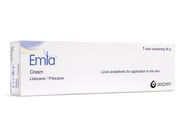
- Combining Priligy tablets with topical anaesthetics used to treat premature ejaculation (e.g., lidocaine/prilocaine sprays or creams like EMLA Cream) is generally considered lower risk but should still be used cautiously as systemic absorption of topical agents may occur.
Always inform your doctor of all the medications you are taking, including herbal supplements and over-the-counter products, before taking Priligy.
How to buy Priligy in the UK?
Priligy is a prescription-only medication.
In the UK, you can buy Priligy tablets (dapoxetine 30mg or 60mg) through:
- GP prescription – ask your doctor, who can prescribe Priligy tablets on the NHS or privately.
- Online provider – via reputable UK online platforms, where a clinician reviews your suitability before dispensing.
- Private pharmacy – some UK-regulated pharmacies offer a private prescribing service in-store.
To buy Priligy online
To buy dapoxetine in the UK, you must complete a medical assessment with a doctor or an online healthcare provider.
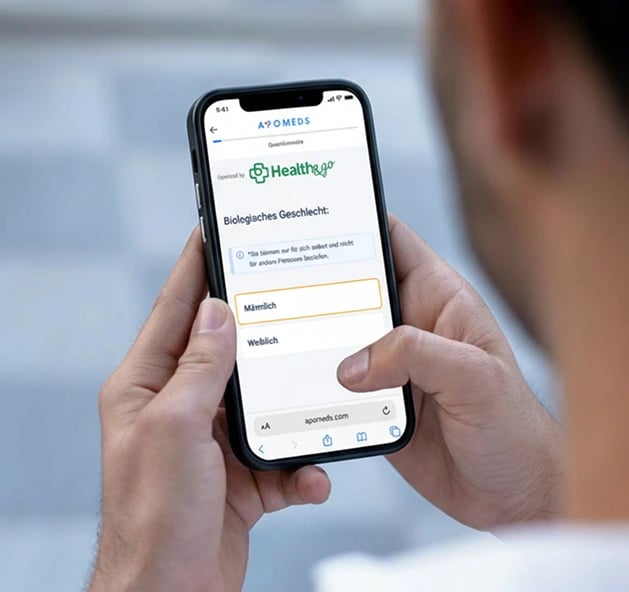
- To buy Priligy online, a clinician reviews your questionnaire and issues a prescription if suitable.
- It is not legal or safe to buy Priligy tablets over the counter in the UK.
- Offers to provide Priligy over the counter or without a prescription should be avoided – they may involve counterfeit medicines.
- The Priligy price in the UK varies depending on the supplier, the dosage, and the package size. The 30mg dapoxetine price of a 3-tablet pack ranges from £20. Ordering Priligy online entitles you to discounts and special offers.
Experiences with Priligy
Men using Priligy to manage premature ejaculation generally report improved control, reduced anxiety and longer-lasting sexual activity.
Some men experience side effects from Priligy such as feeling dizzy, having a headache or nausea, especially during the first doses or when taken on an empty stomach:
|

-
[1] Vieiralves, R. R., & Favorito, L. A. (2023). Dapoxetine and premature ejaculation. International braz j urol : official journal of the Brazilian Society of Urology, 49(4), 511–514. https://doi.org/10.1590/S1677-5538.IBJU.2023.9908
[2] Nieves Martín, M., Marín Novoa, P., & Avendaño-Coy, J. (2025). Dapoxetine combined with non-pharmacological approaches for lifelong premature ejaculation. A systematic review and meta-analysis. The journal of sexual medicine, 22(11), 1948–1957. https://doi.org/10.1093/jsxmed/qdaf238
[3] Abdel-Hamid, I. A., & Ali, O. I. (2018). Delayed Ejaculation: Pathophysiology, Diagnosis, and Treatment. The world journal of men's health, 36(1), 22–40. https://doi.org/10.5534/wjmh.17051
[4] Liu, G., Yin, Y., Zhang, L., He, D., & Yang, L. (2022). Efficacy of Dapoxetine in the Treatment of Patients With Lifelong Premature Ejaculation as an Alternative to Sertraline Therapy. Sexual medicine, 10(1), 100473. https://doi.org/10.1016/j.esxm.2021.100473
[5] Li, J., Liu, D., Wu, J., Fan, X., & Dong, Q. (2018). Dapoxetine for the treatment of premature ejaculation: a meta-analysis of randomized controlled trials with trial sequential analysis. Annals of Saudi medicine, 38(5), 366–375. https://doi.org/10.5144/0256-4947.2018.366
[6] Cai, D. Y., Yang, Y. P., Wu, J., Xu, S. Q., Guo, K. M., Wang, H. L., & Li, F. B. (2020). Zhonghua nan ke xue = National journal of andrology, 26(7), 611–615. https://pubmed.ncbi.nlm.nih.gov/33377716/
[7] Yan, K., Ju, G., Tan, Q., Zeng, L., & Qiu, W. (2021). Bioequivalence Analysis of 2 Dapoxetine Hydrochloride Formulations in Healthy Chinese Male Volunteers Under Fed and Fasting Conditions: A Randomized, Open-Label, 2-Sequence, 2-Period, 2-Way Crossover Study. Clinical pharmacology in drug development, 10(4), 384–392. https://doi.org/10.1002/cpdd.866
[8] Li, J., Liu, D., Wu, J., Fan, X., & Dong, Q. (2018). Dapoxetine for the treatment of premature ejaculation: a meta-analysis of randomized controlled trials with trial sequential analysis. Annals of Saudi medicine, 38(5), 366–375. https://doi.org/10.5144/0256-4947.2018.366


