












What is EMLA Cream 5%?
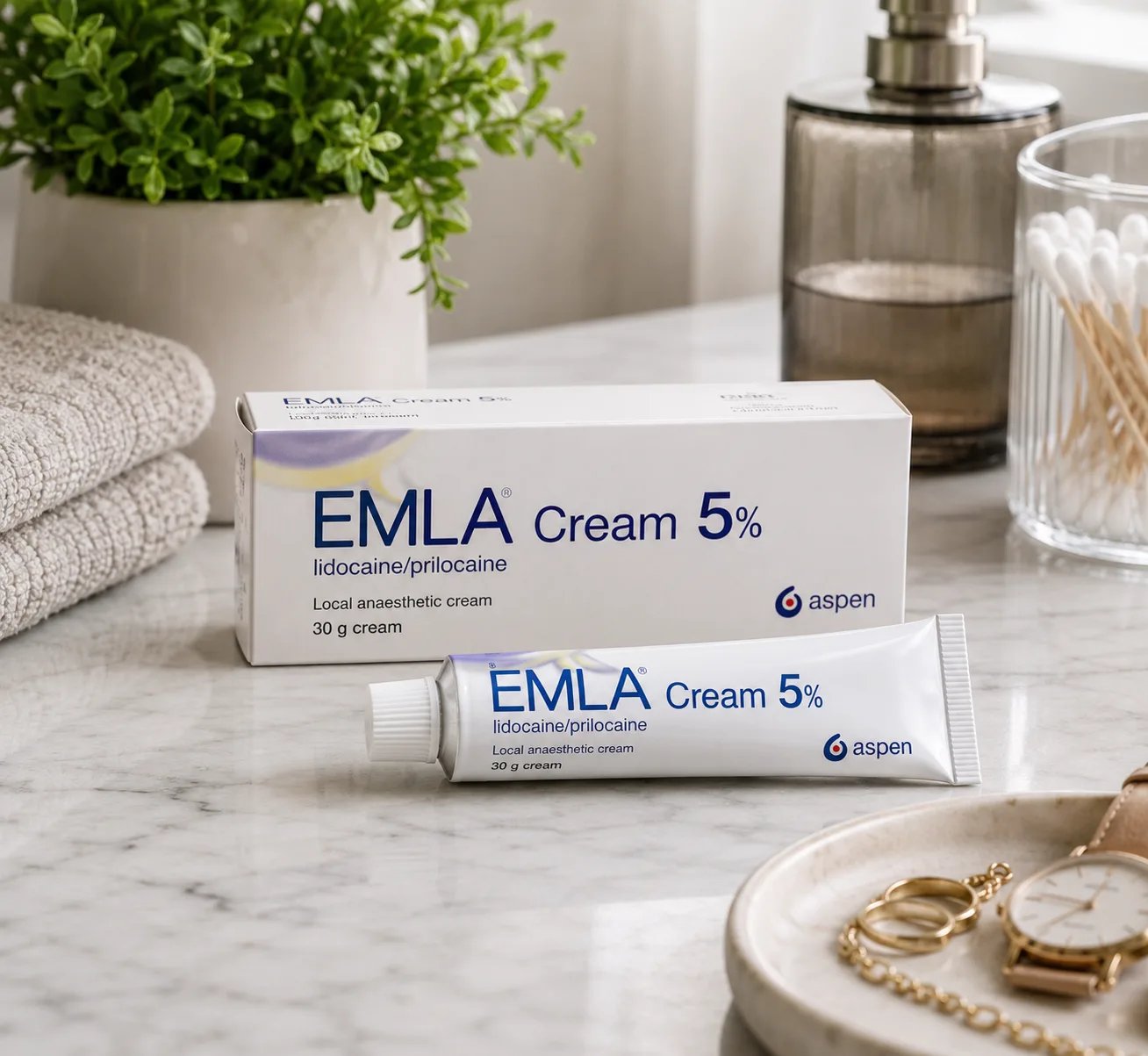
EMLA cream is a widely used topical anaesthetic that temporarily numbs the skin's surface. [1] Although designed for minor skin procedures (like injections, vaccinations or blood tests), the cream is also used for premature ejaculation to reduce penile sensitivity during sexual activity.
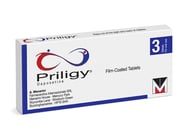
When applied 15-30 minutes before intercourse, EMLA numbing cream can help delay ejaculation by dulling the nerve endings responsible for rapid stimulation. Many men use it as a non-oral alternative to treatments such as Priligy.
EMLA Cream for PE in focus
|
Onset of action |
15–20 minutes after application |
|
How long does EMLA cream last? |
For 1 to 2 hours |
|
Use of the cream for premature ejaculation |
Applied to the glans (head of the penis); Remove before intercourse to prevent partner numbness |
|
Combination with other treatments |
Can be used alongside Priligy if approved by a clinician |
How does EMLA Cream work?
EMLA cream 5% contains lidocaine and prilocaine, two medicines called local anaesthetics that block nerve signals in the area where they are applied.
EMLA is a numbing agent. For men with premature ejaculation (PE), the cream reduces sensitivity in the penile skin, helping to delay stimulation and improve control.
It does not affect erection quality or libido, but some men find that reduced sensitivity helps them last longer during sex.
EMLA cream for premature ejaculation
EMLA numbing cream belongs to a group of medicines called local anaesthetics. It is widely known for its use in medical procedures. However, it may be used off-label to help manage premature ejaculation (PE) [2].
As a numbing cream, EMLA works by reducing sensitivity in the skin. The two active substances within the EMLA formulation are lidocaine and prilocaine. They are the ones responsible for the numbing effect of topical anaesthesia. It was originally developed for certain medical procedures, such as:
- Needle procedures
- Cosmetic needle procedures
- Laser hair removal
The desensitising effect of EMLA makes this cream useful in delaying ejaculation (when applied properly). The studies have shown that EMLA can increase intravaginal ejaculatory latency time (IELT) in men with premature ejaculation. [3, 6]
How do numbing creams help delay ejaculation?
A numbing cream like EMLA blocks nerve signals in the penile skin, thus reducing sensitivity. The active substances called lidocaine and prilocaine interfere with the transmission of sensory signals to the brain [4]. This creates a controlled numbing effect that enables better management of stimulation levels during intercourse.
By lowering overstimulation, EMLA's numbing effect can increase the time it takes to reach ejaculation. In individuals whose premature ejaculation issues are caused by hypersensitivity (rather than psychological factors), this is a particularly beneficial effect.
However, many potential users are worried about the possibility of experiencing complete numbness. With appropriate use, EMLA cream causes a balanced reduction in sensation that still allows for pleasurable sexual activity.
When can EMLA cream be used for PE?
EMLA may be a solid option when behavioural techniques or lifestyle changes are not effective [5]. It is practical, and it works well as an on-demand option for men seeking immediate improvement, eliminating the need for systemic medication. However, a healthcare provider (the medication is typically indicated for medical procedures) should guide the use of EMLA to counter PE.
Three groups of men who may benefit from using EMLA include:
- Individuals with lifelong PE
- Those experiencing hypersensitivity
- Men who prefer not to use oral medications
*Note: It is important to ensure correct usage to avoid excessive numbness or transfer to a partner.
How to apply EMLA cream for premature ejaculation?
When you apply EMLA, proper application is essential for both effectiveness and safety:
How much cream to apply?
A small pea-sized amount is usually enough. While a thick layer may be required in medical procedures (deeper numbing), this is not the case when using EMLA for PE. Applying too much may reduce sexual satisfaction, as it can lead to excessive loss of sensation.
Here’s how to do it:
- Apply a small, pea-sized amount to the glans and underside of the penis.
- Apply approximately 15 to 20 minutes before sexual activity to allow sufficient time for the anaesthetic effect to develop.
- Wipe off thoroughly with a clean cloth before sexual activity.
- You may use a condom to reduce the risk of transferring the cream to your partner.
- Do not reapply within the same sexual session.
- Avoid excessive amounts—this can cause over-numbing and reduced pleasure.
If you are unsure about how to use EMLA cream, consult your GP.
Precautions to prevent partner numbness
Other than washing, using a condom can help minimise the risk of transfer. Failure to remove the cream may result in reduced sensation for the partner, affecting their sexual experience. Additionally, excessive application may increase the likelihood of irritation or discomfort.
How long does EMLA cream last for PE?
The duration of the EMLA effect can vary. When used correctly, the numbing effect typically lasts for the duration of sexual activity, which is sufficient for most men using it as a PE treatment.
Leaving the cream on for longer than 30 minutes does not improve its effectiveness and often results in excessive numbness, which can lead to a loss of erection.
Typical duration of numbing effect
The numbing effect of EMLA is temporary. It typically lasts between one and two hours after removal. However, the duration depends on how long the cream was on the skin and how much of it was applied.
The effects wear off gradually, and normal nerve function returns because the active substances act only locally.
Factors that affect how long EMLA cream works
Three main factors influence how long EMLA's numbing effect lasts. These include:
- Skin thickness
- The amount used
- Duration of application
Leaving the cream on for longer can increase absorption and prolong the numbing effect, increasing the risk of excessive desensitisation.
Some other factors play a role too. These include individual sensitivity, circulation, and overall skin condition.
How quickly does EMLA cream work?
The onset and duration vary depending on how much cream is applied, how long it is left on before wiping off, and individual sensitivity.
Onset of action and absorption
Due to a potent combination of lidocaine and prilocaine, EMLA starts working quickly. These active substances penetrate the skin and start blocking nerve signals within minutes [8].
For most users, noticeable topical anaesthesia develops within ten to twenty minutes. However, the exact onset may depend on individual skin characteristics and proper application.
Timing before sexual activity
It is best to apply EMLA about fifteen to twenty minutes before sexual activity. This allows sufficient time for the numbing cream to take effect.
Who is EMLA numbing cream suitable for?
EMLA cream for premature ejaculation may be suitable for men who:
- want a non-oral treatment for premature ejaculation
- cannot take SSRI medications like Priligy [7, 9]
Not everyone would benefit from this medicine.
This premature ejaculation cream is not suitable for:
- broken skin or irritated skin
- known allergies to lidocaine, prilocaine, other ingredients of the medication (Carbomer 974P, sodium hydroxide and purified water) or other amide-type local anaesthetics
- areas of active skin infection or dermatitis (including atopic dermatitis)
- a history of methemoglobinemia (a blood condition in which haemoglobin cannot carry oxygen effectively — prilocaine, one of EMLA's active ingredients, can trigger this in susceptible individuals)
- glucose-6-phosphate dehydrogenase (G6PD) deficiency (consult a clinician before use)
- partners who are pregnant — medical advice is recommended before use
EMLA Cream side effects
Possible side effects of EMLA cream include:
- temporary burning or stinging
- mild redness
- reduced sensation
- rare allergic reactions (like skin rash)
- numbness transferred to the partner if not removed fully
Stop using the numbing cream and seek medical advice if you experience any of the following:
- intense burning or irritation
- swelling of the penis
- dizziness or unusual symptoms
Can I buy EMLA Cream in the UK?
EMLA cream is available in the UK without a prescription for minor skin procedures (like tattoos or vaccinations).
For off-label use in the treatment of PE, the medication is subject to medical counselling and prescribing. With a prescription from a doctor, you can:
- buy EMLA cream in local pharmacies OR
- order EMLA cream online for discreet delivery
The price of EMLA cream can be different for different tube sizes (5g or 30g), pack sizes and suppliers.
Alternatives to EMLA cream for PE
Here’s a quick overview of some alternative PE treatments:
Lidocaine spray and other topical treatments
Other topical options include lidocaine-based sprays and gels. These also rely on medicines called local anaesthetics to reduce sensitivity [8]. They often act faster and may be easier to apply in controlled doses, but are harder to dose accurately.
Fortacin spray — the licensed topical alternative
Fortacin (lidocaine/prilocaine metered-dose spray) is the only topical treatment specifically licensed by the MHRA for premature ejaculation in the UK. For men who find the application process of EMLA inconvenient, Fortacin is the clinically preferred alternative.
Priligy tablets and oral medications
Oral medications such as dapoxetine (commonly known as Priligy) work differently from topical treatments [9]. They act on the central nervous system to regulate ejaculation timing. This makes them more suitable for men whose PE is caused by neurological or psychological factors.
Delay condoms and non-medical approaches
Delay condoms are another non-invasive option [10]. They contain small amounts of active substances similar to those found in numbing cream.

-
[1] EMLA Cream 5% (5g pack) - Patient Information Leaflet (PIL), https://www.medicines.org.uk/emc/product/871/pil#gref
[2] Pozzi, E., Belladelli, F., Bebi, C., Salonia, A., & Boeri, L. (2021). Topical Treatment of Premature Ejaculation: The Rise of Anesthetic Spray Formulations? Uro, 1(1), 30-38. https://doi.org/10.3390/uro1010005
[3] Hamarat, M., Kafkaslı, A., Kucuktopcu, O., et al. (2024, March 15). Efficacy of local agents used in premature ejaculation treatment (Version 1) [Preprint]. Research Square. https://doi.org/10.21203/rs.3.rs-4006624/v1
[4] Porst, H., & Burri, A. (2019). Novel Treatment for Premature Ejaculation in the Light of Currently Used Therapies: A Review. Sexual medicine reviews, 7(1), 129–140. https://doi.org/10.1016/j.sxmr.2018.05.001
[5] Ciocanel, O., Power, K., & Eriksen, A. (2019). Interventions to Treat Erectile Dysfunction and Premature Ejaculation: An Overview of Systematic Reviews. Sexual medicine, 7(3), 251–269. https://doi.org/10.1016/j.esxm.2019.06.001
[6] Shah, M. D. A., Shah, S., Nusrat, N. B., Zafar, N., & Rehman, A. U. (2023). Topical Anesthetics and Premature Ejaculation: A Systematic Review and Meta-Analysis. Cureus, 15(8), e42913. https://doi.org/10.7759/cureus.42913
[7] Bocu, K., & Serefoglu, E. C. (2022). Current and emerging treatment options for premature ejaculation. Nature reviews. Urology, 19(11), 659–680. https://doi.org/10.1038/s41585-022-00639-5
[8] Saleh, R., Majzoub, A., & Abu El-Hamd, M. (2021). An update on the treatment of premature ejaculation: A systematic review. Arab journal of urology, 19(3), 281–302. https://doi.org/10.1080/2090598X.2021.1943273
[9] Vieiralves, R. R., & Favorito, L. A. (2023). Dapoxetine and premature ejaculation. International braz j urol : official journal of the Brazilian Society of Urology, 49(4), 511–514. https://doi.org/10.1590/S1677-5538.IBJU.2023.9908
[10] Wang, Z., & Yu, J. (2022). Efficacy evaluation of thickened condom in the treatment of premature ejaculation. Translational andrology and urology, 11(2), 253–259. https://tau.amegroups.org/article/view/89435/html


