





 Including FREE delivery










What is weight management?
Weight management involves medically supervised strategies combined with lifestyle changes to help you reduce body fat, lose weight fast, and reach a healthier weight.
Body mass index(BMI) is a simple numerical measure calculated by dividing a person's weight in kilograms by the square of their height in metres (kg/m²). The standard body mass index categories used by the WHO are: under 18.5 (underweight), 18.5–24.9 (healthy weight), 25–29.9 (overweight), and 30 and above (obese), with obesity further subdivided into classes I, II, and III above 35 and 40, respectively.
Weight loss plans are specifically suitable for adults with:
- Obesity (BMI ≥ 30), or
- Overweight (BMI ≥ 27) plus weight-related conditions such as type 2 diabetes, hypertension, or sleep apnoea.
Unlike restrictive crash diets, evidence-based weight loss therapy focuses on long-term behavioural change, targeted weight loss medication, and ongoing support to help you lose weight permanently. Sustainable weight management addresses not just how much is eaten, but why – making psychological support and screening for eating disorders a valuable component of any comprehensive weight loss plan.
Weight management is the process of maintaining a healthy body weight by balancing calorie intake (food and drink) with calorie expenditure (physical activity and metabolism).
At its core, it revolves around this principle:
Weight Change = Calories In − Calories Out
Ultimately, weight management is about creating a consistent, manageable routine that supports a healthier body weight over time. Well-structured weight loss plans should never compromise intake of essential nutrients – the goal is a caloric deficit, not nutritional depletion, and these are not the same thing. It aims to improve not only physical health but also energy levels, mobility, and overall quality of life.
Health benefits of maintaining a healthy weight
Maintaining a healthy weight is not only about appearance – it significantly improves overall health and quality of life. Key benefits include:
- Reduced risk of cardiovascular disease, heart disease and stroke
- Improved blood sugar control and lower risk of type 2 diabetes
- Better joint health and mobility
- Improved sleep quality and reduced risk of sleep apnoea
- Enhanced energy levels, mental health and well-being
Even modest weight loss (5–10% of body weight) can lead to measurable health improvements.
Risks associated with overweight and obesity
There is compelling medical rationale supporting the necessity to lose weight, as excess weight is associated with significant health complications, including:
- Cardiovascular disease (heart attack, stroke)
- Type 2 diabetes
- High blood pressure and cholesterol
- Certain cancers (e.g. breast, colon)
- Fatty liver disease
- Reduced life expectancy
- These risks increase progressively with higher BMI, making early intervention essential.
Who can benefit from weight management?
Weight management programmes are for those who find it difficult to attain or sustain a healthy weight through food and exercise alone. While many people work to lose weight on their own, long-term success is challenging due to biological, behavioural, and environmental factors that shape how we relate to food, how our metabolism changes when we eat poorly, and our appetite control.
This is useful when there are many instances of weight loss and regain or yo-yo dieting. This cycle can be very frustrating and may interfere with metabolism and hinder future weight loss. Structured, medically-guided approaches can break that cycle by centring the conversation on sustainable strategies and not short-term wins, you said. For individuals grappling with health concerns related to weight, such as type 2 diabetes, high blood pressure, or sleep apnoea, addressing these issues becomes a priority.
There is no way to put this all on paper or claim a healthy weight as a lifestyle; it all falls on a diet and a desire to reduce health problems and to increase general well-being. Or we can support those with appetite regulation, with ongoing or intermittent cravings or emotional eating (think: those very likely to find themselves under serious pressure to eat, etc.). Medical treatments, including prescription medications, can help regulate hunger signals and make it less painful or painful to maintain a calorie deficit without constantly hurting yourself or limiting your body's intake.
When are weight loss medications useful?
Weight loss medications are typically recommended when extra weight poses a health risk and lifestyle changes alone have not delivered sufficient or sustainable results. While diet, exercise, and behavioural improvements remain the foundation of any weight management plan, biological factors such as appetite regulation, metabolism, and hormonal imbalances can make weight loss significantly more challenging for some individuals.
In these cases, prescription treatments can provide targeted support by addressing the underlying mechanisms that drive weight gain - particularly persistent hunger, cravings, and difficulty maintaining a calorie deficit. They are most appropriate for individuals who require a more structured, medically guided approach to achieve meaningful and lasting results.
Prescription weight loss medication may be recommended if:
- Your BMI is ≥ 30, or ≥ 27 with comorbidities
- Diet, exercise, and lifestyle measures alone have not been effective
- There are medical risks associated with extra weight
These treatments are especially valuable for people who have experienced repeated cycles of weight loss and regain, or who struggle with appetite control despite consistent efforts.
GLP-1 receptor agonists have demonstrated benefits beyond weight loss in clinical trials, including measurable reductions in blood pressure and improvements in cardiovascular risk markers — effects that are partly independent of weight loss itself.
It is important to understand that even the most effective weight loss medications available in the UK - including GLP-1 slimming injections, appetite regulators, and fat-absorption blockers –are designed to support lifestyle change, not replace it. The best outcomes are achieved when medication is combined with a balanced diet, regular physical activity, and long-term behavioural strategies under medical supervision.
Medical methods to lose weight
Once obesity has become a clinically significant health concern, medically approved treatments can provide a structured and effective method of achieving sustainable weight loss. Unlike conventional dieting techniques, these interventions target the biological processes that regulate hunger, satiety, and fat storage - and are especially effective for people who have not achieved results through lifestyle adjustments alone.
Medical weight loss is typically delivered as part of a comprehensive program that combines prescription medication with nutritional guidance, physical activity, and behavioural support. This integrated approach addresses both the physical and psychological aspects of weight management, leading to more consistent and long-term outcomes.
Prescription medications for weight loss
Prescription medications intended to lose weight fall into several distinct classes, each working through a different mechanism. They are always prescribed alongside – not instead of – behavioural modifications.
GLP-1 receptor agonists
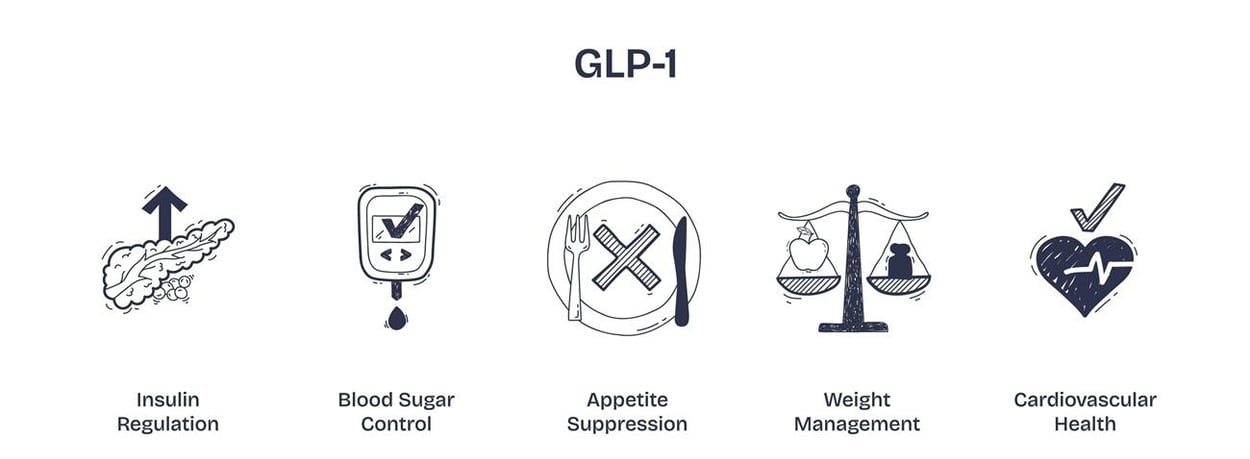
GLP-1 (glucagon-like peptide-1) receptor agonists are a class of medications originally developed to treat type 2 diabetes that have gained significant attention in recent years for their pronounced effect on body weight. They work by mimicking the action of the naturally occurring GLP-1 hormone, which is released by the gut after eating. This triggers insulin release, suppresses glucagon, slows gastric emptying, and – crucially to lose weight – acts on appetite centres in the brain to reduce hunger and increase the feeling of fullness.
The most widely used GLP-1 receptor agonists to lose weight currently include:
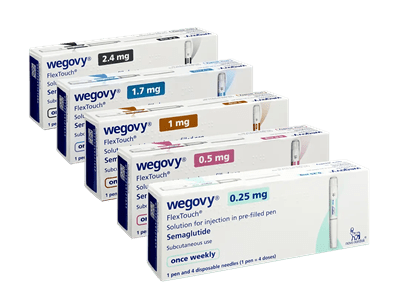
Semaglutide (Ozempic as a diabetes treatment, Wegovy specifically licensed for weight loss) is administered as a once-weekly subcutaneous injection and has demonstrated substantial weight reduction in clinical trials – averaging around 15% of body weight over 68 weeks in non-diabetic patients.
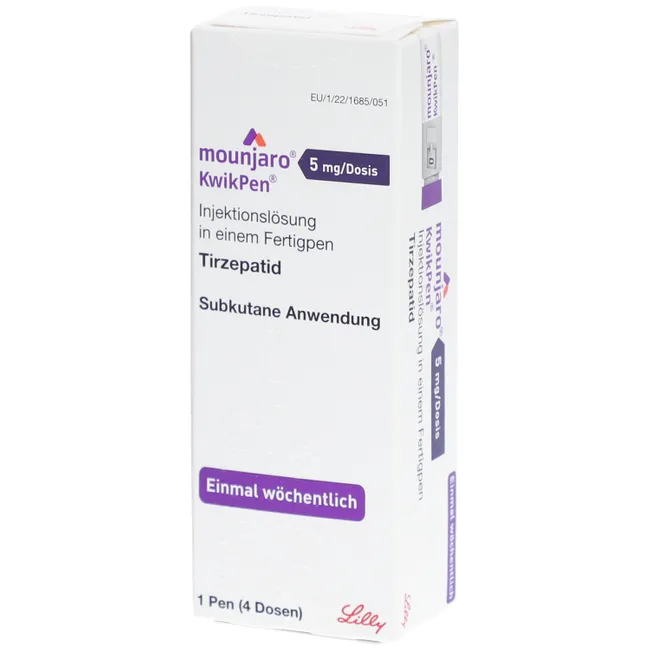
Tirzepatide (Mounjaro) is a dual GIP/GLP-1 receptor agonist, meaning it activates two complementary hormonal pathways simultaneously. Clinical trials have shown even greater weight loss than semaglutide alone, with some patients losing over 20% of their body weight.
Liraglutide (Saxenda) is an older once-daily injectable option that remains available but has been largely superseded by the more effective once-weekly alternatives.
Appetite suppressants (e.g. Mysimba)
These oral medications act on the central nervous system to reduce cravings and improve control over eating behaviour. They are particularly helpful for individuals who struggle with emotional eating or frequent snacking. By stabilising appetite signals, they make it easier to adhere to a calorie-controlled diet.
Fat absorption inhibitors (Orlistat)
Orlistat works differently by targeting digestion rather than appetite. It blocks the absorption of a portion of dietary fat in the intestines, reducing overall calorie intake. This can be an effective option for individuals who consume higher-fat diets, although it requires adherence to dietary guidelines to minimise side effects.
A combined, medically supervised approach to lose weight
The most effective weight loss outcomes are achieved through a combination of treatments rather than a single intervention. Weight loss injections or medications are typically paired with:
- Personalised dietary advice
- Increased physical activity
- Behavioural therapy to address habits and triggers
This multi-layered approach not only promotes initial weight loss but also improves long-term weight maintenance.
Important: Cosmetic “fat-dissolving” or lipolysis fat jabs are not genuine weight loss treatments. They are designed for small, localised fat reduction and do not contribute to overall body weight loss or metabolic health improvement.
How do weight loss injections work?
The GLP-1 receptor agonists used for modern weight loss injections regulate appetite and metabolism at a hormonal level.
Reducing hunger and controlling appetite
These drugs act on appetite centres in the brain to:
- Reduce hunger signals.
- Decrease cravings.
- Improve portion size control.
This has the beneficial effect of maintaining a calorie deficit needed to lose weight, without chronic hunger.
Slowing gastric emptying for prolonged satiety
Weight loss shots slow the rate at which food leaves the stomach, causing:
- Longer-lasting fullness after eating.
- Reduced snacking.
- Better control over calorie intake.
Dosing schedules and medical supervision for weight loss injections
All GLP-1 receptor agonists used to lose weight follow a gradual dose escalation schedule, starting low and increasing incrementally to minimise gastrointestinal side effects such as nausea and vomiting.
Semaglutide (Wegovy): Starting dose of 0.25 mg once weekly for four weeks, increasing every four weeks through 0.5 mg, 1 mg, and 1.7 mg, reaching the full maintenance dose of 2.4 mg once weekly at week seventeen.
Tirzepatide (Mounjaro): Starting dose of 2.5 mg once weekly for four weeks, increasing in 2.5 mg increments every four weeks as tolerated, up to a maximum of 15 mg once weekly. Not all patients need to reach the maximum – escalation is guided by individual response and tolerability.
Liraglutide (Saxenda): Starting dose of 0.6 mg daily, increasing by 0.6 mg each week until reaching the maintenance dose of 3 mg daily at week five.
To buy weight loss injections or begin treatment, a doctor must issue a prescription after reviewing your medical history.
It is vital that patients have regular medical follow-ups throughout their treatment. These are two-fold: firstly, to monitor progress and weight loss; and secondly, to ensure that any alterations to medication requirements, for example, in the case of antihypertensive or diabetes treatments, are identified and managed. Any prescribing service that does not include structured follow-up should be treated with caution.
Surgical options for severe obesity
Surgery may be considered when other interventions fail or when obesity poses a significant medical risk.
- Gastric bypass: reduces stomach size and reroutes digestion; expected 60–80% excess weight loss
- Sleeve gastrectomy: removes most of the stomach, reducing appetite-stimulating hormones; 50–70% excess weight loss
- Gastric band: less invasive, but also less effective; rarely used today
Surgery is never a standalone solution – long-term success depends on permanent healthy lifestyle settings. Maintaining a healthy weight post-surgery requires dedication.
Can I lose weight healthily without medication?
Yes, and these healthier alternatives apply whether or not you use weight loss medication:
Diet:
Calorie deficit of 500-750 kcal daily through nutrient-rich, whole foods. To lose weight sustainably, avoid extreme crash diets. Eating more slowly and paying attention to hunger and fullness cues are simple behavioural strategies that naturally support smaller portion size and reduce overall caloric intake without the psychological burden of strict dieting.
Exercise:
A combination of endurance (150-300 minutes per week) and strength training (2-3 times per week). Everyday activity also counts. Regular exercise plays a key role in helping to reduce belly fat and maintain a healthy weight.
Sleep:
Research consistently shows that sleep-deprived individuals consume more calories — particularly from high-fat and high-sugar foods – and are more likely to snack late at night when metabolic rate is lower. Poor sleep also impairs insulin sensitivity, which can promote fat storage and increase the risk of metabolic conditions over time. The recommended 7 to 9 hours of sleep per night for adults is not just a general health target – for anyone actively trying to lose weight, adequate sleep is a practical and underutilised tool that supports the effectiveness of dietary and lifestyle changes.
Drink enough:
Thirst is often confused with hunger. Drink water regularly – ideally before meals. The general recommendation is 1.5–2 litres of water per day, more in hot weather, when exercising, or when overweight.
Behavioural change:
Becoming aware of eating habits, identifying triggers, and establishing new routines to lose weight healthily. One of the most important lessons from long-term weight management research is that small changes are more sustainable than radical ones – the approach that you can stick to for years will always outperform the approach that produces faster results but cannot be kept up. Professional support can be crucial here.
Which weight loss remedies are available without a prescription?
Many over-the-counter weight loss products claim to help you reduce weight, burn fat fast, or provide the easiest way to lose weight — but very few offer meaningful results.
- Garcinia cambogia: Advertised as a fat burner, it is said to inhibit fat formation – but studies have produced conflicting results.
- CLA (conjugated linoleic acid): Supposedly promotes fat loss, but studies have shown only minor effects.
- Caffeine: Stimulates the metabolism in the short term, e.g. through coffee or green tea – has little noticeable effect on weight in the long term.
- Meal replacement shakes: They provide vitamins, protein and fibre in liquid form and can help control calories – e.g. at breakfast or dinner. Good for getting started or adding structure to your daily routine, as long as you don't replace all your meals.
- Protein powder: Useful for sports or protein deficiency – promotes muscle growth and satiety. While it is not a direct method to lose weight, it can be a helpful component of a broader, structured weight loss plan.
Combating emotional eating to lose weight
Emotional eating undermines even the best plans. Stress, loneliness or frustration can trigger overeating and sabotage progress. No diet or weight loss treatment can address emotional triggers alone – psychological support, CBT, mindfulness and medical guidance are often key to long-term success.
Why do some people lose weight more easily than others?
Whether someone stays slim or struggles with stubborn excess weight depends on various factors – many of which are biological:
- Genetics: Some people have genes that regulate appetite more strongly or make fat burning more efficient.
- Metabolism: A fast metabolism burns more calories at rest, making it easier to maintain weight.
- Muscle mass: More muscles mean higher energy consumption, even without exercise.
- Hormones: Disorders of insulin, leptin, or cortisol, for example, can affect hunger or fat storage.
- Sleep and stress: Lack of sleep and constant stress affect mental well-being, promote hormonal imbalances and cravings.
- Early habits: Those who were accustomed to a lot of sugar and fat as children often develop different eating habits.
In short: Some have it easier – but that doesn't mean it's impossible for others. With the right treatment plan – including fat loss treatment, structured support, and, when needed, slimming treatment – sustainable results are achievable for most people.
|
Frequently asked questions about weight loss management
Want to lose weight? Here are the most frequently asked questions and clear answers.
How many steps per day do I need to take to lose weight?
Around 7,000–8,000 steps per day can meaningfully support weight loss, especially alongside a calorie deficit.
How many calories can I consume to lose weight?
A deficit of 500–750 kcal per day supports safe, sustainable fat reduction of 0.5–1 kg per week.
Your individual calorie requirements depend on your gender, age, weight and activity level. Women need an average of 1,800-2,200 kcal per day, men 2,200-2,800 kcal per day. To lose weight, reduce this amount, but never below 1,200 kcal (women) or 1,500 kcal (men), as this could lead to nutrient deficiencies.
How quickly can I lose weight?
Healthy weight loss averages 0.5–1 kg per week. With weight loss injections, many people achieve 10–15% body-weight reduction over 12–16 months.
While you may lose weight in a week by reducing calorie intake and increasing activity, most of this early change is water loss rather than true fat reduction.
How much weight you can realistically lose depends on the treatment chosen, individual metabolism, dietary changes, and consistency in your weight loss efforts. And understanding this from the outset helps set expectations for weight loss goals that support long-term success.
Which foods can help you lose weight?
Foods with high nutrient density and high volume keep you feeling full for longer while being low in calories:
- vegetables (especially leafy vegetables, broccoli, peppers);
- protein-rich foods (lean meat, fish, legumes, low-fat quark);
- wholemeal products (oatmeal, wholemeal bread, quinoa);
- fruit with low sugar content (berries, apples, citrus fruits).
Healthy fats such as nuts, avocado and olive oil are also included in moderation.
Avoid highly processed foods, sugar and empty calories from soft drinks.
No foods ‘burn' fat – but the right ones help you stay in a calorie deficit.
Why can't I lose weight?
Common reasons include:
- overestimating calorie burn or underestimating intake (hidden calories in drinks, snacks, oils);
- slower metabolism from past diets;
- hormonal issues (hypothyroidism, PCOS, cortisol imbalance);
- lack of sleep (which disrupts hunger hormones);
- medications that promote weight gain.
You may also be gaining muscle, which doesn't immediately show on the scale, or have reached a temporary plateau – a normal phase after several weeks. A medical consultation can rule out underlying causes and guide the best strategy.
Do I need a prescription for weight loss medication?
Yes. All effective weight loss drugs in the UK – including GLP-1 injections – require a prescription and medical supervision. Weight loss treatments are not appropriate for everyone, and a history of eating disorders is one of the most important factors a prescriber must assess before recommending any pharmacological intervention.
Over-the-counter ‘weight loss products' are usually ineffective or unsafe. Trust in medically tested weight loss treatments with medical supervision.
Which doctors can help with weight loss?
GP (your doctor): Always start here. They can check your BMI, rule out medical causes, give advice, prescribe weight-loss medication, and refer you to specialists – all on the NHS.
NHS dietitian: Referred by your GP. Helps you build a healthy eating plan tailored to your needs.
Endocrinologist: A hormone specialist. Useful if your weight gain may be linked to a condition like an underactive thyroid or PCOS.
Bariatric surgeon: For weight-loss surgery (e.g. gastric bypass). Usually only considered after other options have been tried, and with a BMI of 40+.
Mental health support: A psychologist or therapist can help if emotional eating or low mood is a factor.