












What's included in the weight loss package?
When you receive your Mounjaro weight loss medication, your package contains everything you need for safe administration:
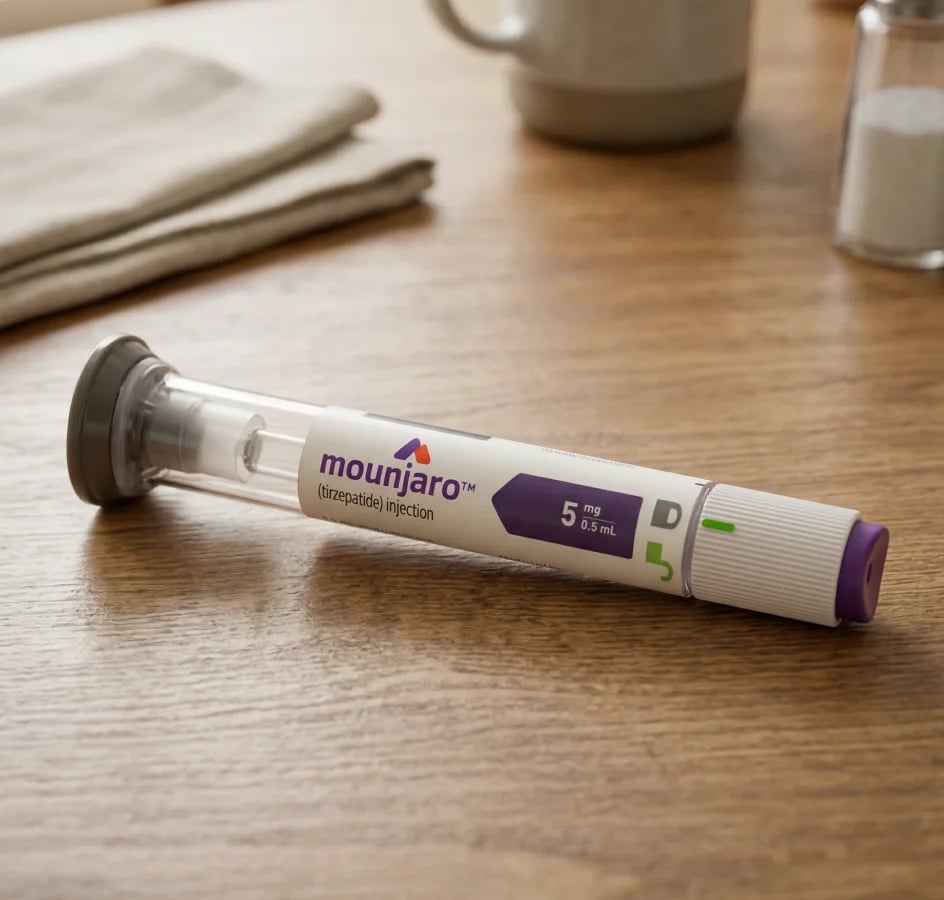
- Prefilled Mounjaro injection pen: Pre-loaded with the prescribed dose of tirzepatide, designed for single use
- Needles: Sterile, single-use pen needles compatible with the Mounjaro KwikPen (if not integrated into the device)
- Patient information leaflet: Comprehensive guide covering usage, dosing, side effects, and safety information
- User instructions: Step-by-step guidance on how to prepare and administer your injection for weight loss.
What is Mounjaro?
Mounjaro is an injectable prescription medication containing tirzepatide, a first-in-class dual glucose-dependent insulinotropic polypeptide (GIP) and glucagon-like peptide-1 (GLP-1) receptor agonist.
Originally developed for the treatment of type 2 diabetes, Mounjaro received regulatory approval from the MHRA in the UK for chronic weight management in adults with a BMI of 30 kg/m² or greater (obesity), or a BMI of 27 kg/m² to 30 kg/m² (overweight) in the presence of at least one weight-related comorbidity (e.g., hypertension, dyslipidaemia, or obstructive sleep apnoea).
Tirzepatide is the first medication to synergistically activate both GIP and GLP-1 pathways, distinguishing it from selective GLP-1 receptor agonists like semaglutide (Wegovy, Ozempic). This "twincretin" action of these weight loss injections produces superior effects on satiety, gastric emptying, and metabolic function.
Manufactured by Eli Lilly, Mounjaro is administered as a once-weekly subcutaneous injection, making it convenient for long-term weight control.
How Mounjaro works
The effectiveness of this weight loss medication comes from its unique dual mechanism targeting two complementary hormone pathways involved in appetite and metabolism.
GIP (Glucose-dependent Insulinotropic Polypeptide) receptor activation enhances insulin secretion when blood glucose is elevated, improves how your body stores energy, and may increase energy expenditure. GIP also influences fat metabolism and how the body distributes adipose tissue.
GLP-1 (Glucagon-like Peptide-1) receptor activation is the mechanism shared with medications like Wegovy and Ozempic. This pathway:
- Reduces appetite by acting on brain regions that control hunger and satiety, particularly the hypothalamus
- Slows gastric emptying so food remains in your stomach longer, prolonging feelings of fullness after meals
- Enhances insulin secretion in response to elevated blood glucose whilst suppressing glucagon (a hormone that raises blood sugar)
- Reduces food cravings and the rewarding feelings associated with eating, making it easier to resist high-calorie foods
When you combine GIP and GLP-1 receptor activation, you'll lose more weight than if you just take GLP-1 agonists. In trials, this combination led to an average weight reduction of 15-22% of the starting weight, which is a lot more than other medications that target one receptor. The dual mechanism of these weight loss injections also seems to help with metabolism, which includes blood sugar control, blood pressure, cholesterol levels, and inflammation linked to obesity.
Importantly, Mounjaro for weight loss works best when combined with healthy lifestyle changes. The medication can help you stick to a balanced diet by reducing hunger and cravings, but to get slim, you will need to commit to eating healthily and doing regular exercise.
Who can use Mounjaro weight loss injections?
Mounjaro is licensed in the UK for weight control in adults who meet specific clinical criteria:
Body Mass Index (BMI) requirements:
- BMI of 30 or above (classified as obese)
- BMI of 27 or above with at least one weight-related health condition, such as:
- Type 2 diabetes or prediabetes
- High blood pressure (hypertension)
- High cholesterol or dyslipidaemia
- Obstructive sleep apnoea
- Cardiovascular disease
- Non-alcoholic fatty liver disease (NAFLD)
- Polycystic ovary syndrome (PCOS)
Mounjaro weight loss injections are particularly good for people who have struggled to lose weight through dieting and exercise, or for people who have health problems related to their weight that would get better with a substantial weight loss.
Who should NOT take Mounjaro for weight loss?
Mounjaro weight loss medication is effective, but it is not everyone's solution.
|
Clinical Situation |
Implication for Mounjaro Use |
|---|---|
|
Allergy to tirzepatide or any component of the product |
Must not be used — absolute contraindication. |
|
Pregnant or planning pregnancy |
Not recommended. Treatment should be stopped immediately if pregnancy occurs. |
|
Breastfeeding |
Potential risk to the infant cannot be excluded; usually avoided unless advised otherwise by a clinician. |
|
Age under 18 years |
Mounjaro should not be given to people under 18 because it hasn't been studied in that age group. |
|
Personal or family history of medullary thyroid carcinoma (MTC) or Multiple Endocrine Neoplasia syndrome type 2 (MEN 2) |
Mounjaro is contraindicated as it may increase your risk of thyroid cancer. |
|
Type 1 diabetes |
There is a risk of severe hypoglycaemia (abnormally low blood sugar). |
|
Severe gastrointestinal disorders (including severe gastroparesis) |
Requires medical assessment; may not be appropriate. |
|
Persistent or severe abdominal pain (with or without vomiting) |
Discontinue and seek urgent medical attention - could indicate pancreatitis. |
|
Shortness of breath, or swelling of the lips, tongue or throat |
Emergency care required - possible serious allergic reaction. |
|
Concurrent use of insulin or sulfonylureas |
Increased risk of hypoglycaemia; dose adjustments and close monitoring may be necessary. |
|
Ongoing vomiting, diarrhoea, or dehydration |
May impair kidney function; contact a healthcare professional promptly. |
Conditions requiring careful medical assessment
Speak to your doctor before starting Mounjaro if you have:
- History of pancreatitis
- Diabetic retinopathy (eye problems from diabetes)
- Kidney disease
- Eating disorders (current or past)
- Depression or a history of suicidal thoughts
- Inflammatory bowel disease
- History of gallstones
- Oral Contraceptives: Due to delayed gastric emptying, the absorption of oral birth control may be compromised. Women should consider a barrier method for 4 weeks after starting and after each dose escalation.
Mounjaro dosage and administration
Mounjaro follows a gradual dose escalation schedule designed to minimise side effects whilst optimising the weight loss journey. The medication is administered as a once-weekly subcutaneous injection, always on the same day each week.
Standard dosing schedule
|
Week |
Dose of Mounjaro |
|
Weeks 1-4 |
2.5 mg: Starting dose of Mounjaro to allow the body to adjust |
|
Weeks 5-8 |
5 mg: First dose increase |
|
Weeks 9-12 |
7.5 mg: Second dose increase |
|
Weeks 13-16 |
10 mg: Third dose increase |
|
Weeks 17-20 |
12.5 mg: Fourth dose increase |
|
Week 21+ |
15 mg: Maximum maintenance dose of Mounjaro |
Not everyone progresses to the maximum dose. Your healthcare provider will determine the appropriate maintenance dose based on your weight loss progress, tolerability, and individual response. Many people achieve their healthy weight on lower maintenance doses (7.5-10 mg) and don't require escalation to 15 mg.
Key dosing principles
- The dose should be increased gradually every 4 weeks, but escalation can be delayed if you're experiencing side effects or need more time to adjust.
- Inject Mounjaro once weekly on the same day (e.g., every Monday) at any time of day, with or without food.
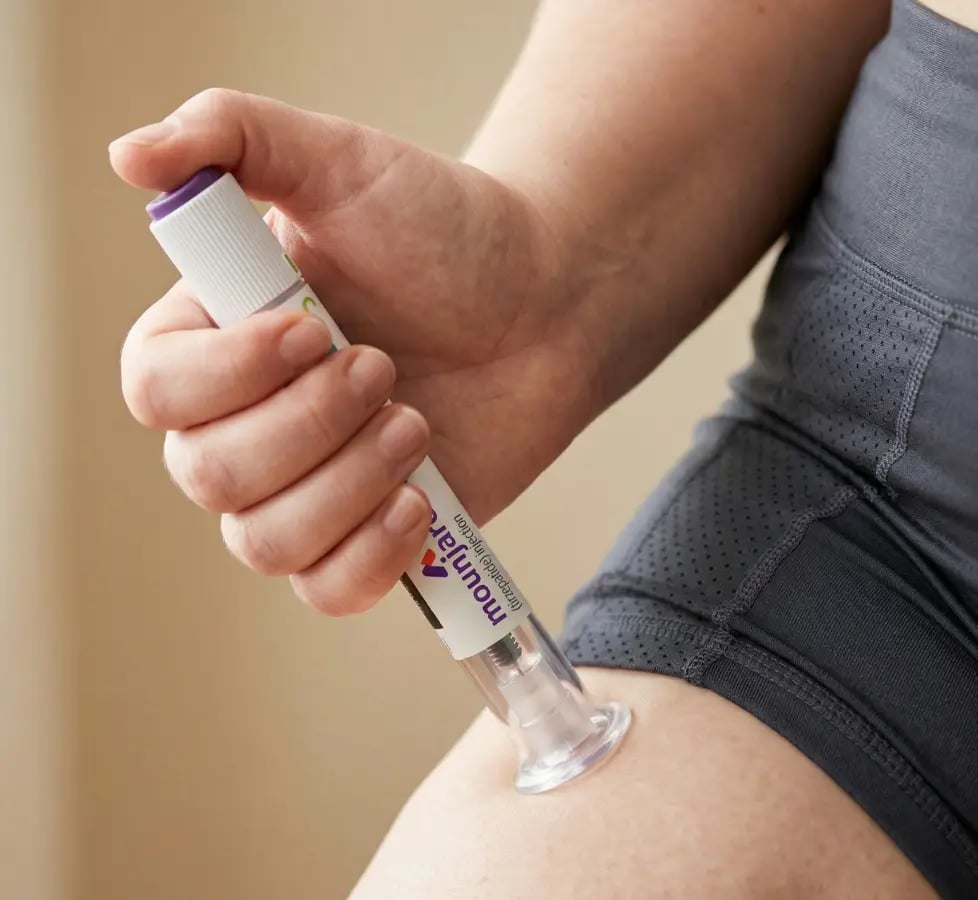
- You can inject into your abdomen, thigh, or upper arm - rotate injection sites weekly to prevent skin irritation. Never inject into areas with scars, bruises, or skin abnormalities.
What to do if a dose is missed
If you miss your weekly Mounjaro jab, the action you should take depends on timing:
If you remember within 4 days (96 hours) of the missed dose: Take the injection as soon as you remember, then continue with your regular scheduled dose.
If more than 4 days have passed: Skip the missed dose entirely and take your next dose on the regularly scheduled day. Do not take two doses to make up for the missed injection, as this increases the risk of side effects.
If you frequently miss doses or are unsure what to do, contact your prescribing clinician for guidance. Consistency is important for both effectiveness and tolerability—setting a weekly reminder on your phone can help establish a routine.
How long does typical treatment last?
Mounjaro is designed for long-term use as part of an ongoing weight loss journey. Clinical trials studied treatment for up to 72 weeks (about 18 months), with people continuing to shed pounds throughout this period before reaching a weight loss plateau.
Most people use Mounjaro for:
- A minimum of 6-12 months to achieve substantial weight loss and allow time for lifestyle changes to become established
- 12-18 months or longer for those with significant weight to lose or multiple health conditions that benefit from continued treatment
- Ongoing maintenance for some individuals who require long-term support to maintain weight loss and prevent regain
Your healthcare provider will regularly review your progress to assess whether continuing treatment remains appropriate. Treatment may be discontinued if you've achieved your weight goals and feel confident maintaining them through lifestyle measures alone, if side effects become intolerable, or if you're not achieving adequate weight loss (less than 5% after 3-6 months at therapeutic dose).
Many people find that stopping Mounjaro leads to gradual weight regain if lifestyle changes aren't maintained, which is why long-term treatment or transitioning to maintenance strategies is often recommended.
How to inject Mounjaro
Mounjaro comes in a prefilled, single-use injection pen that's designed for easy self-administration at home. Follow these steps for safe injection:
Before injecting:
- Wash your hands thoroughly with soap and water
- Check the injection pen: Verify it's the correct dose, check the expiration date, and inspect the solution (should be clear and colourless; don't use if cloudy, discoloured, or containing particles)
- Prepare supplies: Have your Mounjaro pen, a new sterile needle (if needed), alcohol wipe, and sharps container ready
- Choose your injection site: Abdomen (at least 5cm away from the belly button), front of thighs, or back of upper arms. Rotate sites weekly
Injection steps:
- Remove the pen cap and attach a new sterile needle by screwing it on firmly
- Clean the injection site with an alcohol wipe and allow it to dry
- Pinch a fold of skin at the injection site
- Hold the injection pen at a 90-degree angle to your skin and press the pen firmly against your skin
- Press and hold the injection button—you'll hear a click and see the dose counter move
- Keep the pen pressed against your skin for 5-10 seconds after the injection to ensure the full dose is delivered
- Remove the pen, release the skin fold, and gently press the injection site with a clean tissue if needed (don't rub)
- Dispose of the needle safely in a sharps container.
Important safety reminders
- Never share your Mounjaro pen with anyone else, even if the needle is changed—this can spread infections.
- Always use a new needle for each injection. Never reuse needles, as they become dull and increase pain and infection risk.
- Dispose of used pens and needles in an approved sharps container—never throw them in household rubbish.
How effective is Mounjaro?
Mounjaro has demonstrated exceptional weight loss results in clinical trials, making it one of the most effective obesity medications currently available.
Clinical trial outcomes
In the landmark trial [1], adults with obesity who took Mounjaro alongside lifestyle interventions achieved:
- Average weight loss of 15% of starting body weight at the 10 mg dose
- Average weight loss of 20-22% of initial body weight at the 15 mg dose
- More than half of the participants lost 20% or more of their starting weight at the highest dose
For context, someone starting at 100 kg (around 15 stone 10 lb) could lose approximately 15–22 kg (around 2 stone 5 lb to 3 stone 6 lb) over 18 months of treatment.
Timeline for results
Most people begin noticing weight loss within the first 4-8 weeks of treatment, though initial changes may be modest as your body adjusts to lower doses.
Weight loss typically accelerates between weeks 12-24 as doses increase and appetite suppression becomes more pronounced.
Maximum weight loss generally occurs between 52-72 weeks (12-18 months) of continuous treatment, after which weight tends to plateau.
Individual results vary considerably based on several factors:
- Adherence to healthy lifestyle changes is crucial: Mounjaro works best when you eat 500-750 fewer calories a day with a healthy diet and do 150+ minutes of moderate exercise every week.
- Starting weight influences outcomes; those with higher initial BMI often lose more absolute weight.
- Dose achieved matters, as higher tolerated doses generally produce greater weight loss.
- Individual metabolism and genetic factors affect how people respond to the medication.
- Concurrent health conditions like insulin resistance or metabolic syndrome may influence results.
Realistic expectations
Not everyone will achieve the average results seen in clinical trials. Some people are "super-responders" who exceed average weight reduction, whilst others may lose less despite good adherence. A loss of 5-10% of initial weight is still considered clinically meaningful in the context of healthy weight loss, improving metabolic health, reducing disease risk, and enhancing quality of life. Mounjaro is most effective when viewed as a tool that supports long-term lifestyle changes (involving a diet and exercise plan) rather than a quick fix.
Safety, side effects and warnings
Understanding potential risks and side effects helps you use the medication safely and know when to seek medical attention.
Mounjaro side effects
Common side effects (affecting more than 1 in 10 people):
The most frequently reported side effects are gastrointestinal and typically occur during the first few weeks of treatment or after dose increases:
- Nausea – Often the most troublesome initially, usually improves after 4-8 weeks
- Diarrhoea – Can range from mild to moderate
- Vomiting – Less common than nausea, but can occur
- Constipation – Affects some users, particularly as gastric emptying slows
- Abdominal pain or discomfort – Cramping or bloating
- Reduced appetite – This is the intended effect, but can be pronounced
- Indigestion and acid reflux – May worsen existing GERD
- Fatigue – Tiredness or low energy, especially initially
Less common side effects (affecting up to 1 in 10 people):
- Headache
- Dizziness
- Injection site reactions (redness, itching, swelling)
- Increased heart rate
- Hair loss (usually temporary)
- Gallstones
- Hypoglycaemia (low blood sugar, more common if taking other diabetes medications)
For a full list of possible side effects of Mounjaro, please refer to the patient information leaflet.
Contraindications and drug interactions
Mounjaro can interact with other medications, particularly:
- Insulin and Secretagogues: Mounjaro enhances glucose-dependent insulin secretion, so doses of insulin, sulphonylureas (e.g., gliclazide), or other glucose-lowering medications may require downward adjustment to prevent severe iatrogenic hypoglycaemia.
- Oral Medications and Contraceptives: Delayed gastric emptying may affect the rate and extent of absorption of oral medications, particularly those requiring rapid onset or with a narrow therapeutic index (such as antibiotics or levothyroxine). Specifically, Mounjaro can reduce the efficacy of oral contraceptives; therefore, women of childbearing age should use a non-oral or barrier method (such as condoms) for 4 weeks after starting treatment and for 4 weeks after each dose escalation to prevent unplanned pregnancy.
- Warfarin and Anticoagulants: Tirzepatide may affect prothrombin time and INR levels during the initiation and titration phases. More frequent monitoring is essential for patients on vitamin K antagonists.
Always inform your prescriber of all medications, supplements, and herbal products you're taking before starting Mounjaro.
Who should consult a clinician first?
Before starting Mounjaro to support weight loss, have a detailed discussion with your healthcare provider if you have any history of pancreatitis, inflammatory bowel disease, severe gastroparesis, eating disorders (past or present), kidney disease, diabetic eye disease, depression or suicidal thoughts, family history of thyroid cancer or MEN 2, or if you're planning a pregnancy within the next year.
Managing side effects
Most Mounjaro side effects are mild to moderate and improve significantly after the first 4-8 weeks as your body adjusts. These strategies can help minimise discomfort:
For nausea:
- Eat smaller, more frequent meals rather than large portions
- Choose bland, low-fat foods during the first few weeks
- Avoid lying down immediately after eating
- Stay well hydrated with small sips throughout the day
- Ginger tea or ginger supplements may provide natural relief
- Take the injection in the evening so peak side effects occur during sleep
- Speak to your doctor about anti-nausea medication if severe
For diarrhoea:
- Stay hydrated by drinking lots of water and electrolyte solutions.
- For a short time, avoid high-fat, spicy or very fibrous foods.
- Eat foods that are easy to digest, such as rice, bananas and toast.
- You can buy loperamide over the counter, but check with your pharmacist first.
For constipation:
- Increase water intake significantly (8-10 glasses daily)
- Add more fibre gradually through fruits, vegetables, and whole grains
- Regular physical activity helps stimulate bowel movements
- Consider a gentle fibre supplement or stool softener if needed
For injection site reactions:
- Rotate injection sites consistently
- Ensure the medication is at room temperature before injecting
- Apply a cold compress after injection if soreness develops
- Avoid injecting into the same spot repeatedly
General advice:
If side effects are severe or don't improve after 4-6 weeks, speak to your prescriber about delaying dose escalation or temporarily reducing your dose. Slower titration often improves tolerability without significantly impacting weight loss journey outcomes. You should never stop taking Mounjaro suddenly without talking to your doctor first. If you do need to stop, speak to your doctor about how to do it safely and effectively.
How to buy Mounjaro in the UK
Mounjaro is a prescription-only medication in the UK, meaning you cannot purchase it over the counter or without medical supervision. It's primarily available through private prescription services, as NHS provision for weight loss medications remains limited.
How to obtain Mounjaro legally
- Private online doctor services – To ensure safe use when buying medications for weight loss, complete a medical questionnaire and receive a prescription from a UK-registered doctor if appropriate
- Private GP or clinic – Book an appointment with a private doctor who can assess your suitability and issue a prescription
- Specialist weight management services – Some NHS or private specialist clinics may prescribe Mounjaro as part of structured programmes
What is the process of buying Mounjaro online?
- Complete an online medical consultation
- A UK-registered prescriber reviews your eligibility
- If approved, a private prescription is issued
- Medication is dispensed by a registered pharmacy
- Delivered discreetly to your home
Important warnings
Avoid purchasing weight loss treatments from unregulated websites or sources selling Mounjaro without a prescription. Counterfeit weight loss medications are increasingly common and may contain incorrect doses, no active ingredient, or dangerous substances. Using unverified sources bypasses essential medical oversight and puts your health at serious risk.
How much does Mounjaro cost in the UK?
Mounjaro is not routinely available on the NHS for weight loss in England (though this may change as NICE guidance evolves), meaning most people access it through private prescription, paying out-of-pocket.
Mounjaro price varies by provider and dose strength:
|
Dose |
Approximate monthly cost |
|
2.5 mg |
From £250 |
|
5 mg |
From £350 |
|
7.5 mg |
From £400 |
|
10 mg |
From £450 |
|
12.5 mg |
From £500 |
|
15 mg |
From £550 |
These Mounjaro prices typically include the medication itself, initial medical consultation, ongoing prescriber support and follow-up reviews, and delivery costs. Some providers offer subscription models where you pay a fixed monthly fee covering medication, consultations, and support.
Mounjaro alternatives
If Mounjaro isn't suitable, available, or affordable for you, several alternative treatments can support weight loss and metabolic health. The best option depends on your individual circumstances, health conditions, budget, and preferences.
Other effective weight loss treatments on prescription
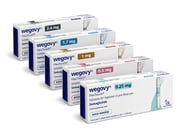
Wegovy (semaglutide)
Wegovy is a GLP-1 receptor agonist specifically approved for weight management, offering comparable results to Mounjaro. Wegovy pen is for people who want a proven, highly effective medication but may find Mounjaro fat loss injections too expensive. The main differences between semaglutide injection and Mounjaro are its single-receptor mechanism (GLP-1 only rather than dual GIP/GLP-1) and typically slightly less weight loss on average.
Saxenda (liraglutide)
Saxenda is an earlier GLP-1 receptor agonist administered as a daily injection rather than weekly, which some people find less convenient. It'll get you about 5-10% weight loss (which is less than Mounjaro or Wegovy), but it's still clinically significant. Saxenda may suit people who prefer daily dosing for more consistent appetite control, want a lower-cost option than weekly weight loss jabs, or have had success with liraglutide previously.
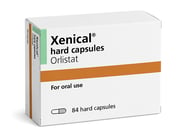
Orlistat (Xenical, Alli)
Orlistat is the only oral weight loss medication available in the UK, working by blocking fat absorption in the digestive system rather than affecting appetite hormones. It prevents approximately 30% of dietary fat from being absorbed, leading to modest weight loss of 5-7% when combined with a low-fat diet. Orlistat suits people who prefer weight loss pills to slimming injections, want a non-hormonal approach, or have contraindications to GLP-1/GIP medications. However, it causes significant gastrointestinal side effects (oily stools, urgency, flatulence) if you consume high-fat foods, and requires strict dietary fat restriction to minimise these Mounjaro effects and maximise results.
Combining approaches for a weight loss plan
Many people achieve best results by combining multiple strategies: using medication (Mounjaro, Wegovy, or alternatives) alongside structured dietary changes, regular exercise, and behavioural coaching leads to more significant %TBWL (Total Body Weight Loss) and better long-term weight maintenance. Even after stopping medication, maintaining the lifestyle habits developed during treatment is essential for long-term success.
Mounjaro should be viewed as a metabolic tool that facilitates adherence to a caloric deficit by modulating hunger and satiety signals. However, the lifestyle modifications established during the treatment phase - such as increased protein intake to preserve lean muscle mass and consistent resistance training - are essential to prevent weight regain (rebound effect) after the medication is discontinued.
There's no single "best" approach—the best weight loss treatment is the one you can adhere to consistently whilst achieving meaningful, sustainable results.
Comparing Mounjaro vs Ozempic vs Wegovy
Mounjaro, Wegovy, and Ozempic are all injectable medications used for weight control or diabetes treatment, but they have important differences.
Comparison table of weight loss treatments
|
Feature |
Mounjaro |
Wegovy |
Ozempic |
|
Active ingredient |
Tirzepatide |
Semaglutide |
Semaglutide |
|
Mechanism |
Dual GIP + GLP-1 agonist |
GLP-1 agonist only |
GLP-1 agonist only |
|
Approved for |
Weight management & type 2 diabetes |
Weight management only |
Type 2 diabetes (used off-label for weight loss) |
|
Dosing frequency |
Once weekly |
Once weekly |
Once weekly |
|
Starting dose |
2.5 mg |
0.25 mg |
0.25 mg or 0.5 mg |
|
Maximum dose |
15 mg |
2.4 mg |
2 mg (diabetes) |
|
Average weight loss |
15-22% of body weight |
15-17% of body weight |
10-15% of body weight |
Wegovy vs Mounjaro: Pros and cons
|
Mounjaro advantages |
Mounjaro disadvantages |
|
|
|
Wegovy advantages |
Wegovy disadvantages |
|
|
Switching from Mounjaro to other weight loss treatments
Some people may need or choose to switch between different weight loss medications due to cost, availability, side effects, or variable effectiveness. Here's what you should know:
Switching from Mounjaro to Wegovy and vice versa:
Because Mounjaro and semaglutide-based medications (Wegovy, Ozempic) work through overlapping mechanisms, switching is generally straightforward:
- Timing: It is advised to wait at least 7 days from your last injection before starting a new medication and to be sure any side effects, if experienced, are fully resolved.
- Dose equivalency: There's no exact dose conversion between tirzepatide and semaglutide. Your prescriber will typically start you on the standard initial dose of the new medication and titrate up according to its usual schedule, even if you were on a high Mounjaro dose
- Expect an adjustment period: Switching may temporarily affect appetite control or side effects as your body adjusts to the different medication and receptor profile

-
1. Jastreboff AM, Aronne LJ, Ahmad NN, et al. Tirzepatide Once Weekly for the Treatment of Obesity.N Engl J Med. 2022;387(3):205-216. doi:10.1056/NEJMoa2206038. https://www.nejm.org/doi/10.1056/NEJMoa2206038


