
Performance anxiety, hormones, drug use, mental illness, and more. There is a huge range of factors that can impact your ability to get and keep an erection. If you've ever experienced performance problems during sex, you're not alone — erectile dysfunction affects approximately 30% of men globally, with prevalence increasing with age [1].
Here are the details on what causes erectile problems in men, including physical, mental, and lifestyle triggers. Plus, how to tell if you need to see a doctor.
How do erections work?
To understand how to get an erection and what causes erectile dysfunction (ED) in men, we first need to understand how erections work. Erections occur when increased blood flow fills the erectile tissue (corpora cavernosa), causing it to expand and become firm.
Sexual arousal begins in the brain and involves a complex interaction between nerves, blood vessels and hormones. When you experience sexual stimulation or excitement, your brain sends messages to the penis via the spinal cord and nerves in the body, prompting the blood vessels in the penis to dilate and allowing blood to flow into the penis, leading to an erection [2].
There are 3 main types of erections [3]:
- Reflexogenic erections: This is the type of erection you probably think of when you imagine an erection. Reflexogenic erections happen when the genitals are touched, such as during sexual foreplay or masturbation, triggering a spinal reflex mediated by intact peripheral nerves.
- Psychogenic erections: Erections can occur in response to sexual fantasies, memories, or emotions. This type of erection happens without physically touching the genitals.
- Nocturnal erections: This type of erection can happen when you’re asleep. Nocturnal erections usually occur during deep rapid-eye-movement (REM) sleep and can continue after waking.
Erectile dysfunction is when a person can't get an erection or keep an erection firm enough to have sex, and there are a wide range of factors that can influence it.
Depending on the causes of erectile disorder, you might be able to get nocturnal erections but have problems with reflexogenic erections. This can give you clues about whether your erectile issues are physical or psychological.
Physical erectile dysfunction causes
A wide range of physical factors can lead to erectile problems in men. Here are some of the common physical problems that can impact someone’s ability to get and keep an erection [3]:
Blood flow and circulation problems
For an erection to occur, the arteries must dilate and allow increased blood flow into the erectile tissue (corpora cavernosa), while the veins compress to reduce venous outflow and maintain rigidity. When this vascular process is disrupted—either through reduced arterial inflow or excessive venous outflow—achieving or maintaining an erection becomes difficult or impossible. Blood flow to the penis can become blocked or reduced due to damage to blood vessels from factors including age, lifestyle choices, chronic illness, and cardiovascular risk factors. Even partial arterial blockage or endothelial dysfunction (damage to the inner lining of blood vessels) can significantly impact erectile function, as the penile arteries are much smaller than coronary arteries and often show signs of vascular disease earlier.
Some circulatory causes of erectile dysfunction include:
- Cardiovascular disease: Atherosclerosis (hardening and narrowing of the arteries due to plaque buildup), coronary artery disease, high blood pressure (hypertension), and high cholesterol all damage blood vessels throughout the body, including those supplying the penis. ED often serves as an early warning sign of cardiovascular disease, sometimes appearing 2-5 years before heart symptoms.
- Smoking: Smoking has a direct impact on vascular health, which is essential for erectile function. The chemicals in tobacco smoke injure the inner lining of the arteries, reducing their ability to widen properly, and accelerating the buildup of plaque, all of which restrict healthy blood flow. Over time, this contributes to atherosclerosis and decreased blood flow to the penis. Smokers are at substantially higher risk of developing impotence, often at a younger age than non-smokers
- Diabetes: Diabetes affects the blood vessels and nerves throughout the body, often being a cause of erectile dysfunction. Elevated blood sugar due to diabetes can damage the arteries, reduce nitric oxide activity, and cause vascular narrowing. Diabetes can also impair the nerves that trigger blood flow to the penis, increasing the risk of erectile problems.
- Obesity: While obesity hasn't been directly linked to ED, obesity places significant strain on the vascular system and is closely linked to impaired blood flow throughout the body, including to the penis. Excess body fat promotes inflammation, disrupts normal hormone balance, and contributes to chronic conditions such as high blood pressure, high cholesterol, and insulin resistance.
- Metabolic syndrome: Metabolic syndrome is a cluster of conditions - including high blood pressure, high blood sugar, excess abdominal fat, and abnormal cholesterol levels - that collectively impair vascular health. These conditions can damage the inner lining of blood vessels, promote inflammation, and reduce arterial function. Metabolic syndrome puts excessive strain on the circulatory system, significantly raising the risk of sexual disorders by limiting the quality of blood flow needed for healthy erectile function.
- Pelvic or perineal trauma: Suffering from pelvic or perineal trauma can disrupt the normal flow of blood that’s needed for an erection. Damage in this region may narrow or block the vessels responsible for supplying blood to the penis. In some cases, venous structures are also affected, making it difficult to retain blood in the penis and leading to persistent problems with achieving or maintaining an erection.
- Pelvic surgery or radiation therapy: Though not a common cause of erectile dysfunction, treatments targeting the pelvic region can disrupt the blood flow needed for normal erectile function. Pelvic surgery and radiation therapy may scar, narrow, or damage the arteries that supply the penis, particularly during procedures involving the prostate, bladder, or rectum. Over time, these changes limit the vessels’ ability to deliver consistent circulation and can contribute to difficulties with achieving or maintaining an erection.
Nerve damage and neurological conditions
If the nerves that send impulses to your penis become damaged due to an underlying condition or injury, this can cause problems with nerve signalling and blood regulation, leading to erectile dysfunction.
There is a range of neurological conditions that can cause erectile dysfunction, including:
- Stroke
- Parkinson’s disease
- Spinal cord injuries
Hormonal imbalances and low testosterone
Hormonal imbalances in the body can also impact sexual function in men. 3 key hormones influence erectile function in men:
- Testosterone: Testosterone is the primary male sex hormone (androgen) produced mainly in the testicles. It's essential for sexual desire (libido), maintaining erectile tissue health, and supporting the biochemical processes involved in erections. Low testosterone (hypogonadism), defined as levels below 300 ng/dL (10.4 nmol/L), can reduce sexual interest and make achieving erections more difficult. Low testosterone alone rarely causes complete inability to achieve erections, but more commonly reduces sexual desire and spontaneous erections. Causes of low testosterone include ageing (gradual decline after age 30-40), obesity, metabolic syndrome, type 2 diabetes, chronic illness, pituitary or testicular disorders, medications (particularly opioids and corticosteroids), sleep apnoea, and excessive alcohol consumption.
- Oestrogen: While often considered a "female hormone," men also produce small amounts of oestrogen, which is important for bone health, brain function, and cardiovascular health. Men need a proper balance between testosterone and oestrogen — the testosterone-to-oestrogen ratio is crucial. Elevated oestrogen levels in men (hyperestrogenism) can occur due to obesity (fat tissue converts testosterone to oestrogen through aromatisation), liver disease (which impairs oestrogen breakdown), certain medications, or rare hormone-producing tumours. High oestrogen can suppress testosterone production, reduce libido, cause erectile difficulties, and lead to other symptoms like gynaecomastia (breast tissue development), reduced muscle mass, and mood changes.
- Prolactin: Elevated prolactin levels (hyperprolactinemia) in men suppress the release of gonadotropin-releasing hormone (GnRH), which in turn reduces testosterone production and directly decreases libido. High prolactin can contribute to impotence, reduced sexual desire, infertility, gynaecomastia, and fatigue. Causes include pituitary tumours (prolactinomas), certain medications (particularly antipsychotics, some antidepressants, and opioids), hypothyroidism, chronic kidney disease, and stress.
Chronic illness and underlying health conditions
A wide range of chronic health conditions can also impact erectile function, leading to problems with getting and keeping an erection. Some of the most common chronic illnesses linked to ED are:
- Heart disease: Coronary artery disease, heart failure, and other cardiovascular conditions are strongly associated with ED because the same atherosclerotic process that blocks coronary arteries also affects the smaller penile arteries.
- High blood pressure (hypertension): Chronic hypertension damages blood vessel walls throughout the body, including those in the penis, leading to atherosclerosis and reduced arterial flexibility. This impairs the blood vessels' ability to dilate and deliver the increased blood flow necessary for erections.
- High cholesterol (hyperlipidaemia): Elevated cholesterol, particularly LDL ("bad" cholesterol) and triglycerides, promotes atherosclerosis—the buildup of fatty plaques in artery walls. This narrows blood vessels and restricts blood flow to the penis. High cholesterol also damages the endothelial cells lining blood vessels, impairing their ability to produce nitric oxide, a crucial chemical for the relaxation of penile smooth muscle needed for erections.
- Diabetes mellitus: Both type 1 and type 2 diabetes are among the strongest risk factors for ED, affecting 35-75% of diabetic men depending on disease duration and control. Diabetes causes impotence through multiple pathways: diabetic neuropathy (nerve damage) impairs the nerve signals necessary for erections, diabetic vasculopathy damages blood vessels and reduces penile blood flow, chronic inflammation affects endothelial function, and poor glycaemic control accelerates atherosclerosis. Men with poorly controlled diabetes often develop ED at younger ages and may find it more difficult to treat. Good diabetes management is essential for preserving erectile function.
Medications causing ED
A variety of commonly prescribed medications can interfere with erectile function by affecting blood flow, nerve signalling, or hormone balance. These medications are often essential for managing important health conditions, but they may have unintended effects on erectile function. Here are some medications that may be linked to ED:
- Antidepressants (SSRIs): Selective serotonin reuptake inhibitors are widely used to treat depression and anxiety, but many have sexual side effects. These medications can interfere with the nerve pathways involved in arousal and reduce libido, delay ejaculation, and make it more difficult to achieve or maintain an erection by altering serotonin levels that influence sexual response.
- Beta blockers: Often prescribed for heart disease and high blood pressure, beta blockers can reduce the force of blood flow to the penis by slowing the heart rate and lowering blood pressure. Some older beta blockers, in particular, are associated with erectile difficulties because they may decrease penile blood flow and reduce the nervous system signals involved in sexual arousal.
- Antihypertensives: Several classes of blood pressure medications, including certain diuretics and centrally acting agents, can contribute to erectile problems. These drugs may limit the pressure and volume of blood reaching the penile tissue or interfere with the vascular responses needed for an erection.
- Anti-androgens: Medications that suppress or block testosterone activity are used in conditions such as prostate cancer and severe prostate enlargement. Because testosterone plays a central role in libido and erectile physiology, reducing its effect can lead to decreased sexual desire and difficulty achieving erections.
- Prostate treatments: Drugs commonly used for benign prostatic hyperplasia, such as 5-alpha reductase inhibitors, may alter hormone levels and contribute to sexual side effects, including erectile disorder and reduced libido in some men.
- Opioids: Long-term opioid use can disrupt the body’s hormonal balance by suppressing testosterone production. In addition to reducing sexual desire, this hormonal effect can impair the ability to achieve and maintain erections over time.

Psychological causes of erectile dysfunction
ED can also be caused by psychological problems and mental health problems, including stress, anxiety, and depression. Psychological erectile dysfunction is particularly common in younger men (under 40) who are less likely to have developed the vascular or metabolic diseases that cause organic ED.
Here are some of the main psychological causes of ED in men [4].
Stress, anxiety and mental fatigue
In many cases, erectile difficulties are linked to wider emotional or psychological factors rather than physical problems — your sexual desire, libido, and performance can be influenced by what's going on in your life. If you're suffering from stress, anxiety, and mental fatigue, these can all play a role in your sex drive and your ability to get and maintain an erection long enough to have sex.
Conflict with a sexual partner can cause sexual symptoms, including ED, as well as stress associated with work, money, relationships, and more.
Chronic stress elevates cortisol and adrenaline levels, which suppress testosterone production, redirect blood flow away from sexual organs, and keep the body in a heightened alert state incompatible with sexual arousal. The mental preoccupation and physical exhaustion associated with stress leave little energy or mental space for intimacy. Even acute stress from a specific event can temporarily disrupt erectile function.
Performance anxiety and sexual confidence
Performance anxiety and low sexual confidence can destroy your ability to get and keep an erection, especially if you've had problems with erectile function in the past.
Performance anxiety is often a vicious cycle. Performance anxiety often begins after a single episode of erectile difficulty (which can happen to any man due to fatigue, stress, alcohol, or simply chance) and then becomes reinforced through repeated anxious experiences. This is especially common in new relationships, after a period of sexual inactivity, or following relationship problems. The anxiety activates the sympathetic nervous system (fight-or-flight response), which constricts blood vessels and inhibits the parasympathetic relaxation needed for erections.
Depression and emotional health
Depression is strongly linked to erectile disorder through multiple mechanisms. The condition reduces libido and sexual interest, depletes energy and motivation, alters neurotransmitter levels (particularly serotonin, dopamine, and norepinephrine) that regulate sexual arousal, and creates negative thought patterns and hopelessness that interfere with intimacy. The relationship between depression and erectile dysfunction (ED) is bidirectional: depression can cause ED, and experiencing ED can trigger or worsen depression, creating a vicious cycle. Additionally, antidepressant medications, particularly SSRIs, commonly cause or exacerbate erectile difficulties as a side effect, complicating treatment.
Other causes of psychogenic ED
Past sexual trauma or abuse can create deep-seated associations between sex and fear, pain, or violation, leading to erectile difficulties as a protective psychological response. Post-traumatic stress disorder (PTSD) related to sexual or non-sexual trauma can also manifest as sexual dysfunction. Trauma survivors may experience flashbacks, dissociation, or anxiety during intimate situations that prevent arousal.
Unrealistic expectations shaped by pornography, media portrayals of sex, comparing oneself to partners' previous sexual experiences, or believing in myths about male sexuality can create pressure that undermines performance. Pornography-induced erectile dysfunction (PIED) is increasingly recognised in younger men who have difficulty becoming aroused without the intense stimulation and novelty of pornographic content, although the scientific evidence remains limited and multifactorial. Expectations of "perfect" performance every time set men up for perceived failure and subsequent anxiety.
Premature ejaculation concerns can evolve into ED as men become so intensely focused on controlling or delaying ejaculation that they lose their erection. The mental effort and anxiety about ejaculating too quickly interfere with maintaining arousal.
Lifestyle factors that cause ED
You might not realise it, but lifestyle factors such as smoking, exercise, and diet can all influence your sexual health — and even lead to erectile dysfunction. Here are some of the most common lifestyle triggers associated with erectile issues:
Smoking, alcohol and drug use
- Smoking: Smoking cigarettes can contribute to erectile problems, especially for long-term smokers. Smoking impairs erectile function through several interconnected mechanisms: nicotine and other chemicals constrict blood vessels (vasoconstriction), reducing blood flow to the penis; chronic smoking damages the endothelial lining of arteries, impairing their ability to dilate properly; tobacco accelerates atherosclerosis (hardening and narrowing of arteries due to plaque buildup) throughout the cardiovascular system, including the small penile arteries; smoking impairs nitric oxide production, a crucial chemical that relaxes smooth muscle in the penis and allows blood to flow in; it causes chronic inflammation throughout the body that damages blood vessels and erectile tissue; and it may damage nerve function over time. [5].
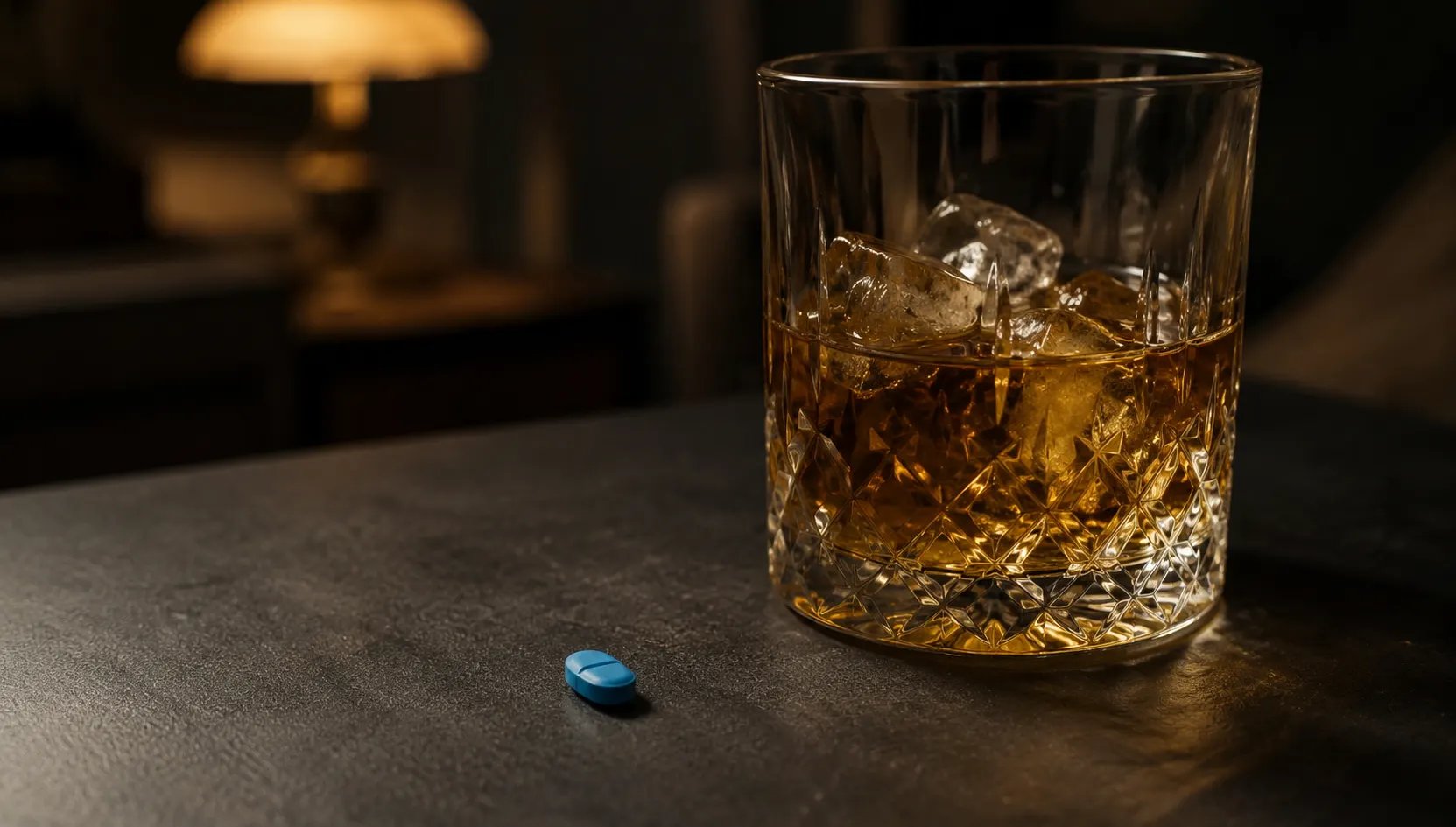
- Alcohol: The relationship between alcohol and erectile dysfunction is complex and dose-dependent. Moderate alcohol consumption (1-2 drinks occasionally) generally doesn't cause ED and may even have minor cardiovascular benefits in some populations. However, excessive acute alcohol intake impairs erectile function temporarily by depressing the central nervous system, interfering with the brain's ability to send arousal signals to the penis, reducing testosterone production acutely, increasing angiotensin (a hormone that constricts blood vessels), and causing dehydration. This is why "whiskey dick" or alcohol-induced temporary ED is common after heavy drinking sessions. Chronic heavy alcohol consumption (defined as more than 14 drinks per week) causes more serious and potentially permanent erectile problems. [6].
- Drug use: Illegal drug use has been linked to ED in men, despite some people using recreational drugs to enhance their sexual performance. Erectile issues are most commonly associated with heroin, amphetamine, and MDMA (Ecstasy) use [7].
Poor diet and lack of exercise
Lifestyle factors such as poor diet and lack of exercise are linked to male sexual dysfunction in individuals of all ages. There are several ways poor diet and lack of exercise can increase risk factors associated with erectile function, including [8]:
- Increased risk of obesity
- Poor blood flow
- Poor cardiovascular health
- Increased risk of diabetes
- Lower testosterone
Conversely, research shows that physical activity can improve erectile function. Increasing physical activity has been shown to increase testosterone in men, decrease stress and anxiety, strengthen endothelial function - a primary risk factor in erectile dysfunction - as well as improve your body image and sexual confidence [8].
Sleep problems and fatigue
Long-term sleep problems and fatigue are also risk factors for male impotence. Research shows that erectile issues were significantly higher in individuals with poor sleep quality than in people with good sleep quality.
A study of university students between 18 and 30 years found that half of the students (50.9%) had poor sleep quality, and among those students with poor sleep quality, 72.7% had mild erectile dysfunction and 20.6% had mild to moderate dysfunction [9].
What causes erectile dysfunction symptoms with age
One of the biggest factors in erectile dysfunction is age. The older you get, the more likely you are to have erectile issues, and what causes ED can change.
The prevalence of erectile problems increases with age, with older men experiencing significantly higher levels of erectile dysfunction. Research estimates ED prevalence at approximately 10–20% in men under 40, increasing progressively to over 50% in men aged 50–70 [4].
What causes erectile dysfunction in young men (in their 20s and early 30s)
While erectile dysfunction is less common for men in their 20s and 30s, mild erectile symptoms may affect a notable proportion of younger men. In this age group, erectile impairment is more likely to have a psychological or lifestyle-related component, although organic causes should not be overlooked.
Major causes of erectile dysfunction in 20s include [10]:
- Psychological factors, including anxiety, depression, relationship stress and performance anxiety
- Chronic medical conditions, such as diabetes, cardiovascular risk factors or endocrine disorders
- Medication-related causes, including antidepressants, antihypertensives or recreational use of prescription medicines
For young men with other erectile and sexual health issues, there are more risk factors at play, including:
- Tobacco use
- Illegal drug use
- Low physical activity
Causes of erectile dysfunction in 40s
Erectile dysfunction becomes more common in your late 30s and 40s. According to research, approximately 40% of men over 40 have some form of erectile dysfunction [4]. This may be due to a range of physical and psychological factors, including hormonal changes, lifestyle-related causes, and the increased risk of chronic conditions like cardiovascular disease and diabetes.
Causes of erectile dysfunction in 50s and older
Erectile dysfunction is significantly more prevalent in later life, especially for men in their 50s and older. Research estimates that 60% of men over 50 suffer from erectile dysfunction. The rate increases as you get older, rising to 90% for men over 70 [4].
Several factors can influence erectile dysfunction in older men, including lower testosterone levels and a higher prevalence of chronic illnesses such as heart disease and high blood pressure.

What causes sudden erectile dysfunction?
Sudden erectile dysfunction is the unexpected onset of erectile dysfunction or sexual problems.
Some of the top causes of sudden erectile dysfunction include [2, 3, 4]:
- Psychological stress and anxiety: Stress, such as relationship issues or financial worries, can cause sudden erectile dysfunction, even in young men.
- Performance anxiety: Sudden erectile dysfunction can be caused by performance anxiety, for example, anxiety with a new partner or relationship.
- Health conditions: A medical emergency, such as stroke or heart disease, can cause sudden erectile dysfunction, even if someone hasn't had problems with sexual function before.
- Substance use: Some men report erectile dysfunction as a result of substance use, such as tobacco use and illicit drug use.
- Physical trauma and injury: Injuries can cause sudden erectile dysfunction, such as spinal cord injuries and injuries to the pelvic area and genitals.
Common symptoms linked to erectile dysfunction causes
Erectile dysfunction symptoms can sometimes give clues about the underlying cause. In addition to difficulty getting or maintaining an erection firm enough for sex, you may notice:
Symptoms suggesting a physical (organic) cause
- Gradual onset of erection problems
- Reduced rigidity or difficulty maintaining erections
- Fewer or weaker morning (nocturnal) erections
- Reduced sensation in the genital area (possible nerve involvement)
- Symptoms of low testosterone, such as reduced libido, fatigue, or loss of muscle mass
Symptoms suggesting a psychological cause
- Sudden onset of erectile difficulties
- Erections present during masturbation or sleep, but not during partnered sex
- Anxiety about sexual performance
- Symptoms of depression, such as low mood, loss of interest or poor concentration
How to identify what’s causing your erectile dysfunction
Identifying the causes of erectile dysfunction is not always easy. If you're worried about erectile dysfunction symptoms, it's a good idea to see a GP or health professional to discuss your concerns. A health professional will be able to advise you on the potential causes and treatment of your symptoms.
While psychological factors can play a significant role, it is important not to assume ED is “just stress.” In younger men in particular, psychological causes such as performance anxiety, relationship stress or low mood are common, but physical causes should still be considered.
Life changes that may contribute to erectile difficulties include:
- Job loss or financial pressure
- Relationship conflict
- Starting a new relationship
- Family stress or major life transitions
For example, beginning a new relationship may trigger performance anxiety, especially if there is pressure to perform or concerns about body image or sexual experience. This can create a cycle of anxiety that interferes with the normal erectile response.
Because erectile dysfunction can sometimes be an early sign of underlying cardiovascular disease, persistent or worsening symptoms should not be ignored. Early medical advice allows appropriate investigation and, where necessary, timely treatment.
When to see a doctor about erectile dysfunction
Many men experience erectile problems at some point during their lives. If you're experiencing erectile dysfunction symptoms regularly and it’s worrying you or impacting your relationships and your ability to enjoy sex, it's a good idea to see a doctor to understand what’s causing erectile dysfunction.
A clinical assessment typically includes:
- A review of medical history, including cardiovascular risk factors such as high blood pressure, diabetes and high cholesterol
- A medication review, as some prescribed medicines can contribute to erectile difficulties
- Discussion of psychological well-being, including stress, anxiety and mood
- Assessment of lifestyle factors such as smoking, alcohol use, sleep and physical activity
- In some cases, blood tests to check testosterone levels, glucose control and lipid profile
Many factors can influence your ability to get or maintain an erection. If you're experiencing erectile dysfunction, it's important to talk to a health professional to discuss your symptoms. There is also a range of potential treatments for erectile dysfunction, including medications like Sildenafil, Viagra, and Tadalafil.
Can erectile dysfunction be prevented?
Preventing erectile dysfunction depends on the underlying causes of your erectile issues. For example, if the primary cause is lifestyle-related factors like tobacco use or illegal drug use, you can potentially prevent erectile problems by stopping substance use and following a healthy lifestyle with regular exercise.
If someone is experiencing erectile dysfunction as a result of an underlying physiological cause like nerve damage or chronic illness, it's much harder to prevent. In these cases, a health professional will usually recommend medication to treat erectile dysfunction.
Frequently asked questions
Here are some frequently asked questions about the causes of erectile dysfunction.
What is the most common cause of ED?
The most common cause of erectile dysfunction is reduced blood flow, often caused by underlying health conditions such as high blood pressure, heart disease, and diabetes.
Can stress alone cause erectile dysfunction?
Stress can cause erectile dysfunction, and it's a common factor in erectile issues, especially in younger men with no underlying health conditions or hormonal problems.
Does high blood pressure cause ED?
High blood pressure is a significant cause of erectile dysfunction as a result of damage to the blood vessels and reduced blood flow to the penis. Nearly 71% of men with high blood pressure experience erectile dysfunction [2].
Is ED reversible?
Erectile dysfunction may be reversible in some men, especially if it's caused by lifestyle factors such as poor sleep quality or psychological factors like stress, anxiety, and depression. Research shows that stopping smoking can reverse problems with erectile function [5]. However, it's not reversible in some men, especially people with underlying health conditions such as individuals with nerve damage or damage to the vessels that supply blood to the penis.
Can young men get erectile dysfunction?
While erectile dysfunction is more common in men over 40, young men can also experience erectile dysfunction. As many as 30% of young men have erectile issues, and many young men will experience erectile dysfunction at some point in their lives [10]. If you're concerned about your symptoms, talk to a health professional for advice.
Conclusion
Erectile dysfunction is a common condition affecting men worldwide. While it can be embarrassing, nerve-wracking, and sometimes scary, there are plenty of treatments available that can allow you to have a normal, healthy sex life.
If you're worried about erectile dysfunction, talk to a health professional to discuss your symptoms and help you understand the causes of erectile dysfunction, as well as the treatment options that are best for you.
Sources
-
Gerbild H, Larsen CM, Graugaard C, Areskoug Josefsson K. Physical Activity to Improve Erectile Function: A Systematic Review of Intervention Studies. Sexual Medicine. 2018;6(2):75-89.
doi: https://doi.org/10.1016/j.esxm.2018.02.001. https://academic.oup.com/smoa/article/6/2/75/6956424 -
Argiolas A, Argiolas F, Giacomo Argiolas, Maria Rosaria Melis. Erectile Dysfunction: Treatments, Advances and New Therapeutic Strategies. Brain Sciences. 2023;13(5):802-802.
doi: https://doi.org/10.3390/brainsci13050802. https://www.mdpi.com/2076-3425/13/5/802 -
Dean RC, Lue TF. Physiology of Penile Erection and Pathophysiology of Erectile Dysfunction. Urologic Clinics of North America. 2005;32(4):379-395. doi: https://doi.org/10.1016/j.ucl.2005.08.007. https://pmc.ncbi.nlm.nih.gov/articles/PMC1351051/
-
Allen MS, Wood AM, Sheffield D. The Psychology of Erectile Dysfunction. Current Directions in Psychological Science. 2023;32(6). doi: https://doi.org/10.1177/09637214231192269. https://journals.sagepub.com/doi/full/10.1177/09637214231192269
-
Allen MS, Tostes RC. Cigarette smoking and erectile dysfunction: an updated review with a focus on pathophysiology, e-cigarettes, and smoking cessation. Sexual Medicine Reviews. 2023;11(1):61-73. doi:10.1093/sxmrev/qeac007. https://academic.oup.com/smr/article/11/1/61/6985842
-
Lee ACK, Ho LM, Yip AWC, Fan S, Lam TH. The effect of alcohol drinking on erectile dysfunction in Chinese men. International Journal of Impotence Research. 2010;22(4):272-278. https://www.nature.com/articles/ijir201015
-
Bang-Ping J. Sexual Dysfunction in Men Who Abuse Illicit Drugs: A Preliminary Report. The Journal of Sexual Medicine. 2009;6(4):1072-1080. https://www.sciencedirect.com/science/article/abs/pii/S1743609515324656
-
Allen MS. Physical activity as an adjunct treatment for erectile dysfunction. Nature Reviews Urology. 2019;16(9):553-562. https://www.nature.com/articles/s41585-019-0210-6
-
Gutierrez-Velarde P, Valladares-Garrido MJ, Peralta CI, Vera-Ponce VJ, Grandez-Urbina JA. Poor sleep quality and erectile dysfunction in students from a Peruvian University: A cross-sectional study. Frontiers in Public Health. 2023;11:932718. https://www.frontiersin.org/journals/public-health/articles/10.3389/fpubh.2023.932718/full
-
Mialon A, Berchtold A, Michaud PA, Gmel G, Suris JC. Sexual Dysfunctions Among Young Men: Prevalence and Associated Factors. Journal of Adolescent Health. 2012;51(1):25-31. https://www.sciencedirect.com/science/article/abs/pii/S1054139X12000195