











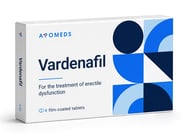

What is Levitra?
Levitra belongs to the class of drugs called PDE-5 inhibitors. The active ingredient in Levitra is vardenafil. It inhibits the enzyme phosphodiesterase-5, which preserves more cGMP. This relaxes the blood vessels in the penis, increasing blood flow. Sexual stimulation facilitates an erection.
Key facts about Levitra
|
Active ingredient in Levitra |
Vardenafil |
|
How long does Levitra take to start working? |
Around 25–30 minutes |
|
How long does Levitra last? |
Approximately 4–6 hours |
|
Effect precondition |
Works only with sexual stimulation |
|
Social feature |
Compared with some other ED medicines, vardenafil is highly selective, which may reduce the likelihood of visual side effects. |
How does Levitra work?
Levitra (vardenafil) is a prescription medicine for erectile dysfunction (ED). The main characteristic of this condition is the inability to achieve or maintain an erection. The active ingredient of Levitra is vardenafil. It is a drug belonging to a class known as phosphodiesterase type 5 (PDE5) inhibitors.
How does an erection happen? Answering this question helps us understand how Levitra works in erectile dysfunction. When sexual stimulation is present, a chemical called nitric oxide is released in the penile tissue. This activates an enzyme that increases levels of cyclic guanosine monophosphate (cGMP). CGMP is a molecule that relaxes smooth muscle cells and dilates blood vessels in the penis, increasing blood flow, leading to an erection [1].
Since PDE5 is the enzyme responsible for breaking down cGMP, its early action prevents sufficient blood flow into the penis. This is what happens in men with erectile dysfunction. Levitra inhibits PDE5 and preserves cGMP levels, enhancing the natural erectile response to sexual stimulation.
Importantly, this process only works in the presence of sexual stimulation. Levitra does not trigger an erection independently — it amplifies the body's natural response to arousal rather than replacing it.
Vardenafil is structurally similar to sildenafil but is considered more selective for PDE5, which is why effective results in treating erectile dysfunction can often be achieved at lower doses in some men. It typically takes effect within 30 to 60 minutes of taking a tablet and remains active for approximately four to five hours.
Levitra dosage in erectile dysfunction treatment
For the treatment of erectile dysfunction, Levitra tablets are available in 5 mg, 10 mg and 20 mg strengths.
- Recommended starting dose: 10 mg
- Maximum dose: 20 mg once per day
- Do not take more than one Levitra tablet within 24 hours
Along with film-coated tablets, the orodispersible formulation (Levitra orodispersible tablets) is also available as a 10 mg tablet that dissolves on the tongue without the need for water.
Levitra is taken on an on-demand basis only — unlike tadalafil, there is no daily low-dose regimen available for erectile dysfunction treatment with vardenafil. Men with severe liver impairment, those taking strong CYP3A4 inhibitors such as certain HIV medications, or those on nitrates should not take Levitra at all, and dose adjustments may be necessary in older men or those with specific health conditions. A prescriber should always determine the appropriate dose based on individual health status and concurrent medications.
Effectiveness of Levitra in clinical studies
Clinical studies on Vardenafil tablets show that the likelihood of achieving and maintaining an erection improves with repeated use. Higher success rates were observed across all tested doses, with particularly strong outcomes at 10 mg. [5]
|
Dosage |
Successful penetration (1st attempt) |
≥1 successful penetration (by 3rd attempt) |
Maintenance of erection (1st attempt) |
Maintenance of erection (by 3rd attempt) |
|---|---|---|---|---|
|
5 mg |
67% |
82% |
51% |
66% |
|
10 mg |
77% |
88% |
69% |
81% |
|
20 mg |
74% |
85% |
61% |
77% |
Key insights:
- Effectiveness increases with repeated attempts, highlighting the importance of continued use.
- The 10 mg dose showed the highest overall success rates in both penetration and maintenance.
- Even lower doses (5 mg) demonstrated meaningful improvement, offering flexibility depending on patient needs and tolerability.
How should Levitra be taken to achieve the best effect?
Important:
- Always take Levitra tablets in the prescribed dosage.
- Swallow the Levitra tablet with water.
- Take only once within 24 hours.
- Only effective with sexual arousal.
- If you miss a dose, do not take a double dose – continue as usual the next day.
- As with all PDE5 inhibitors, if the first attempt is disappointing, it is worth trying again under better conditions before concluding the medication is ineffective.
Timing
Levitra tablet should be taken approximately 25 to 60 minutes before sexual intercourse, though some men notice effects sooner. Unlike tadalafil, it does not offer a prolonged window of action, so timing is more relevant — taking it too far in advance of sexual activity may mean the peak effect has passed.
Taking the Levitra tablet with food, alcohol and drinks
Meals: Very fatty foods delay the onset of action and weaken the effect. Levitra should be taken on an empty stomach or after a light meal.
Grapefruit and grapefruit juice should be avoided while taking Levitra. This is because the compounds in grapefruit can inhibit the CYP3A4 enzyme that breaks down vardenafil in the body. This can cause the levels of the drug in the blood to become too high. As a result, the likelihood and severity of side effects can increase.
Drinking alcohol: Excessive consumption impairs erectile function and increases the side effects of Levitra, such as dizziness. Only moderate alcohol consumption is safe.
What side effects of Levitra should be considered?
Levitra (vardenafil) is considered to be well-tolerated, but like all PDE-5 inhibitors used to treat erectile dysfunction, it can cause side effects. These are usually mild and temporary.
|
Frequency |
Levitra side effects |
|
Very common (≥ 1/10) |
Headache |
|
Common (≥ 1/100 to < 1/10) |
Flushing, blocked or runny nose, dizziness, indigestion, nausea |
|
Uncommon (≥ 1/1,000 to < 1/100) |
Fatigue, dry mouth, increased heart rate, back pain, muscle or limb pain, blurred vision, sensitivity to light, skin redness or itching |
|
Rare (≥ 1/10,000 to < 1/1,000) |
Fainting, chest pain, severe drop in blood pressure, allergic reactions (e.g. skin rash, swelling), prolonged erections (priapism) |
Note:
This list does not cover all possible side effects of Levitra. If you experience persistent or severe symptoms, you should consult a doctor immediately – especially if you experience chest pain, visual disturbances or an erection that lasts longer than 4 hours. Very rarely, PDE-5 inhibitors have been associated with sudden hearing loss. Seek medical attention if you develop sudden hearing problems.
Who should not take Levitra?
Levitra (vardenafil) may not be suitable if you:
- are allergic to vardenafil or any other ingredients;
- are taking nitrate medications such as glycerol trinitrate or nitric oxide donors, e.g. amyl nitrite. This combination can have a significant effect on blood pressure;
- are taking ritonavir or indinavir, medications for HIV;
- are over 75 and taking ketoconazole or itraconazole (for fungal infections);
- have severe heart/liver problems;
- require dialysis;
- have had a recent stroke or heart attack;
- have persistently low blood pressure;
- have hereditary (with a family history) degenerative eye diseases such as retinitis pigmentosa;
- have vision loss due to poor blood flow to the optic nerve, known as NAION;
- are taking riociguat to treat pulmonary hypertension. Levitra may increase its effect.
Men on kidney dialysis should exercise caution with Levitra, as impaired renal function can affect how the drug is processed by the body, potentially leading to higher drug levels and an increased risk of side effects.
Men with sickle cell disease or other haematological conditions associated with increased priapism risk should use Levitra with caution, as vardenafil's vasodilatory effects can further elevate this risk.
Men with a physical condition affecting the structure of the penis — such as Peyronie's disease — should consult their doctor before taking Levitra, as underlying anatomical abnormalities may influence both the suitability and effectiveness of treatment.
Always discuss your full medical history with a doctor before deciding to buy Levitra.
Where and how to buy Levitra in the UK
Prescription requirement:
It is illegal to buy Levitra without a prescription. Levitra is available only through medical counselling. Offers for ‘order Levitra online without prescription’ or ‘Levitra over the counter’ are illegal and dangerous.
Where to buy Levitra:
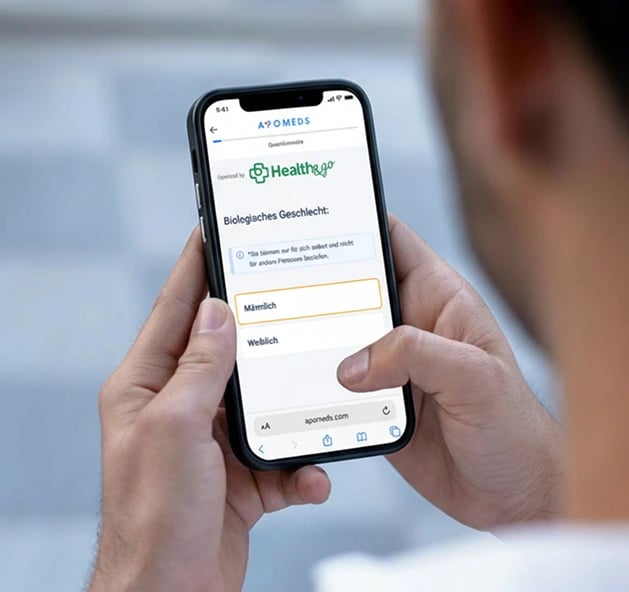
With a prescription, Levitra can be purchased in traditional pharmacies, or you can buy online through healthcare platforms (with a private prescription). You can buy Levitra online after completing a medical questionnaire. If suitable, a prescription will be issued and the erectile dysfunction medication will be delivered discreetly.
Levitra price:
The approximate price of Levitra 10mg is about £11 per tablet, and Levitra 20mg costs around £16 per tablet. The best price for Levitra is often achieved by purchasing larger packs. When you buy vardenafil online, you can benefit from bulk purchases and discounts.
Insurance coverage:
In the UK, the cost of prescription medication Levitra is not usually covered by the NHS, as erectile dysfunction treatments are generally considered to improve quality of life rather than treat a life-threatening condition. Some private health insurance providers may consider reimbursement on a case-by-case basis, depending on the policy terms and whether a clear medical indication is documented.
Alternative:
Generic vardenafil is 40-60% cheaper with the same effect as the branded medication Levitra.
Why buy Levitra from Apomeds?
Apomeds is a convenient and reliable online provider of erectile dysfunction medication. These include Levitra and its generic equivalents. Since discretion and accessibility are key considerations for most ED patients, online platforms like Apomeds are a perfect fit.
Convenience is one of the primary advantages promoted by Apomeds. Patients can order an erectile dysfunction medication online without the need for in-person pharmacy visits. This is appealing for those who value privacy, but it is also more convenient. The platform offers a streamlined process, from selection to delivery. This saves time and reduces potential discomfort associated with discussing erectile dysfunction and sexual health in a more traditional setting.
Apomeds emphasises product quality and safety, sourcing medications from licensed manufacturers. Discreet packaging and delivery are often highlighted as additional benefits. This way, patients can receive their medication privately. A further enhancement in value may come from bulk purchasing options and promotions.
What is the difference between Levitra and Vardenafil?
Levitra is a brand name, and vardenafil is the active ingredient of the medication. The distinction is technical, and the two names of ED medications are in interchangeable use.
That means every product labelled as Levitra contains vardenafil. However, not all vardenafil products are named (labelled) Levitra. This is a result of the original patent expiration. Nowadays, other manufacturers are legally allowed to produce generic versions of the medication with the same active compound (vardenafil).
However, from a pharmacological perspective, there is no difference between Levitra and vardenafil in terms of how they work in the body. At the same dosage, all vardenafil-based drugs produced according to regulatory standards deliver the same:
- Mechanism of action
- Efficacy profile
- Safety considerations
There can be certain differences, however. These primarily lie in branding, price, and sometimes formulation (such as film-coated tablets versus orally disintegrating tablets). Other differences include packaging, appearance, and cost, but these do not affect the core therapeutic effect.
Is generic Levitra as effective?
Generic Levitra contains the same active ingredient, vardenafil. It is generally considered just as effective as the branded version. Given it is manufactured by reputable pharmaceutical companies and approved by regulatory authorities.
All generic medications must gain approval by demonstrating bioequivalence to the original branded drug. Meaning, they must deliver the same amount of active ingredient into the bloodstream within a similar timeframe. As a result, patients can expect comparable efficacy, onset of action, and duration.
Practical clinical evidence shows that most patients do not experience any meaningful difference between generic and branded Levitra. However, minor variations may exist. This is mainly due to inactive ingredients (excipients) affecting factors like tablet dissolution or tolerability in sensitive individuals.
Cost, however, is a key advantage for generic drugs. Levitra is not an exception. With significantly lower expenses associated with brand development and marketing, generic drugs are typically more affordable. This also makes ED treatment more accessible.
Overall, for the majority of users, generic Levitra gives the same value for less money.
Levitra interactions with other medicines
Levitra can interact with other drugs (like most medications), and these interactions can be clinically significant.
The most critical interaction is with nitrates [r22]. These are drugs commonly prescribed for chest pain (angina). Combining Levitra with nitrates can lead to a dangerous drop in blood pressure, potentially resulting in dizziness, fainting, or even life-threatening complications. That is why Levitra is strictly contraindicated in patients taking nitrate medications.
Alpha-blockers are used to treat high blood pressure or prostate enlargement. These drugs can also cause low blood pressure when taken together with Levitra. However, doctors may allow combined use in some patients, but only with careful dose adjustment and monitoring.
Levitra may also interact with certain antifungal medications, such as ketoconazole, antibiotics (like erythromycin), and HIV protease inhibitors [3]. These drugs can affect the metabolism of vardenafil in the liver and increase its concentration in the bloodstream, raising the risk of side effects.
Vardenafil may also influence cardiac electrical activity [4]. Therefore, medications that affect heart rhythm and prolong the QT interval should be used with caution or avoided in combination with Levitra.
Levitra experience (real reviews)
Many users report good results with Levitra – both in terms of effectiveness and tolerability.
|
Some men choose Levitra specifically after experiencing side effects with sildenafil.
Levitra alternatives
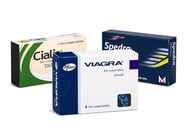
Other agents for effective treatment of erectile dysfunction are:
- Viagra (sildenafil) – effective for 4-6 hours, more generics available
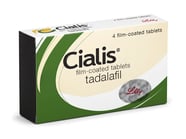
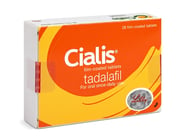
- Cialis (tadalafil) – effective for up to 36 hours, long-term therapy also possible
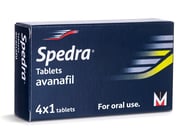
- Spedra (avanafil) – takes effect after about 15 minutes
- Vardenafil generics – identical effect to Levitra, 40-60% cheaper
Levitra is characterized by its rapid onset of action (25-30 minutes) and high selectivity.
Levitra vs Viagra
Both are equally effective (70-80% success rate).
Advantages of Levitra: Faster onset of action (25-30 minutes vs. 30-60 minutes), higher selectivity (fewer visual disturbances), often better tolerated.
Viagra advantages: More generics available (cheaper), longer on the market (more experience), better-known brand.
Choice: Levitra for side effects with Viagra or if you want a faster onset of action. Viagra if price is a factor.
Levitra vs Cialis
- Levitra: shorter duration, faster onset
- Cialis: lasts up to 36 hours, slower onset
- Choice depends on preference, tolerance and lifestyle
Storage
- Store Levitra tablets at room temperature (not above 30°C)
- Store in the original packaging
- Protect from light and moisture
- Store out of the reach of children
- Do not use after the expiry date

-
[1] MacDonald, S. M., & Burnett, A. L. (2021). Physiology of Erection and Pathophysiology of Erectile Dysfunction. The Urologic clinics of North America, 48(4), 513–525. https://doi.org/10.1016/j.ucl.2021.06.009
[2] Nunes, A. P., Seeger, J. D., Stewart, A., Gupta, A., & McGraw, T. (2021). Cardiovascular Outcome Risks in Patients With Erectile Dysfunction Co-Prescribed a Phosphodiesterase Type 5 Inhibitor (PDE5i) and a Nitrate: A Retrospective Observational Study Using Electronic Health Record Data in the United States. The journal of sexual medicine, 18(9), 1511–1523. https://doi.org/10.1016/j.jsxm.2021.06.010
[3] Hamzehnejadi, M., Ranjbar Tavakoli, M., Abiri, A., Ghasempour, A., Langarizadeh, M. A., & Forootanfar, H. (2022). A Review on Phosphodiesterase-5 Inhibitors as a Topical Therapy for Erectile Dysfunction. Sexual medicine reviews, 10(3), 376–391. https://doi.org/10.1016/j.sxmr.2022.02.002
[4] Song, T., Hui, W., Huang, M., Guo, Y., Yu, M., Yang, X., Liu, Y., & Chen, X. (2024). Dynamic Changes in Ion Channels during Myocardial Infarction and Therapeutic Challenges. International journal of molecular sciences, 25(12), 6467. https://doi.org/10.3390/ijms25126467
[5] Hellstrom, W.J.G., Elhilali, M., Homering, M., Taylor, T. and Gittleman, M. (2005), Vardenafil in Patients With Erectile Dysfunction: Achieving Treatment Optimization. Journal of Andrology, 26: 604-609. https://doi.org/10.2164/jandrol.05026


