





 Including FREE delivery
















What is erectile dysfunction?
Erectile dysfunction (ED) refers to the persistent inability to maintain or get an erection firm enough for satisfactory sexual intercourse. Erectile dysfunction often results from reduced blood supply to the erectile tissue, preventing the penis from becoming fully rigid during sexual arousal.
Erectile dysfunction requiring treatment is usually defined as problems that occur in more than two-thirds of attempts over a period of at least six months.
ED is one of the most common sexual dysfunctions in men. The likelihood of impotence increases with age – it affects around 5–10% of men under 40, about half of men between 40 and 70, and up to 80% of men over 80.
Erection difficulties affect more than just sex; they can also impact mental health, confidence, and overall quality of life.
What are the symptoms of erectile dysfunction?
Typical ED symptoms that serve as diagnostic criteria are:
- Difficulty getting an erection despite feeling sexually aroused
- Weak erections that are not sufficient for penetrative sex
- Inability to maintain an erection during sexual intercourse
- Reduced sexual desire (in some men)
Occasional problems with erection are normal and not usually a cause for concern. However, persistent signs of erectile dysfunction can sometimes be an early warning of underlying health conditions such as cardiovascular disease, diabetes, high blood pressure, hormonal imbalance or early atherosclerosis.
Men with erectile dysfunction may also experience premature ejaculation, particularly when anxiety or reduced erection quality affects ejaculatory control.
If you regularly notice problems with getting an erection or are losing your erection more often, it’s sensible to speak to a doctor to sort out or diagnose erectile dysfunction.
What are the causes of erectile dysfunction?
The causes of ED can broadly be divided into physical and psychological factors.
Physical causes of ED often include the following underlying health issues and risk factors:
- Cardiovascular and circulatory disorders – Conditions such as heart disease/coronary artery disease or atherosclerosis can narrow or stiffen the blood vessels, reducing blood flow to the penis. Erectile dysfunction is sometimes an early warning sign of cardiovascular disease.
- Diabetes mellitus – Both type 1 and type 2 diabetes can damage blood vessels and nerves (diabetic neuropathy), significantly increasing the risk of erectile difficulties.
- High blood pressure (hypertension) – Long-standing or poorly controlled hypertension can damage the lining of blood vessels, affecting the ability to achieve and maintain an erection. Some antihypertensive medicines may also contribute.
- High cholesterol levels – Elevated cholesterol can lead to plaque build-up in the arteries, restricting circulation and contributing to erectile dysfunction.
- Hormonal disorders (e.g. low testosterone) – Testosterone plays a key role in libido and erectile function. Low levels (hypogonadism), thyroid disorders, or raised prolactin can all impair sexual function.
- Side effects of certain prescription medicines – Some antidepressants, antipsychotics, blood pressure medications, recreational drugs, opioid painkillers, radiation therapy and treatments for prostate conditions may affect erectile function as a recognised side effect.
Psychological reasons for erectile dysfunction may point to such mental health issues as:
- Stress and work-related pressure
- Anxiety or depression
- Relationship conflicts or lack of communication
- Performance anxiety and fear of “failing” in bed
Premature ejaculation is also among the risk factors, as the repeated episodes of uncontrolled early ejaculation may cause anxiety, embarrassment or reduced sexual confidence. Over time, this psychological stress can interfere with arousal and erection quality, increasing the risk of impotence.
In many men, both physical and psychological causes of ED play a role. Identifying the main reasons for erectile challenges helps your doctor to recommend the most suitable ED treatment.
How to treat erectile dysfunction?
While there is no single universal “erectile dysfunction cure” that works for everyone, many underlying causes can be successfully treated or managed.
Modern medical treatments offer high success rates, and many men can restore or significantly improve their erectile function fully.
The impotence treatment options include:
1. ED medication
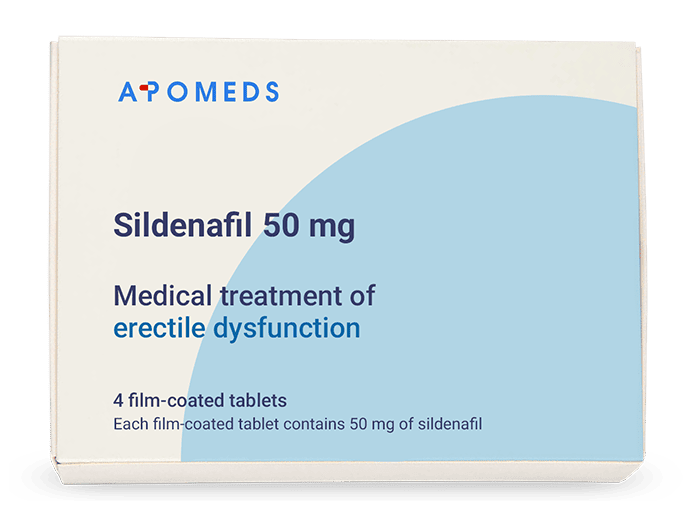
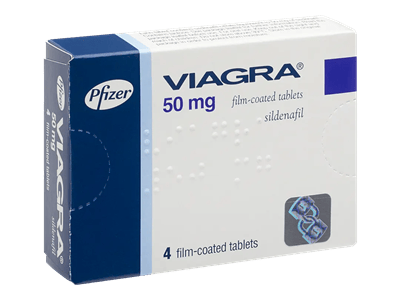
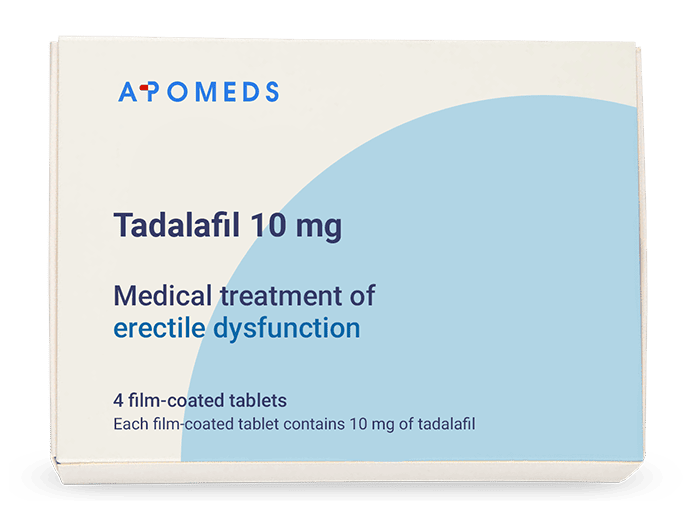
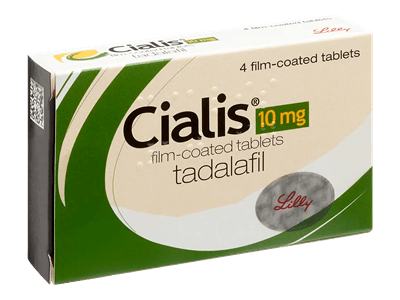
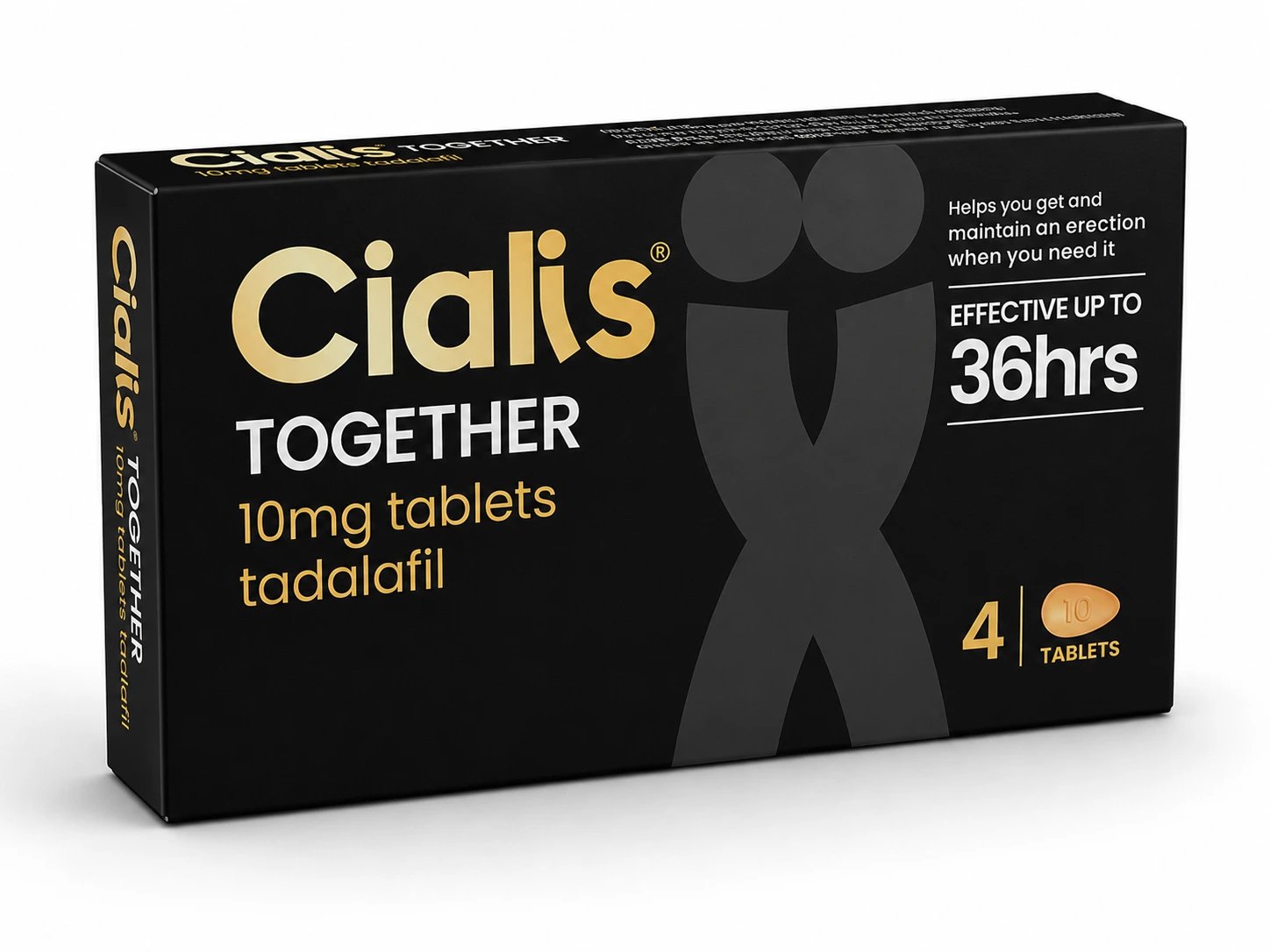
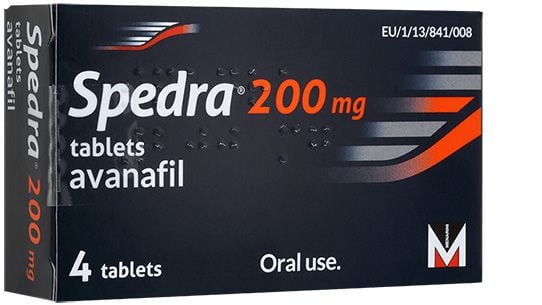
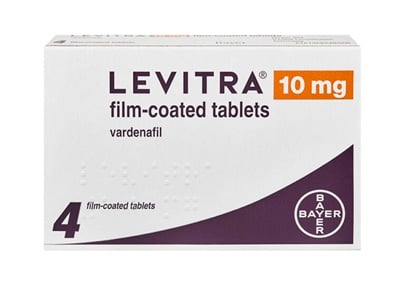
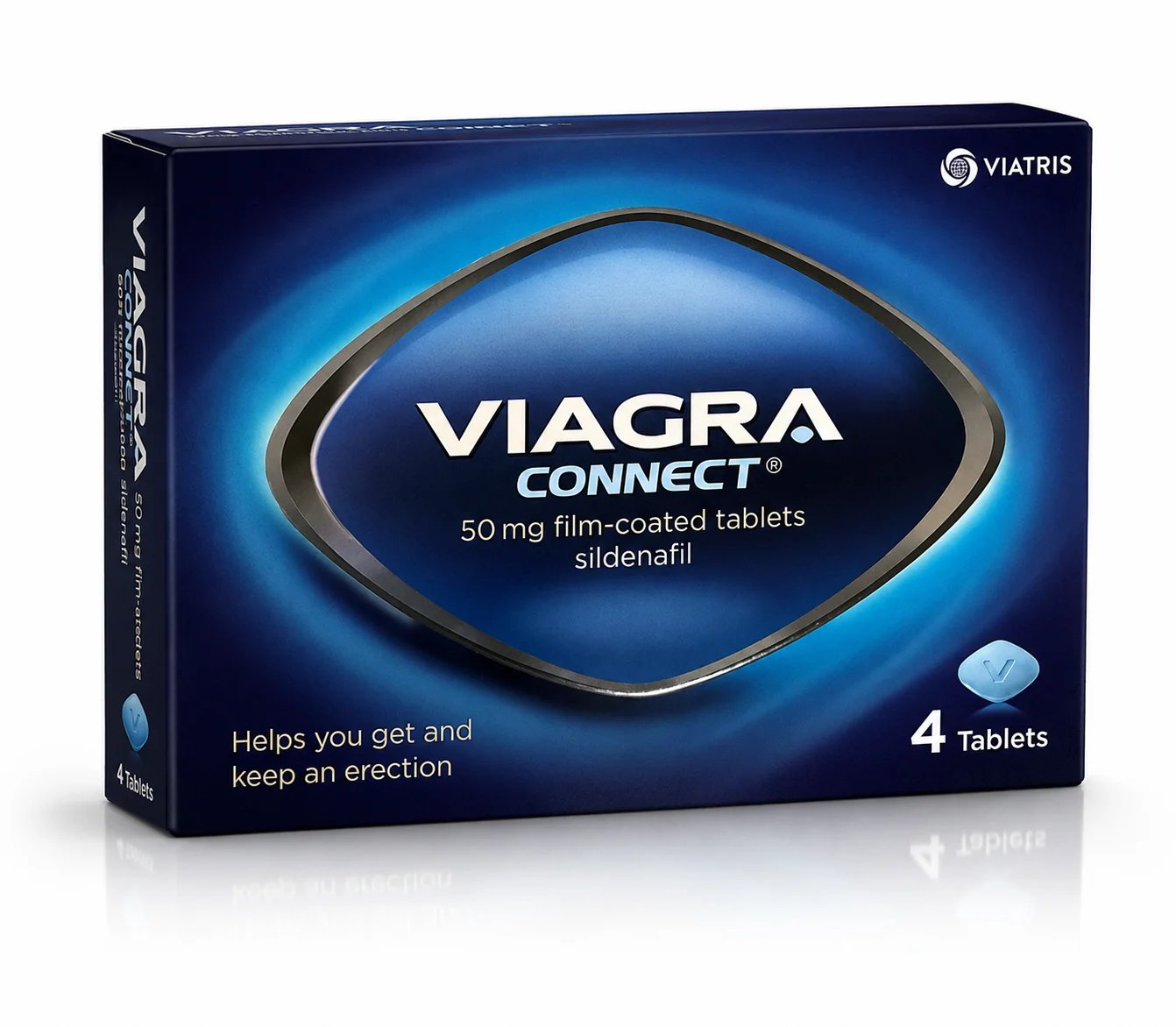
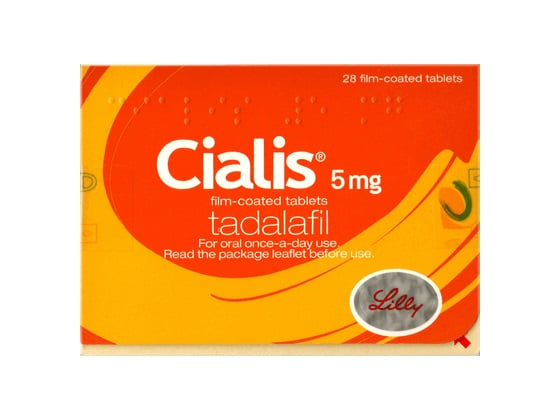
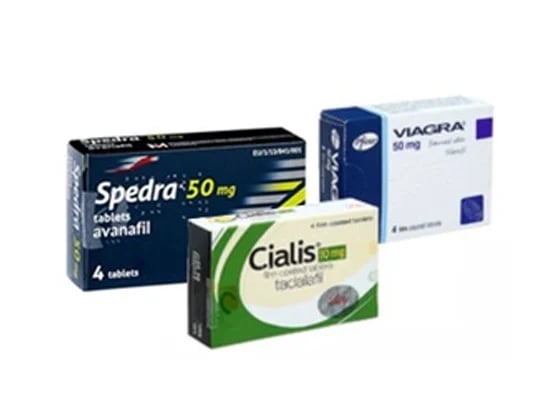
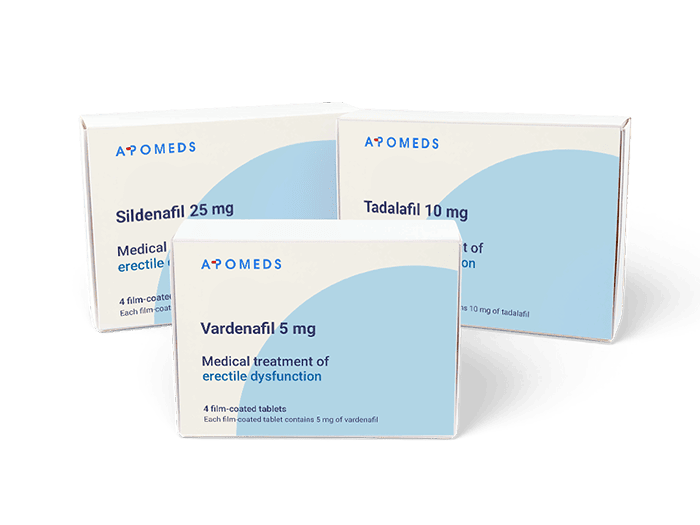
PDE-5 inhibitors such as Viagra (sildenafil), Cialis (tadalafil) or Levitra (vardenafil) are first-line erectile dysfunction medicines. Choosing the right Viagra dosage, Cialis dosage or Levitra dosage is an important part of achieving the best treatment outcome. These prescription ED tablets increase blood flow to the penis during sexual stimulation, helping men to achieve and maintain an erection. Clinical trials show that PDE5 inhibitors, including sildenafil and tadalafil, achieve success rates of approximately 70-85% in men with ED, making them the most effective and widely recommended first-line treatment available. It goes without saying that the success rate largely depends on Viagra being used correctly.
Depending on the product and your needs, these erectile dysfunction drugs can be taken as:
- “On-demand” treatment for erectile dysfunction (before planned sexual activity)
- Daily low-dose ED treatment for more spontaneous sex
2. Psychotherapy / counselling
Clinical trials evidence that psychotherapy in ED, particularly cognitive behavioural therapy (CBT) and sex therapy, can be highly effective for treating psychogenic erectile dysfunction, with success rates of 50-75% in men where psychological factors are the primary cause, and combining psychotherapy with PDE5 inhibitors often produces superior outcomes compared to medication alone.
3. Lifestyle changes
Simple changes can have a big impact on erectile dysfunction symptoms:
- Weight management
- Regular physical activity
- A balanced, heart-healthy diet
- Avoidance of drinking too much alcohol
- Stopping smoking or vaping
These steps improve circulation and vascular health and can reduce the risk as well as prevent erectile dysfunction.
4. Hormonal ED therapy
If blood tests confirm low testosterone (hypogonadism) or another measurable hormonal imbalance, erectile dysfunction treatment with hormonal therapy may be considered. In men with clinically diagnosed testosterone deficiency, testosterone replacement therapy (TRT) can improve libido, energy levels, mood, and — in some cases — erectile function, especially when ED is related to reduced sexual desire rather than vascular causes.
TRT is available as injections, gels, patches or long-acting implants and must be prescribed and monitored by a specialist.
5. Devices and injections
Vacuum erection devices (pumps) and penile injections are non-surgical erectile dysfunction treatments that mechanically or medically trigger an erection when ED tablets are unsuitable or ineffective. They are usually prescribed and demonstrated by a specialist.
6. Penile prosthesis (surgery)
In severe cases where all other ED therapy options have failed, a penile implant may be considered. This is a permanent surgical solution that can provide reliable erectile function but is only used as a last resort.
Can I improve my erection without ED tablets?
Yes. Many cases of mild to moderate impotence can improve with targeted lifestyle changes, especially when blood flow, weight, or stress are contributing factors. The following measures have the strongest evidence:
1. Improve fitness
Aerobic exercise (brisk walking, cycling, swimming) 3–5 times per week improves blood vessel function and can significantly enhance erection quality. Pelvic floor muscles play a crucial role in erectile function by helping to trap blood in the penis during erection, and strengthening these muscles through regular Kegel exercises can significantly improve erectile rigidity and duration in many men with ED.
2. Maintain a healthy weight
Excess body fat can lower testosterone levels and reduce circulation. Losing 5–10% of body weight can meaningfully improve erectile function in overweight men.
3. Eat a heart-healthy diet
A Mediterranean-style diet rich in vegetables, whole grains, fish, nuts, and olive oil supports vascular health and reduces the risk of ED symptoms.
4. Reduce alcohol and quit smoking/vaping
Alcohol depresses erectile response, and nicotine (including vaping) damages blood vessels. Reducing intake improves both short- and long-term erectile quality.
5. Manage stress and sleep
Stress hormones (cortisol, adrenaline) interfere with arousal, causing erection problems. Good sleep hygiene and stress-reducing practices (meditation, breathing exercises, therapy) can improve libido and erection reliability.
6. Review medications
Some medicines — certain antidepressants, blood pressure tablets, and prostate treatments — may contribute to ED. Never stop medication on your own, but speak to your doctor about alternatives if you suspect an effect.
Talk to your partner
After the first time it didn’t work, neither of you spoke about it. Now you avoid intimacy because it might “lead to that” again.
Your sexual partner may interpret your withdrawal as lack of interest. You may feel like you’re letting them down. Both of you are struggling, but nobody is talking.
Erection issues can often be treated – but the emotional distance they create can be harder to repair. A single honest conversation can achieve more than months of tension and silence. If erection problems are affecting your relationship, consider:
- Talking openly with your sexual partner about what’s happening
- Speaking to your GP or a sexual health specialist
- Exploring medical ED treatment and/or counselling together
- Don’t wait until the silence becomes overwhelming.
|
Frequently asked questions about erectile dysfunction
Sexual problems are common and often treatable, but many men still have questions about what causes them, and which treatments are most effective. Below, you’ll find clear, medically accurate answers to some of the most frequently asked questions about ED, based on current clinical guidance in the UK.
Can vaping cause erectile dysfunction?
Yes. Vaping can reduce blood vessel function and lower nitric oxide levels, both of which are essential for erections. Research shows that vaping may increase the risk of impotence, especially with long-term or heavy use.
Can stress cause erectile dysfunction?
Yes. Stress triggers higher levels of cortisol and adrenaline, which can interfere with sexual arousal, reduce blood flow and disrupt the brain-body connection needed for an erection.
Your nervous system is in “survival mode”, not relaxation mode. The more pressure you put on yourself, the more this vicious circle can worsen.
One of the advantages of prescription erectile dysfunction medication is that it can reduce performance pressure, helping to break the cycle between stress and erection difficulties while you work on the underlying causes or other mental health issues with lifestyle changes or therapy.
Can a swollen prostate cause erectile dysfunction?
Yes. An enlarged prostate (BPH) and related treatments can affect nerves and blood flow involved in erections, making ED more likely. If you have urinary symptoms and erection difficulties, see your GP for an assessment.
Is ED reversible?
Often, yes. Erectile problems caused by stress, lifestyle factors, certain medicines or hormonal imbalance can improve with appropriate treatment and lifestyle changes. Even longer-term or chronic ED can often be managed effectively with a combination of ED treatments.
However, if symptoms occur frequently or are getting worse, it’s important to consult a doctor to rule out more permanent causes of ED and to discuss the best treatment in your situation.
Do blood thinners help with impotence?
No. Blood-thinning medicines (anticoagulants) do not improve erections and do not treat ED. They are prescribed to prevent blood clots but do not increase blood flow to the erectile tissue in the way that ED treatments such as PDE-5 inhibitors do.
Never start or stop prescription medicines without medical advice. If you take blood thinners and also need ED treatment, your doctor can advise you on safe options.
Can over-the-counter products help treat erectile dysfunction?
Many over-the-counter products claim to treat impotence and magically improve your sex life, but their effectiveness is rarely backed by solid scientific evidence. There is no single cure for ED, but many men can restore or significantly improve erectile function through:
- Medically approved ED tablets and other erectile dysfunction treatments
- Lifestyle changes (e.g. stopping smoking, losing weight)
- Treating underlying health conditions such as high blood pressure or diabetes
Most effective erectile dysfunction medicine is prescription-only to ensure safety and efficacy. Always seek professional advice before using any ED treatment, especially if you have other health conditions or take regular medicines.
Can other medications cause impotence?
Yes, certain medications – such as blood pressure medications, antidepressants, or medications for prostate problems – can impair erectile function.
However, never stop taking medications on your own; instead, talk to your doctor about possible alternatives.
When should I consult a doctor for ED?
If symptoms persist for three months or if erectile problems start suddenly, consult a GP. However, you don't need to wait three months if the problem is causing significant distress, affecting your relationship, or impacting your quality of life — seeking help earlier is perfectly appropriate. Additionally, the sooner you address ED, the more treatment options (including prescription drugs, vacuum erection device, surgical treatment and other therapies) are available and the better the outcomes tend to be.
Are erection pills addictive?
No. ED tablets are not physically addictive, though some men rely on them psychologically.
You can stop taking the medication at any time without withdrawal symptoms. However, some men develop a psychological habituation — they feel insecure without the "safety" of the erectile dysfunction medication. This is not a true addiction. If you are unsure, talk to your doctor about the causes of your erection problems and possible long-term solutions.
Are ED tablets harmful to the heart?
Generally safe for most men — but dangerous with nitrates or some heart conditions. Always check with a doctor.
The active ingredient (e.g. sildenafil) primarily affects arteries and veins in the genital area, and may slightly lower blood pressure.
Caution is advised if certain heart medications, such as nitrates, are taken at the same time, as this can lead to a life-threatening drop in blood pressure.
Therefore, always consult your doctor before taking sexual enhancers to determine whether they are suitable for your individual health condition, especially if you have existing heart disease.
Can erectile dysfunction affect fertility?
ED does not usually affect sperm production or sperm quality. However, it can affect fertility indirectly through impaired sex life if a man is unable to achieve or maintain an erection sufficient for vaginal intercourse, making it difficult to conceive naturally.
If erectile difficulties are ongoing and you are trying for a baby, it’s advisable to speak to a GP or fertility specialist. They can do a physical exam to assess both erectile function and overall reproductive health, including hormone levels and semen quality, to identify any contributing factors.


