

Why can Finasteride cause side effects?
Many men taking the 1 mg dose for male pattern hair loss do not experience unwanted effects, but some involve sexual function, mood, fertility or breast tissue. The main concerns are reduced sex drive, sexual performance problems and ejaculation changes; serious reactions are much less common. This article explains what to watch for, how long symptoms may last, and when to seek medical advice. It is for men considering or already using it for hair loss. [1, 2, 3]
Finasteride is a 5 alpha reductase inhibitor. It blocks type II 5 alpha reductase, the enzyme that converts testosterone to dihydrotestosterone (DHT). In men with androgenetic alopecia, DHT contributes to miniaturisation of susceptible hair follicles, which shortens the growth phase and leads to thinning hair.
As the process continues, thinning hair can progress to visible male pattern baldness. By lowering scalp and blood DHT, the medication can protect hair follicles, support hair growth and slow further hair loss. Healthy hair follicles can then remain in the growth phase for longer. It does not work by simply lowering testosterone levels; the main pharmacological effect is reducing conversion of testosterone to DHT. [1, 4]
The licensed 1 mg dose is used for male pattern hair loss, while the 5 mg medication is used for benign prostatic hyperplasia, where it can shrink an enlarged prostate. These are different indications and doses. Young men may start noticing male pattern hair changes in their twenties, but the medication is not licensed for children or adolescents under 18. [1, 5]
If you are considering Finasteride online, take the medication exactly as prescribed. Taking more than 1 mg a day does not improve efficacy for hair loss, and lowering the dose yourself is not an established way to prevent potential side effects. [1, 4]
Common side effects of Finasteride
The most familiar unwanted effects involve sexual function. In controlled studies of the 1 mg dose, the overall safety profile was similar to placebo, and most men did not stop taking it because of an unwanted reaction. During the first year, drug-related sexual adverse experiences occurred in 3.8% of finasteride users compared with 2.1% of placebo users.
Which unwanted effect is the main concern? There is no single major effect, but sexual symptoms are the best-known concern. Which problem was most common in trials? In these studies, decreased libido was the most frequently reported specific sexual effect, at 1.8%. [1]
Sexual side effects: problems with sex drive and erectile dysfunction
Finasteride sexual side effects can include reduced sex drive, difficulty getting or keeping an erection and other sexual difficulties. In the 1 mg trials, decreased libido was reported in 1.8% of men taking finasteride versus 1.3% taking placebo, while erectile dysfunction was reported in 1.3% versus 0.7%.
Claims of rates between 2.1%–15.8% or 4.9%–15.8% for sexual function problems, or 3.1%–5.4% for reduced libido, should not be presented as the expected rates for licensed 1 mg hair-loss dose; the current UK trial figures above are more appropriate for finasteride 1mg side effects. [1]
Finasteride erectile dysfunction risk matters because erection problems can affect confidence, relationships and health. The trial data show the absolute difference from placebo was small, and by the fifth year fewer than 0.3% of men reported each of the main sexual effects.
These data do not show that sexual problems steadily worsen with long-term use; reported sexual effects became less frequent over time. That does not mean the risk is zero, and persistent sexual problems have been reported after treatment stops. [1, 2]
Stress reduction, sleep and general health may make sexual symptoms easier to cope with, but they are not a treatment for a medicine-related reaction. If you develop impotence, a clear reduction in sex drive or another persistent sexual problem, discuss it with a clinician rather than changing your dose on your own. [2, 3]
Changes to ejaculation and other adverse effects
Ejaculation changes are another recognised reaction. In 1 mg studies, decreased ejaculate volume occurred in 0.8% of men taking the medicine compared with 0.4% taking placebo. You may see a 2.1%–7.7% range quoted for ejaculatory dysfunction, but that should not be presented as the expected rate for the licensed 1 mg hair-loss dose. The current UK product information classifies ejaculation disorder as uncommon. [1]
Post-marketing reports include testicular pain, blood in semen, infertility and poor seminal quality. Their frequency cannot be estimated reliably from spontaneous reports, so these fertility effects should not be assigned a precise category such as “rare” or “uncommon”.
The patient leaflet notes that impaired sperm quality or infertility has been reported in certain cases, often alongside other fertility factors, and that normalisation or improvement of semen quality has been reported after stopping. Long-term controlled evidence on fertility remains limited. [1, 4]
How long do Finasteride side effects last?

Duration depends on the symptom and the individual. The current product information says many sexual effects resolved in men who stopped the medicine and in many who continued it. NHS guidance also says common effects often improve after a while, although they can sometimes continue after stopping. [1, 3]
Finasteride side effects after stopping are therefore possible, especially sexual symptoms, but the duration cannot be predicted for an individual. The MHRA now explicitly warns that sexual dysfunction may persist after the medicine is stopped. This includes reduced sex drive, erectile problems and ejaculation disorders. [2]
Post-finasteride syndrome (PFS) describes persistent sexual, physical and neuropsychiatric symptoms reported after use. Reviews cannot confirm or refute PFS as a distinct clinical condition, and its incidence is unknown. Persistent symptoms should be taken seriously without presenting PFS as a proven outcome for most men. Are any of these effects irreversible? Current evidence does not identify any effect that can be confidently described as irreversible in every affected person. [6]
Some online discussions cite sexual dysfunction lasting over 40 months. That figure comes from a selected case series in which the mean duration of persistent symptoms at interview was about 40 months. The study had major limitations, including selection and recall bias, so it cannot be used to predict how long symptoms will last in typical patients. [7]
Explore related treatments
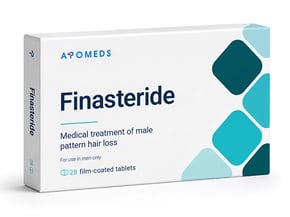
Finasteride
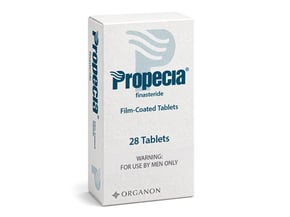
Propecia
How can you reduce Finasteride side effects?
How to reduce side effects of finasteride starts with using the prescribed dose correctly and reporting important symptoms early. Take one 1 mg tablet daily if that is what your prescriber has instructed; taking extra tablets does not improve hair growth, while reducing or skipping doses without advice can undermine the intended hair loss treatment without proving that a symptom will disappear. [1, 4]
Tell your doctor or pharmacist about other medicines you take. The medicine does not usually cause major drug interactions, and the SmPC says its potential to affect the pharmacokinetics of other drugs is small. You should still mention prescription medicines, supplements and treatment for the prostate or hair loss, particularly because the 1 mg formulation should not be combined with another product containing finasteride or another 5 alpha reductase inhibitor without clinical review. [1, 4]
Lifestyle measures such as sleep, exercise and stress reduction may support general health and sexual wellbeing, but they do not remove the pharmacological cause of a medicine-related reaction. If symptoms continue, the safer approach is to discuss them rather than self-adjusting treatment. Although lower doses have been studied and this may sound attractive, 1 mg daily is the licensed dose for male pattern hair loss. Do not reduce the dose without dicussing the potential benefits and risks with your prescriber.
For men using the medicine for hair loss, the balance is personal: continuing treatment can help protect hair follicles and maintain hair growth, while unwanted effects may affect whether the hair loss treatment still feels worthwhile. A clinician can help weigh efficacy, symptoms and alternative options.
Serious side effects of Finasteride
Serious reactions are uncommon, but mood changes, suicidal ideation, breast changes and serious allergic reactions need prompt attention. The MHRA strengthened safety warnings in 2026 after reviewing psychiatric and sexual safety data. [2]
Low mood and when to stop
Depression and significant mood changes can occur during use. The current SmPC categorises this psychiatric effect as uncommon, while anxiety and suicidal ideation have a frequency that is not known. This means suicidal thoughts have been reported, but the data do not support giving them a precise rate such as “rare”. [1, 2]
If you are taking the 1 mg tablets and develop depression or suicidal thoughts, the MHRA advises stopping the medication and contacting a healthcare professional as soon as possible. If you have seriously harmed yourself or feel at immediate risk of serious harm, call 999 or seek emergency care. [2]
People with a personal history of low mood or suicidal thoughts should tell the prescriber before treatment starts. Sexual symptoms can also affect mental health, so new psychological symptoms and sexual symptoms should both be reported rather than considered in isolation. [2, 4]
Breast changes and allergic reactions
Breast tenderness or swelling has been reported during use, as have lumps and nipple discharge. Current UK product information lists the frequency of breast tenderness and enlargement as not known rather than assigning it a category such as “less common”. Male breast cancer has also been reported post-marketing, although a causal frequency cannot be calculated from these reports. Promptly report changes in breast tissue such as a lump, pain, enlargement or nipple discharge. [1, 4]
Allergic reactions can include rash, itching, hives, swelling of the lips, tongue, throat or face, and breathing difficulties. The NHS describes a serious allergic reaction to the medicine as rare; severe allergy can progress to anaphylaxis and needs urgent health care. Stop taking it and seek urgent medical help if you develop facial or throat swelling, difficulty swallowing or difficulty breathing. [1, 3, 4]
Who should not take Finasteride?

Finasteride 1 mg for male pattern hair loss is intended for adult men, and Propecia is one branded 1 mg form of the same medication. It should not be taken by children, and it is not indicated for women.
The same restrictions apply to Propecia. Pregnant women or women who may become pregnant should not handle crushed or broken tablets, because finasteride may affect the development o the external genitalia of a male foetus. Whole tablets are coated and prevent contact with the active ingredient during normal handling. [1, 4, 8]
Women should also not use the 1 mg medicine for ordinary female hair loss under this product licence. Women who could become pregnant need particular caution because of the pregnancy risk. For women, the key additional concern is accidental exposure to broken or crushed tablets during pregnancy. Why do people not take finasteride? Some men decide against using it because of concerns about sexual function, mood, fertility or symptoms persisting after treatment. [1, 4]
Do not take the 1 mg medication if you are already taking the 5 mg formulation or another medicine in the same drug class for a prostate condition. It is also contraindicated if you are allergic to finasteride or an ingredient in the tablet. [1]
Finasteride lowers prostate-specific antigen (PSA), which can affect interpretation of prostate cancer screening tests. Tell the clinician arranging a PSA test that you use this medicine; the result may need adjustment. [1, 4]
When should you contact a doctor?
Contact a doctor if sexual symptoms such as reduced sex drive, erectile problems or ejaculation changes are persistent or troubling. Report breast lumps, pain, enlargement or nipple discharge promptly. Testicular pain, fertility concerns or marked changes in semen quality also deserve clinical review. [1, 2, 3]
Stop the 1 mg medicine and seek medical advice as soon as possible for low mood or suicidal thoughts. Seek emergency help for symptoms of a severe allergic reaction, including swelling of the face or throat or difficulty breathing. [2, 3, 4]
You can also report suspected adverse effects through the MHRA Yellow Card scheme. Reporting helps regulators monitor medication safety after approval. [1, 4]
Frequently asked questions about Finasteride side effects
The questions below cover whether finasteride is safe, whether symptoms usually resolve, how long they may persist, the difference between oral and topical treatment, and prescription access in the UK. This part of the article also explains how Propecia fits into the same safety picture.
Do Finasteride side effects go away?
Often they do. In clinical studies, the main sexual symptoms resolved in men who stopped the medication and in many who continued it. Their frequency also fell over several years of continued use. [1]
Persistent sexual symptoms have nevertheless been reported after stopping, so it would be inaccurate to promise that every symptom resolves. [1, 2]
How long do Finasteride side effects last after you stop?
Duration after treatment stops varies. Some effects improve after stopping, but sexual symptoms can persist in some reports. The MHRA recognises this possibility without giving a typical duration. [2]
Claims that PFS symptoms routinely persist indefinitely, or that sexual symptoms usually last 40 months after treatment, overstate the evidence. A selected case series reported a mean of about 40 months, but cannot establish what most people should expect. [7]
How can you reduce Finasteride side effects?
Take the medication exactly as prescribed and report symptoms rather than changing the dose yourself. There are no established data showing that self-selecting a lower dose reliably prevents unwanted effects while preserving efficacy. [1, 4]
If unwanted symptoms affect your sexual health, mental health or quality of life, discuss the benefit-risk balance with the prescriber. Is taking finasteride worth the risk? For many men, it may be because the safety profile is generally favourable and the medication can slow male pattern baldness and further hair loss, but individual tolerance and priorities matter. [1]
Are Propecia side effects the same as Finasteride?
Yes. Propecia contains finasteride 1 mg, so Propecia reactions are those expected with the oral 1 mg medicine used for male pattern hair loss. Propecia has the same active medication and mechanism, although inactive ingredients can differ between brands. Because Propecia is the 1 mg form, the same sexual, mood and fertility warnings apply to Propecia. For a man prescribed Propecia, the monitoring advice is therefore the same. [1, 8]
Does topical Finasteride have fewer side effects?
Topical finasteride side effects may involve less systemic exposure, but a lower overall risk should not be guaranteed. In a 24-week phase III trial, maximum plasma concentrations of the drug were more than 100 times lower with the topical formulation than with the oral tablet, and the reduction in serum DHT was smaller. Treatment-related sexual adverse events occurred in 2.8% with topical finasteride, 3.3% with placebo and 4.8% with oral finasteride. [9]
This suggests a lower likelihood of some systemic sexual effects, but the topical formulation can still cause adverse reactions and has less long-term data than oral medication. [9]
Can you get Finasteride without a prescription in the UK?
No. Finasteride is a prescription-only medication in the UK. For male pattern hair loss, Finasteride 1 mg is generally obtained through a private prescription in the UK, as it is not routinetly available through the NHS in England. An online service still requires a clinical assessment and a legal prescription. [1, 10]
Is finasteride safe for men? For appropriately selected adults using the licensed dose, it is generally well tolerated, but no prescription medicine is risk-free. How risky is taking finasteride? The absolute rates of the main sexual effects were low in controlled 1 mg trials, while serious psychiatric, breast and allergic reactions are less common or have uncertain frequency. Safety depends on the indication, dose, medical history and how you respond to treatment. [1, 2, 3]
Does finasteride shrink the prostate? At 5 mg, it can reduce prostate size because that dose is licensed for benign prostatic hyperplasia, not routine hair loss treatment. The drug can also lower PSA levels, so prostate cancer assessment must take its use into account. [1, 5]
-
-
Aurobindo Pharma - Milpharm Ltd. Finasteride 1mg tablets: Summary of Product Characteristics. Electronic Medicines Compendium. Updated March 17, 2026.
-
Medicines and Healthcare products Regulatory Agency. Finasteride and Dutasteride – updated safety warnings for psychiatric side effects and sexual dysfunction. Drug Safety Update. Published May 11, 2026.
-
Aurobindo Pharma - Milpharm Ltd. Finasteride 1mg tablets: Patient Information Leaflet. Electronic Medicines Compendium. Updated March 12, 2026.
-
Organon Pharma (UK) Limited. Proscar 5 mg film-coated tablets: Summary of Product Characteristics. Electronic Medicines Compendium. Updated January 6, 2025.
-
Pereira AFJR, Coelho TOA. Post-finasteride syndrome. An Bras Dermatol. 2020;95(3):271-277. doi:10.1016/j.abd.2020.02.001
-
Irwig MS, Kolukula S. Persistent sexual side effects of finasteride for male pattern hair loss. J Sex Med. 2011;8(6):1747-1753. doi:10.1111/j.1743-6109.2011.02255.x
-
Organon Pharma (UK) Limited. Propecia 1 mg Film-Coated Tablets: Summary of Product Characteristics. Electronic Medicines Compendium. Updated July 14, 2026.
-
Piraccini BM, Blume-Peytavi U, Scarci F, et al. Efficacy and safety of topical finasteride spray solution for male androgenetic alopecia: a phase III, randomized, controlled clinical trial. J Eur Acad Dermatol Venereol. 2022;36(2):286-294. doi:10.1111/jdv.17738
-
NHS. About finasteride.
-