

How Tadalafil affects blood pressure
Does tadalafil lower blood pressure? Usually only a little. Tadalafil is a phosphodiesterase type 5 (PDE5) inhibitor prescribed to treat erectile dysfunction (ED). When a man is sexually stimulated, the body releases nitric oxide, which raises levels of cyclic guanosine monophosphate (cGMP). This triggers smooth muscle relaxation, so blood vessels relax and increased blood flow reaches the erectile tissue, producing a penile erection. Tadalafil blocks the enzyme that breaks cGMP down, which makes an erection easier to achieve and maintain.
PDE5 is also found in the walls of arteries elsewhere in the body, so the effects of tadalafil can include a mild, short-lived widening of blood vessels. That is why many men ask whether Tadalafil can affect blood pressure, and the honest answer is yes, slightly. Safety data from more than 4,000 people who received the drug show that in healthy men, tadalafil blood pressure changes are small and not considered clinically relevant [1]. These effects occur within a few hours of a dose, and because the drug has a half-life of around 17.5 hours, tadalafil levels fall slowly [3].
How much of a drop can Tadalafil cause?
In most men the drop is small. In a placebo-controlled crossover study of 114 adults with hypertension, a single 20 mg dose lowered average 26-hour ambulatory blood pressure by 4.8 mmHg (systolic) and 2.9 mmHg (diastolic) compared with placebo [3]. The largest fall was seen in people whose blood pressure remained uncontrolled despite two to four medicines, averaging 7.5/4.3 mmHg [3]. None of the decreases was linked with symptoms of low blood pressure, and the most common adverse effects were headache, muscle ache, back pain and flushing [3]. These are results from supervised single doses, so they do not mean every man will notice anything.
The dose of tadalafil matters less than you might expect. Haemodynamic effects show a shallow dose-response curve, so higher doses do not lower blood pressure much further in otherwise healthy men [3]. Taking 20 mg daily for 26 weeks reduced systolic pressure by about 2.8 mmHg, compared with 0.6 mmHg on placebo [1]. Whether you are prescribed a generic or branded Cialis, the active ingredient and its blood pressure effects are the same.
Explore related treatments
View all products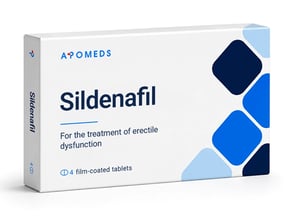
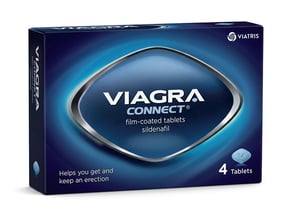
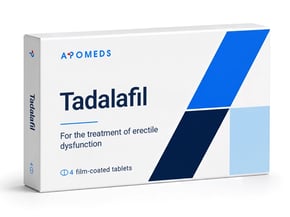
Can you take Tadalafil with high blood pressure?
Often, yes, provided your blood pressure is controlled and your doctor agrees. A pooled analysis of clinical trial data found no evidence that taking tadalafil alongside antihypertensive medications raised the risk of hypotension-related events or major cardiovascular events compared with antihypertensive medications alone [5]. An earlier programme of studies also concluded that tadalafil was safe in people taking one or more blood pressure drugs [2]. Tadalafil high blood pressure combinations are therefore common in practice, but they should be supervised.
The picture changes with uncontrolled hypertension. UK patient leaflets list low blood pressure and uncontrolled high blood pressure among the reasons not to take tadalafil [6]. Raised pressure also damages blood vessels over time, so if you are wondering what causes impotence, vascular disease and persistently high readings are among the first things a clinician will consider.
Heart health matters as much as the numbers. The same leaflets advise against taking it if you have serious heart disease, a heart attack within the last 90 days, or a stroke within the last six months [6]. Sexual activity places a temporary load on the heart, so your doctor will weigh your cardiovascular risk, including any coronary artery disease or other cardiovascular disease, before recommending any erectile dysfunction treatment.
Taking Tadalafil with hypertension medicines

Most antihypertensive medications can be combined with tadalafil, but their effects can add together, so drug interactions deserve attention. In trials, tadalafil added roughly 6-8 mmHg systolic and 4-5 mmHg diastolic reductions on top of metoprolol, bendroflumethiazide and angiotensin II receptor blockers [3]. Tell your prescriber or pharmacist about all other medicines before taking tadalafil, and never stop a blood pressure tablet on your own to make room for it.
Medicines that need extra care
Alpha blockers such as doxazosin, tamsulosin and prazosin are the main group to watch. They are prescribed for high blood pressure or for benign prostatic hyperplasia (an enlarged prostate), and some can cause a noticeable fall in standing blood pressure when combined with tadalafil. Doxazosin has the strongest effect, while tamsulosin showed no clinically significant interaction in studies [4]. In one analysis, tadalafil lowered standing systolic blood pressure by a further 9.8 mmHg on average when added to doxazosin, which is why the UK product information does not recommend taking tadalafil with doxazosin [4].
Other antihypertensive medications, such as ACE inhibitors, calcium channel blockers, thiazide diuretics and beta blockers, can usually be continued, although your doctor may suggest a lower starting dose. Some antibiotics and antifungals change tadalafil levels instead, so mention every prescription you use. Grapefruit juice also affects how tadalafil works [7]. The NHS advises swallowing the tablet with water or juice, but not grapefruit juice, so do not drink grapefruit juice with your dose [8].
Medicines you must never take with Tadalafil
Nitrate medications are the firm rule. Glyceryl trinitrate (GTN) spray or tablets and isosorbide mononitrate, used for angina, and nitric oxide donors such as amyl nitrite ("poppers") must never be combined with tadalafil, because together they can cause a dangerous drop in blood pressure [7,8]. Because tadalafil lasts so long, doctors advise leaving at least 48 hours after a dose before any nitrate is used, and even then only in an emergency and under close medical supervision.
If you get chest pain during or after sex and usually use GTN, do not take it. Seek immediate medical attention instead [8]. Riociguat, a treatment for pulmonary arterial hypertension, is also off limits because PDE5 inhibitors increase its blood pressure lowering effect [7]. Other treatments for erectile dysfunction should not be combined with tadalafil unless a doctor has said so.
Tadalafil and hypotension: when the drop goes too far
For most men, any fall in blood pressure from tadalafil goes unnoticed. In some, though, pressure drops far enough to cause hypotension, particularly when nitrates, alpha blockers, alcohol or dehydration are involved. These hypotensive effects are usually brief, but knowing the symptoms lets you act early.
Warning signs to look out for
Symptoms of low blood pressure include:
- dizziness or lightheadedness, especially when you stand up
- feeling faint
- a fast or pounding heartbeat
- blurred vision
- flushing or a throbbing headache
If you feel dizzy, sit or lie down until it passes, and contact a doctor immediately if it does not settle. Call 999 or go to A&E for chest pain, fainting, sudden loss of vision or hearing, signs of an allergic reaction such as a rash or swelling of the face or throat, or a prolonged erection lasting more than four hours. These all need immediate medical attention.
Alcohol and other factors that increase the risk
Alcohol can temporarily lower blood pressure, and heavy drinking while taking tadalafil raises the risk of dizziness on standing [7]. Other factors that make a significant drop more likely include taking an alpha blocker or nitrate, already having low blood pressure, and taking more than one dose in a day. Serious liver disease is another reason a doctor may advise against tadalafil [8]. Report any new adverse effects to your prescriber so your treatment can be reviewed.
Can Tadalafil treat hypertension?
Not in the way most people mean. In the UK, tadalafil is licensed for erectile dysfunction, for benign prostatic hyperplasia, and for pulmonary arterial hypertension, which is high blood pressure in the arteries of the lungs rather than the general circulation [8]. Tablets for pulmonary arterial hypertension are used under specialist care, and doctors take particular care in people with pulmonary veno-occlusive disease.
The modest blood pressure lowering seen in studies is better viewed as a side benefit for men with both ED and high blood pressure than as a treatment [3]. If your blood pressure is high, it needs its own plan, and tadalafil is not a substitute for antihypertensive medications.
Who should not take Tadalafil

Do not take tadalafil if you:
- are allergic to tadalafil or any ingredient in the tablet
- take nitrates or nitric oxide donors, or riociguat
- have serious heart disease, or had a heart attack in the last 90 days
- had a stroke in the last six months
- have low blood pressure or uncontrolled hypertension
- have ever lost vision from non-arteritic anterior ischaemic optic neuropathy (NAION)
Your doctor will also take extra care if you have serious liver or kidney disease, retinitis pigmentosa, bleeding disorders, or a condition linked with prolonged erection, such as multiple myeloma, leukaemia or sickle cell disease. Tadalafil for erectile problems is for men only. Women who need it for pulmonary arterial hypertension should discuss pregnancy with their specialist, as data on possible birth defects is limited.
When to speak to a doctor
Speak to a doctor or pharmacist before taking tadalafil if you have cardiovascular disease, take any blood pressure medicine, or are unsure whether you use a nitrate. Even with tadalafil, you still need sexual stimulation to get an erection, so lasting trouble is worth raising with your GP.
It is also worth booking a review if you notice signs of erection problems alongside high blood pressure, since the two often go together. If you take tadalafil daily and have a missed dose, take it when you remember unless the next dose is close, and never double up. Taking too much can cause headache, dizziness, indigestion and blurred vision, so seek medical attention if you take more than prescribed.
Frequently asked questions
How long does the effect last after one dose?
Tadalafil usually starts working within 30 to 60 minutes of taking it before sexual intercourse, provided you are sexually stimulated [8]. The erectile effect can last up to 36 hours at 10 mg and 20 mg. In the hypertension study, blood pressure was tracked for 26 hours after a dose [3].
Does a daily 5mg dose have the same effect?
The dose-response curve for blood pressure is shallow, so you should not assume 5 mg is risk-free [3]. The same warnings apply: no nitrates, caution with alpha blockers, and a review if your blood pressure is low or uncontrolled.
Can Tadalafil raise blood pressure?
It is not expected to. Tadalafil tends to lower blood pressure slightly, although patient leaflets list both high and low blood pressure among possible side effects [7]. Sexual activity itself can temporarily raise heart rate and blood pressure.
How does Sildenafil compare?
Both are PDE5 inhibitors with the same nitrate warning. Sildenafil has a half-life of about 4 hours, versus 17.5 hours for tadalafil, and has mild, transient hypotensive effects of its own [3]. Many men also read reviews of Cialis to compare how the two feel in practice.
Should you check your blood pressure before taking Tadalafil?
Yes. Knowing your readings helps your doctor decide whether it is safe, since low or uncontrolled high blood pressure rules it out. Many pharmacies offer free blood pressure checks, and a home monitor makes it easy to track changes.
-
[1] Kloner RA, Mitchell M, Emmick JT. Cardiovascular effects of tadalafil. Am J Cardiol. 2003;92:37M–46M. doi: 10.1016/s0002-9149(03)00074-2
[2] Kloner RA, Mitchell M, Emmick JT. Cardiovascular effects of tadalafil in patients on common antihypertensive therapies. Am J Cardiol. 2003;92:47M–57M. doi: 10.1016/s0002-9149(03)00075-4
[3] Patterson D, McInnes GT, Webster J, Mitchell MM, MacDonald TM. Influence of a single dose of 20 mg tadalafil, a phosphodiesterase 5 inhibitor, on ambulatory blood pressure in subjects with hypertension. Br J Clin Pharmacol. 2006;62(3):280–287. doi: 10.1111/j.1365-2125.2006.02658.x
[4] Kloner RA, Jackson G, Emmick JT, et al. Interaction between the phosphodiesterase 5 inhibitor, tadalafil and 2 alpha-blockers, doxazosin and tamsulosin in healthy normotensive men. J Urol. 2004;172(5 Pt 1):1935–1940. doi: 10.1097/01.ju.0000142687.75577.e4
[5] Kloner RA, Kostis JB, McGraw TP, Qiu C, Gupta A. Analysis of integrated clinical safety data of tadalafil in patients receiving concomitant antihypertensive medications. J Clin Hypertens (Greenwich). 2022. doi: 10.1111/jch.14435
[6] Cialis patient information leaflet. Electronic Medicines Compendium. Accessed November 8, 2026. https://www.medicines.org.uk/emc/files/pil.7430.pdf?view=pil
[7] Tadalafil patient information leaflet. Electronic Medicines Compendium. Accessed November 8, 2026. https://www.medicines.org.uk/emc/files/pil.100513.pdf
[8] NHS. Tadalafil. NHS. https://www.nhs.uk/medicines/tadalafil/