
What needs to happen for an erection to start?
An erection usually begins with sexual stimulation. This may involve physical touch, sexual thoughts, visual stimulation or other forms of arousal. Signals from the brain are transmitted through the nervous system to the penis, where they trigger the release of nitric oxide [1,2].
Nitric oxide activates a chemical signalling pathway that increases levels of cyclic guanosine monophosphate (cGMP). This causes the smooth muscle in the erectile tissue to relax, allowing the arteries supplying the penis to widen and blood flow to increase. As the erectile tissue fills with blood and venous outflow is restricted, pressure within the erectile tissue increases and the penis becomes firm and erect.
Maintaining an erect penis requires blood to remain inside the erectile tissue. As the tissue expands, it compresses the veins that normally carry blood away from the penis. This helps maintain pressure within the penis and keeps the erection firm, making sure the erection lasts.
This process can be disrupted by physical or psychological factors. Cardiovascular disease, diabetes, high blood pressure, obesity, smoking, hormonal problems and certain medications can all contribute to erectile difficulties and make it difficult to get and maintain an erection. Anxiety, stress, depression and relationship problems can also interfere with sexual arousal.
What can you do if you need an erection right now?
If you are wondering how to get an erection quickly, the most useful approach is to create the right conditions for sexual arousal rather than trying to force an erection.
Allowing enough time for sexual stimulation is important. Kissing, touching, masturbation and other forms of sexual activity can help build arousal and trigger the physiological processes required for an erection [3].
If you are with a sexual partner, communication can also help. Focusing on pleasurable sensations rather than monitoring whether you are becoming erect can reduce pressure and allow arousal to develop naturally.
Taking an ED tablet helps the body's normal response to sexual stimulation but it doesn’t automatically help you achieve an erection. Sexual stimulation is necessary to get an erection, even after taking ED medicines like sildenafil and tadalafil.
There is no guaranteed way to get an erection fast, particularly if tiredness, stress, alcohol or an underlying health issue is affecting erectile function.
Explore related treatments
View all products
Why does there still need to be stimulation?
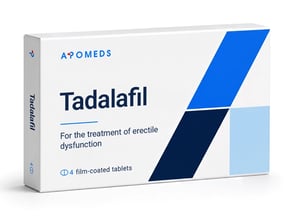
ED medication such as sildenafil and tadalafil improve the body's response to sexual stimulation. These medicines are phosphodiesterase-5 (PDE5) inhibitors and they work by blocking the PDE5 enzyme, which normally breaks down a chemical called cGMP. By increasing the intracellular concentration of cGMP, these medicines help increase blood flow to the penis [2].
However, this process is activated by sexual arousal and stimulation. In other words, the medication helps amplify the body's natural erection response; it does not switch that response on by itself.
For this reason, taking erectile dysfunction pills and expecting an immediate erection without stimulation can lead to disappointment. Allowing sufficient time for arousal and focusing on sexual pleasure and stimulation can help the medication work as intended [3].
Does rushing or alcohol get in the way?
Rushing sexual activity can make it harder to become sufficiently aroused, especially when anxiety and relationship difficulties are already present. Trying to achieve an erection quickly can create additional pressure and make it harder to relax and become aroused [4].
Too much alcohol can also interfere with erections. Alcohol affects the central nervous system and can reduce sexual responsiveness, while excessive consumption can also cause changes in blood pressure and circulation. If alcohol is contributing to erectile dysfunction, reducing your intake may improve your ability to get and maintain an erection [4,5].
What if anxiety is getting in the way?

Anxiety is a common reason why a man may struggle to get or maintain an erection despite having no major physical problem. It can happen after one or more difficult sexual experiences, particularly when someone starts worrying that the same thing will happen again [3,4].
Try to take the focus away from achieving a particular outcome. Slowing down, communicating with your partner and concentrating on pleasurable physical sensations can reduce pressure.
Managing stress more generally may help too. Regular exercise, adequate sleep and addressing anxiety or depression can support both mental health and sexual function.
If performance anxiety continues to interfere with sex, psychological support, counselling or sex therapy may be useful. Psychological factors do not mean that the problem is imaginary. The causes of erectile dysfunction can be both psychological and physical, and many cases involve a combination of factors.
How to keep an erection going once it has started
Maintaining an erection depends on continued sexual arousal and adequate blood flow. It is normal for erection firmness to fluctuate during sexual activity, particularly when stimulation changes or your attention is temporarily distracted [2,3,4].
If an erection starts to soften, returning to sexual stimulation may help. There is no need to panic or immediately assume that you have ED.
Occasional difficulty getting an erection is common and does not necessarily mean you have erectile dysfunction (ED). However, if erectile problems happen regularly, there are several things you can do to support erectile function, from managing stress and improving your overall health to considering ED medication when appropriate.
If you regularly struggle to keep an erection firm enough for satisfactory sexual activity, it is worth discussing the problem with a healthcare provider.
What helps erections over weeks, not minutes
If you are looking for how to get a stronger erection or how to get an erection naturally, long-term changes are generally more useful than trying to find a quick fix.
Erectile function is closely linked to cardiovascular and metabolic health, so improving the factors that support healthy blood vessels can support erections.
Sleep, exercise and weight
Regular exercise can improve blood flow, cardiovascular fitness and metabolic health. It can also help with weight management, which is relevant because obesity is associated with an increased risk of erectile dysfunction [1].
Aim for consistent physical activity rather than relying on occasional intense exercise. For example, walking, cycling, swimming, resistance training and other forms of regular movement can contribute to overall health.
Poor sleep can also contribute to fatigue, stress and reduced sexual wellbeing. Lack of adequate sleep, poor sleep quality, and sleep disorders such as obstructive sleep apnoea are associated with erectile dysfunction [1,6].
If you are obese or overweight, gradual weight loss may improve erectile function by reducing some of the cardiovascular and metabolic factors associated with ED.
Smoking, alcohol and a healthy diet

Smoking and tobacco use can damage the lining of blood vessels and contribute to impaired circulation. Quitting smoking is therefore an important step for both cardiovascular and erectile health [1].
A balanced diet based around vegetables, fruit, whole grains, lean proteins and healthy sources of fat can support cardiovascular health. This matters because the small blood vessels involved in erections are affected early by poor cardiovascular health, which is part of why ED can be an early warning sign of heart disease [7].
Alcohol should be consumed in moderation. Excessive drinking can interfere with sexual arousal and make it more difficult to get or maintain an erection [5].
Lifestyle changes may not completely resolve severe ED, particularly when there is an underlying medical cause, but they can form an important part of a wider treatment plan.
When ED tablets can help and when they cannot: underlying health conditions
ED tablets such as sildenafil can be effective when erection problems are caused by an impaired physiological response to sexual stimulation. Knowing how to use Viagra and other ED tablets correctly, including when to take it and using the appropriate dose, can help maximise their effectiveness [1,3].
If an ED tablet does not work as expected, other factors may be affecting erectile function. These can include underlying health conditions, psychological factors, excessive alcohol consumption, or interactions with other medicines. Conditions such as diabetes, cardiovascular disease, high blood pressure and low testosterone can contribute to ED and may need to be addressed alongside treatment.
A healthcare professional can assess the possible causes of ED and determine whether an underlying health condition may be contributing to the problem. Depending on the cause and response to ED treatment, they may recommend adjusting the dose, trying a different medication, treating an underlying condition, or considering an alternative treatment approach.
When it is time to get medical advice
Occasional difficulty getting an erection is usually not a cause for concern. Stress, tiredness and excessive alcohol can all cause temporary problems and may resolve without medical treatment.
However, persistent erectile problems are worth discussing with a healthcare provider. ED can sometimes be an early sign of an underlying health condition, including cardiovascular disease, diabetes or high blood pressure [1].
A healthcare professional may ask about your medical and sexual history and may perform a physical exam or arrange blood tests where appropriate. Depending on your circumstances, these may include checks of blood glucose, cholesterol or testosterone levels.
You should also seek medical care if ED develops suddenly, becomes significantly worse or occurs alongside symptoms such as chest pain, shortness of breath or other concerning changes.
FAQs
Here are the most commonly asked questions around treating ED, medication and sexual medicine.
Are ED tablets the only way to get and maintain an erection?
No. ED tablets are an important treatment option, but they are not the only approach. Treatment depends on the underlying cause and may include lifestyle changes, psychological support, vacuum erection devices, injections or, in selected cases, surgical treatment such as penile implants [1].
The most appropriate approach depends on the causes, your general health and how severe your ED is. For some men, improving exercise levels, losing excess weight, stopping smoking or managing conditions such as diabetes and hypertension can improve erectile function. Others may benefit from addressing anxiety, depression or relationship difficulties [1].
If I still get morning erections, what does that suggest?
Morning or spontaneous erections indicate that your body is capable of producing an erection.
If you can get an erection during sleep or on waking but regularly struggle during partnered sexual activity, psychological or situational factors may be contributing. However, physical and psychological causes can coexist, so persistent symptoms should still be assessed [2].
Why might erections feel weaker than they did before?
A gradual reduction in erection firmness can have several causes. Cardiovascular problems, high blood pressure, diabetes, smoking, obesity, medication, hormonal changes and reduced physical activity can all contribute to changes in erectile function. Stress, anxiety and relationship difficulties can also affect sexual performance [1,2].
A noticeable change in erectile health, like sudden erectile dysfunction, is worth discussing with a healthcare professional, particularly if it occurs alongside other changes in your general health.
Does needing time after orgasm mean it is ED?
No. The period following orgasm during which another erection may be difficult to achieve is called the refractory period. It is a normal part of male sexual physiology and varies significantly between individuals [8].
The refractory period can become longer with age, tiredness or changes in arousal. ED instead refers to persistent difficulty achieving or maintaining an erection when sexual stimulation and desire are present, rather than simply needing time before another erection is possible.
How often does erectile dysfunction need to happen before it is worth getting checked?
There is no specific number of episodes that automatically means you have ED. Occasional erection difficulties are common and can happen because of stress, tiredness, alcohol or other temporary factors. If erectile problems happen repeatedly, affect your sex life or cause significant concern, it is reasonable to seek medical advice rather than trying to manage the problem alone.
-
-
Salonia A, Capogrosso P, Boeri L, et al. European Association of Urology Guidelines on Male Sexual and Reproductive Health: 2025 Update on Male Hypogonadism, Erectile Dysfunction, Premature Ejaculation, and Peyronie's Disease. Eur Urol. 2025;88(1):76-102. doi:10.1016/j.eururo.2025.04.010.
https://www.sciencedirect.com/science/article/pii/S0302283825002118?via%3Dihub -
Dean RC, Lue TF. Physiology of Penile Erection and Pathophysiology of Erectile Dysfunction. Urologic Clinics of North America. 2005;32(4):379-395. doi:https://doi.org/10.1016/j.ucl.2005.08.007. https://pmc.ncbi.nlm.nih.gov/articles/PMC1351051/
-
Li H, Gao T, Wang R. The role of the sexual partner in managing erectile dysfunction. Nature reviews Urology2016;13(3):168-177. doi:10.1038/nrurol.2015.315 https://www.nature.com/articles/nrurol.2015.315
-
Mathews E. Male sexual disorders: options for psychotherapeutic treatment. Trends in Urology & Men’s Health2020;11(3):9-14. doi:10.1002/tre.748 https://wileymicrositebuilder.com/trends/wp-content/uploads/sites/13/2020/05/Sexual-problems-in-men.pdf
-
Lee ACK, Ho LM, Yip AWC, Fan S, Lam TH. The effect of alcohol drinking on erectile dysfunction in Chinese men. International Journal of Impotence Research. 2010;22(4):272-278. doi:https://doi.org/10.1038/ijir.2010.15. https://pubmed.ncbi.nlm.nih.gov/20555344/
-
Gutierrez-Velarde P, Valladares-Garrido MJ, Peralta CI, Vera-Ponce VJ, Grandez-Urbina JA. Poor sleep quality and erectile dysfunction in students from a Peruvian University: A cross-sectional study. Frontiers in Public Health. 2023;11:932718. doi:https://doi.org/10.3389/fpubh.2023.932718. https://www.frontiersin.org/journals/public-health/articles/10.3389/fpubh.2023.932718/full
-
Bauer SR, Breyer BN, Meir J. S, Rimm EB, Giovannucci EL, Kenfield SA. Association of Diet With Erectile Dysfunction Among Men in the Health Professionals Follow-up Study. JAMA Netw Open2020;3(11):e2021701. doi:10.1001/jamanetworkopen.2020.21701 https://jamanetwork.com/journals/jamanetworkopen/fullarticle/2772916/
-
Ferrini MG, Gonzalez-Cadavid NF, Rajfer J. Aging related erectile dysfunction—potential mechanism to halt or delay its onset. Translational Andrology and Urology2017;6(1):20-27. doi:10.21037/tau.2016.11.18 https://pmc.ncbi.nlm.nih.gov/articles/PMC5313305/
-