
Is erectile dysfunction at 20 normal?
An occasional difficulty getting or keeping an erection is common and does not automatically mean you have erectile dysfunction (ED). Persistent or recurring problems deserve attention, even at 20. Impotence is a traditional term for ED, not a separate diagnosis. Erectile dysfunction means repeatedly being unable to achieve or maintain an erection firm enough for satisfactory sexual activity. It can affect sexual health, confidence and relationships, but it is often treatable. [1, 2]
Healthy young men sometimes have an off night because of tiredness, stress or alcohol. For most men, a single episode is not a medical diagnosis. If it keeps occurring, speak with a doctor rather than assuming that your age rules out a physical cause. [1]
How common is erectile dysfunction in young men?
Erectile dysfunction in young men is recognised, although a single reliable UK prevalence figure for 20-year-olds is not available. Estimates vary because studies use different age brackets, definitions and samples. One study found that 26% of 439 patients seeking first medical help for newly presenting ED at an Italian clinic were aged 40 or younger. That does not mean 26% of the general population in this age group has ED. [3]
The prevalence and risk factors differ between young men and older men, and the gap between surveys can be substantial. How many men have ED at 20? No robust national figure answers that specific question. Researchers studying younger age groups sometimes use the International Index of Erectile Function to grade mild ED and more persistent difficulties.
Neither a clinic statistic nor an online questionnaire can diagnose an individual. Repeated difficulty getting or maintaining an erection can be a sign of erectile dysfunction in men of any adult age. [2, 3]
Psychological or physical erectile dysfunction: the role of blood vessels
Erections involve the brain, nerves, hormones and blood vessels working together. The body relies on coordinated signals, not willpower alone. Anxiety is one potential factor in that process. During arousal, signals relax smooth muscle in the penis so that blood flow increases and an erection can develop. Disruption anywhere in this process can make getting or keeping an erection harder. [2]
Clinicians sometimes describe a predominantly physical problem as organic erectile dysfunction and a predominantly psychological one as psychogenic ED. In reality, causes often overlap. For example, a minor physical difficulty can trigger worry about sexual performance, which then makes future erections less reliable. Having morning or solo erections may offer useful clues, but it cannot conclusively rule out a physical condition. [2]
What are the causes of erectile dysfunction among younger men?

The causes of erectile dysfunction are varied. Similar difficulties can be temporary, situational or linked to health conditions or medication. Working out what changed, when it occurs and whether it happens in different situations is more useful than assuming one most common cause for every man. [1, 2]
Psychological causes
Stress, anxiety, low self-esteem and relationship issues can all affect sexual function. Depression may also lower libido and contribute to ED. Performance anxiety may form a loop: one unsuccessful attempt leads to worry about sexual performance, making it more difficult to relax the next time. Psychological issues can also coexist with medical risk factors. Stress and poor sleep may cause ED for some men, but there is no universal psychological explanation. [2]
Mental health and sexual confidence are connected, but ED does not mean someone has a mental health disorder. For younger adults, the emotional impact of repeated difficulties may be substantial. Problems at work, emotional pressure or difficulties with a partner can affect arousal even when the penis and its blood supply are healthy. A clinician can help separate these factors without blaming either partner. [2]
Lifestyle factors
Smoking, an unhealthy diet, excess alcohol, obesity and a sedentary lifestyle can undermine overall health and cardiovascular fitness. These habits may affect the blood vessels and blood flow needed for erections. Not getting enough exercise and regularly drinking heavily can also make the problem harder to resolve. [1, 2]
These are modifiable risk factors, not proof of the cause in a particular person. Young men who smoke, drink heavily or are experiencing ED should discuss changes that are achievable for them. Younger people may also benefit from prevention rather than waiting until habits become established. Being active and eating well benefit health whether or not they immediately change sexual performance. [1, 2]
Physical and medical causes
Physical causes include diabetes, high blood pressure, circulation problems and hormonal disorders. Low testosterone refers to a low level of an important hormone involved in sex drive; ED alone does not establish a deficiency. Obesity and heart disease occur more frequently with age, but younger males can also have metabolic or vascular health conditions. Certain chronic conditions can place them at a higher risk, even without obvious warning signs. [2]
A previous pelvic injury, penile curvature or another condition affecting the penis may also matter. ED is more frequent among older men, including those over 50, yet age should not be used to dismiss difficulties in younger adults. Finding the underlying causes matters because an erection problem can sometimes be an early sign of a wider health issue. Identifying them can increase the chance of appropriate treatment. [2]
Medicines that can affect erections
Some prescription drugs, including certain antidepressants and blood pressure drugs, can contribute to erection difficulties or a change in sex drive. Recreational drugs and anabolic steroids may also influence sexual function. The relationship is not the same for every drug or person; effects depend on the condition being treated. [2]
Do not stop a prescribed treatment abruptly because you suspect an effect on erections. Tell your doctor what you are taking, including supplements and recreational substances, so they can review alternatives or other reasons for the problem safely. [2]
Can porn cause erectile dysfunction?
Research does not show that ordinary pornography viewing directly causes erectile dysfunction in young men. Some studies report an association between self-identified problematic use and erection difficulties, but association is not proof of cause. Stress, anxiety and other factors may influence both. [4]
If pornography habits feel compulsive, interfere with partnered sex or cause distress, it can help to discuss that openly with a sexual medicine professional or therapist. Reducing an activity that feels unhelpful is reasonable, but avoid self-diagnosing a supposedly permanent condition on the basis of online claims. [4]
Explore related treatments
View all products
When to see a doctor for erectile dysfunction
Arrange an appointment if erection difficulties persist, recur or cause distress, particularly if you also notice a change in libido, pain or penile curvature. The first step is usually a confidential conversation about your medical and sexual history, recent stress and any medication you take. The NHS guidance on erection problems also advises seeing a GP when difficulties keep happening. [1, 2]
A clinician may offer a focused physical exam and check blood pressure, weight and cardiovascular risk. Depending on your history, blood tests may assess glucose or HbA1c, cholesterol and early-morning testosterone. The International Index of Erectile Function may help assess severity. Not everyone needs every test, but checking physical health is important even when anxiety seems likely. [2]
If you have diabetes, depression or cardiovascular concerns, seek advice rather than relying on internet remedies. Sexual problems are common topics in primary care, and an assessment can identify treatable conditions as well as support your emotional wellbeing. [1, 2]
How is erectile dysfunction treated in younger men?
The best treatment depends on the underlying cause, how often the problem happens and what you prefer. Erectile dysfunction treatment may involve lifestyle changes, psychological support, medicines or a combination. There is no single remedy that is best for every man in his twenties, and younger adults may have different reasons for seeking care. [1, 2]
Lifestyle changes
If you want to get an erection without medication, there's no single method that works immediately for everyone. Regular exercise may help improve circulation and ease anxiety; enough sleep, stopping smoking and cutting down alcohol may also help when these factors contribute. If overweight, gradual changes that help you lose weight may support better erectile function; that goal is not appropriate for everyone. Aim to consume a varied diet and stay active in ways you can maintain. [1, 2]
A 2026 review of 16 randomised trials involving 1,477 participants found that diet and exercise interventions produced a modest improvement in erectile-function scores compared with controls. The findings describe average benefit, not a guaranteed result for every individual. The trials involved adults of different ages, so the result is not a guarantee for healthy young men. [5]
A separate observational study found an association between higher intake of some flavonoid-rich foods, including fruit, and fewer new reports of ED. It did not prove that eating particular foods cures erection problems. When considering natural remedies for ED, focus on enough exercise, a balanced diet and good sleep rather than unverified supplements. These changes may increase fitness, but none guarantees a cure. [1, 2, 6]
Counselling and sex therapy
Counselling, psychosexual therapy or cognitive behavioural therapy (CBT) can be useful when anxiety, depression or relationship issues influence erections. CBT helps people question unhelpful beliefs and manage anticipatory worry; sex therapy may include communication exercises with a partner. These approaches can be combined with medical treatment when appropriate. [2]
If stress creates a cycle of monitoring every erection, the immediate goal may be to reduce pressure rather than to prove that sexual intercourse must work every time. This can lessen the impact of worry on intimacy. Mental health support can also help protect relationships and self-confidence, whether or not a physical cause is identified. [2]
Erectile dysfunction medication
Sildenafil and tadalafil are established oral medications for erectile dysfunction. They are phosphodiesterase type 5 (PDE5) inhibitors; with sexual stimulation, they help the penis receive enough blood to achieve an erection. They do not create desire or cause a constant erection. [2, 7]
A clinician may prescribe sildenafil or another suitable medicine after reviewing your health, other drugs and likely benefits. The choice between different erectile dysfunction pills depends on timing, preferences, contraindications and response. [2, 7]
Other treatment options
If tablets are unsuitable or unsuccessful, vacuum erection devices may help by drawing blood into the penis. Specialist options, such as alprostadil, may be discussed for selected patients. These are not usually the first choice for a 20-year-old without a diagnosis, and the correct option depends on the cause and medical evaluation. [1, 2]
For practical ways to improve erections, focus first on reversible factors, assessment and evidence-based treatment. Avoid unregulated “male enhancement” products: their quality and ingredients may be uncertain. [1]
Are erectile dysfunction medicines safe for men in their 20s?

They can be appropriate for some adults aged 18 and over, but being young does not automatically make an ED treatment safe. Younger men should make decisions based on assessment, not age alone. Sildenafil is licensed for adult men with ED, and suitability depends on cardiovascular status, other medicines and a proper assessment.
Comparing Cialis vs Viagra may clarify duration differences, but cannot establish personal suitability. Common effects can include headache, flushing, nasal congestion and indigestion. [7, 8]
Do not combine sildenafil or tadalafil with nitrates or recreational nitrite “poppers”, because blood pressure may fall dangerously. Neither sildenafil nor tadalafil should be used with riociguat. Some people with serious heart problems should not take ED medication. Seek urgent medical care for chest pain during sex, a sudden loss of vision, or an erection lasting four hours or longer. [7, 8]
Do not mix ED drugs or take higher doses without professional direction. More frequent dosing can increase side effects. The European Association of Urology guidance recommends tailoring care to the individual. [2, 7]
How to get erectile dysfunction treatment in the UK
A GP or appropriately regulated online clinician can discuss symptoms and possible causes, examine risk factors and prescribe treatment if suitable. If you want to get Viagra on prescription, a prescriber will need to consider your history and any contraindications. Choosing a registered service matters because unregulated products can contain unexpected ingredients. Younger males should follow the same safety standards as older adults. [1, 7]
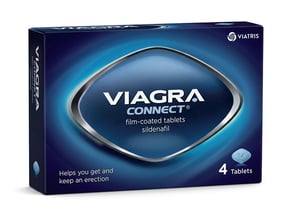
Not all ED products require a prescription. Viagra Connect 50 mg is classified as a pharmacy medicine for eligible men aged 18 or older, supplied after a pharmacist checks suitability. Other sildenafil products and doses may still require a prescription. [8, 9]
Frequently asked questions about erectile dysfunction at 20
These answers address common questions about occasional erection difficulties, treatments and getting help in the UK.
Is erectile dysfunction in your 20s usually psychological?
Not always. Stress and performance anxiety are frequent contributors, but diabetes, hormonal changes, medication effects and circulation problems can also cause ED. A young age does not prove that symptoms are psychological. [2]
Does losing an erection during sex mean I have erectile dysfunction?
No. Losing an erection occasionally, including at 19 or 20, is not necessarily a medical condition. It can happen to young and older men alike. If you repeatedly cannot get an erection or maintain an erection firm enough for sex, ask a doctor to assess what is happening. Keeping a brief record of when problems occur can help the discussion. [1]
Can men in their 20s take Viagra or sildenafil?
Some can, following an appropriate clinical or pharmacist assessment. The same safety considerations apply to older men. Sildenafil is intended for adult men with ED, but it is not right for everyone, particularly those taking nitrates or with certain heart conditions. [7, 8]
Does erectile dysfunction in young men go away on its own?
Sometimes. An episode linked to tiredness or temporary anxiety may improve as circumstances change. Persistent problems, especially with a medical cause, need assessment; there is no reliable timetable for when ED will resolve without help. [1, 2]
Can you get erectile dysfunction medication without a prescription in the UK?
Yes, certain pharmacy-classified sildenafil products, such as Viagra Connect 50 mg, can be supplied after a pharmacist checks eligibility. Prescription-only medicines still require a prescription, and pharmacy supply should not replace assessment of repeated erection difficulties. [8, 9]
Having erection difficulties in your twenties can be upsetting, but it does not define your health or your future sexual life. The sensible next step is to notice whether problems recur, discuss physical and psychological causes with a clinician, and choose appropriate support rather than trying to diagnose yourself from a single experience. Follow the plan agreed with your clinician if further checks are needed. [1, 2]
-
-
European Association of Urology. Guidelines on sexual and reproductive health: management of erectile dysfunction. 2026.
-
Capogrosso P, Colicchia M, Ventimiglia E, et al. One patient out of four with newly diagnosed erectile dysfunction is a young man—worrisome picture from everyday clinical practice. J Sex Med. 2013;10(7):1833-1841. doi:10.1111/jsm.12179.
-
Grubbs JB, Gola M. Is pornography use related to erectile functioning? Results from cross-sectional and latent growth curve analyses. J Sex Med. 2019;16(1):111-125. doi:10.1016/j.jsxm.2018.11.004.
-
Li T, He X, Huang W, Liu G, Feng Q. Efficacy of lifestyle interventions in treating erectile dysfunction: a systematic review and meta-analysis of randomized controlled trials. J Sex Med. 2026;23(6). doi:10.1093/jsxmed/qdag137.
-
Cassidy A, Franz M, Rimm EB. Dietary flavonoid intake and incidence of erectile dysfunction. Am J Clin Nutr.2016;103(2):534-541. doi:10.3945/ajcn.115.122010.
-
Viatris. Viagra 50 mg film-coated tablets: Summary of Product Characteristics. Electronic Medicines Compendium.
-
Viatris. Viagra Connect 50 mg film-coated tablets: Summary of Product Characteristics. Electronic Medicines Compendium.
-
Medicines and Healthcare products Regulatory Agency. MHRA reclassifies Viagra Connect tablets to a Pharmacy medicine. Published November 28, 2017.