

Are weight loss injections safe? For eligible adults, they are generally considered safe when they are prescribed after a proper assessment, used as directed and reviewed during treatment. They are prescription medicines, not a quick fix, and their benefits need to be weighed against common digestive effects and rarer serious risks. [1, 2, 3, 4, 5]
The safest approach is to use regulated weight loss injections as part of a wider plan that includes nutrition, activity and follow-up. This guide explains how they work, what side effects to expect, who may not be suitable and how to obtain them safely in the UK.
What are weight loss injections?
Weight loss injections are prescription treatments used to support weight management in eligible adults alongside changes to diet and activity. They include Wegovy (semaglutide), Mounjaro (tirzepatide) and Saxenda (liraglutide), although they differ in active ingredient, dosing schedule and some safety considerations. [2, 3, 4]
They act on hormone pathways involved in appetite and can help people feel fuller and eat fewer calories. The amount of weight loss varies, and suitability depends on factors such as BMI, medical history and other medicines being taken.
How weight loss injections work
GLP-1 is a natural hormone involved in appetite and blood sugar regulation. Semaglutide and liraglutide mimic GLP-1, while tirzepatide acts on both GLP-1 and GIP receptors. [1, 2, 3, 4] These injections work partly by reducing appetite and slowing stomach emptying, which can make it easier to eat less.
In clinical trials, semaglutide 2.4 mg produced an average 14.9% reduction in body weight at 68 weeks in STEP 1, while the later SURMOUNT-5 head-to-head trial reported 20.2% with tirzepatide at 72 weeks versus 13.7% with semaglutide. [6, 7] These are averages from defined study populations. The amount of weight loss patients achieve varies, so the figures are not a guarantee of an individual result.
Understanding how weight loss injections work also helps explain why they are not a quick fix. They can support people trying to lose weight, but they are used alongside sustainable lifestyle measures rather than replacing them.
What side effects can occur?
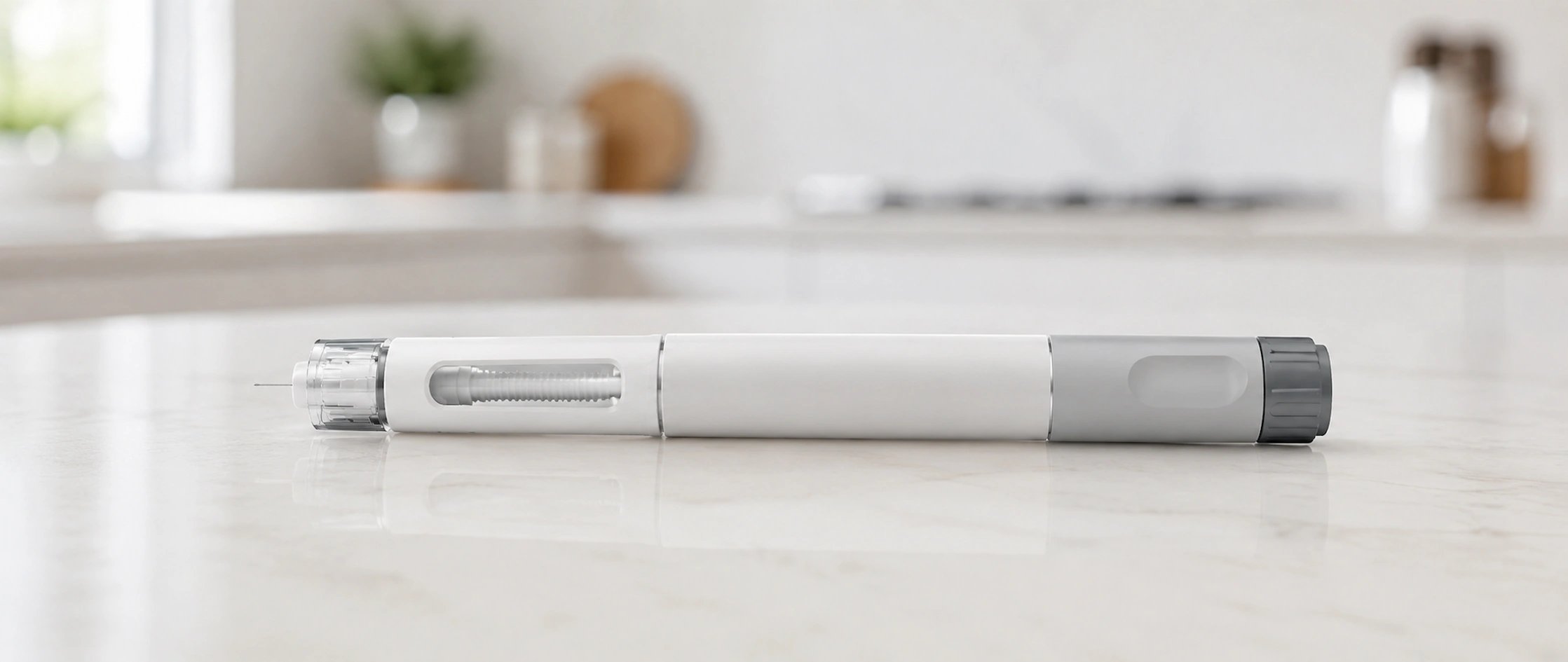
Most weight loss injection side effects affect the digestive system and are manageable, especially as the dose is increased gradually. These common side effects are one reason gradual dose escalation and follow-up matter during weight loss treatment. However, serious side effects can occur, so it is important to know which symptoms need medical advice.
Common side effects
The common side effects of Wegovy, Mounjaro and Saxenda include nausea, diarrhoea, vomiting, constipation and abdominal discomfort. [2, 3, 4] With Mounjaro, gastrointestinal problems affected about 56% of participants in pooled weight-management studies, although most were mild or moderate and were more frequent during dose escalation. [3]
Smaller meals, eating slowly and keeping hydrated may help. If symptoms are persistent, severe or make it difficult to drink enough, contact your prescriber rather than increasing or reducing the dose yourself.
Rare but serious side effects
Acute pancreatitis is an uncommon but potentially serious complication. In January 2026, the MHRA strengthened warnings after reports that included necrotising and fatal cases. [5] Severe, persistent abdominal pain, especially if it spreads to the back or occurs with vomiting, requires urgent medical assessment. Pancreatitis means an inflamed pancreas and should not be ignored.
Gallbladder problems, severe allergic reactions and dehydration can also require medical review. [2, 3, 4, 5] So, are weight loss injections safe when side effects occur? Usually, expected digestive effects can be managed, but warning symptoms should never be dismissed as simply part of the process.
Are weight loss injections suitable for everyone?
No. Suitability depends on your clinical background, current medicines, BMI, pregnancy status and other individual factors. A prescribing consultation is therefore an important part of deciding whether treatment is appropriate.
Medical conditions to be aware of
Tell the prescriber if you have, or have previously had:
- pancreatitis or gallbladder disease;
- significant digestive problems;
- severe kidney or liver impairment;
- diabetic eye disease; or
- other medical conditions that may affect treatment.
You should also tell them about any other medical treatments you use. A history of pancreatitis is not an automatic contraindication to Wegovy, Mounjaro or Saxenda, but current product information advises caution. [2, 3, 4]
For people with type 2 diabetes, combining these products with insulin or a sulfonylurea can increase the chance of low blood sugar. Any change to diabetes therapy should be made by healthcare professionals rather than independently. [2, 3]
Bariatric surgery is another evidence-based option for some people with obesity, particularly where there are substantial health problems. NICE treats drug therapy and bariatric surgery as separate pathways, and bariatric surgery requires specialist assessment. Weight loss surgery therefore has different benefits, risks and eligibility criteria from injections. [8]
Pregnancy and breastfeeding
Weight loss injections should not be used during pregnancy. Current UK product information advises stopping semaglutide at least two months before a planned pregnancy and tirzepatide at least one month beforehand. Liraglutide should be discontinued if pregnancy occurs or is planned. [2, 3, 4]
Because reduced efficacy of oral contraceptives cannot be excluded, current product information advises switching to a non-oral method or adding a barrier method for four weeks after starting tirzepatide and for four weeks after each dose increase. [1, 3]
Breastfeeding is more nuanced. General MHRA guidance advises against GLP-1 use while breastfeeding, and Wegovy and Saxenda product information says they should not be used. [1, 2, 4] However, the current Mounjaro SmPC reports a study of 11 women in which tirzepatide concentrations in breast milk were undetectable or very low after a single 5 mg dose. It states that tirzepatide could be considered during breastfeeding. [3] This requires individual clinical assessment.
Body mass index and eligibility
BMI is one factor used to determine whether these products are licensed for adult weight control. Wegovy, Mounjaro and Saxenda generally cover adults with an initial BMI of at least 30 kg/m², or at least 27 kg/m² with a relevant condition. [2, 3, 4]
Examples of weight-related health conditions include:
- high cholesterol;
- high blood pressure;
- obstructive sleep apnoea;
- prediabetes; and
- heart disease.
Excess weight can also contribute to joint pain, although that alone does not determine eligibility. These are licensing thresholds, not a guarantee of access. NHS criteria for weight loss can be narrower. NICE currently recommends semaglutide and tirzepatide within specified NHS pathways and uses lower BMI thresholds for some ethnic groups. [9, 10]
Wegovy, Mounjaro and Saxenda: how do their safety profiles compare?
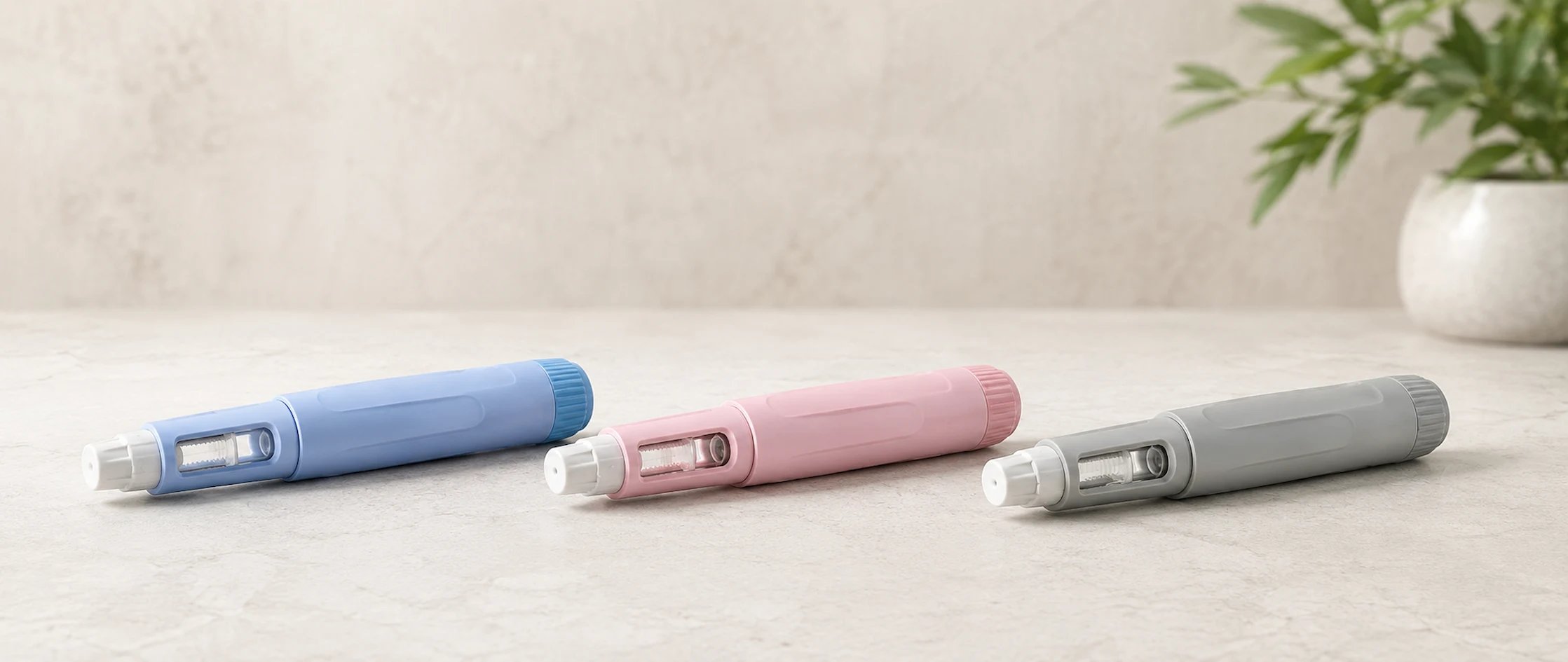
When comparing Saxenda vs Wegovy or other weight loss medications, there is no single option that is safest for everyone. Wegovy, Mounjaro and Saxenda share several gastrointestinal effects, but their dosing and some warnings differ.
Mounjaro has additional considerations around oral contraception, while Wegovy product information includes diabetic retinopathy and very rare NAION warnings.
|
Product |
Active ingredient |
Dosing |
Main safety points |
|
Wegovy |
Semaglutide |
Weekly |
Digestive effects, dehydration, gallstones and pancreatitis; diabetic retinopathy and very rare NAION are additional considerations. |
|
Mounjaro |
Tirzepatide |
Weekly |
Digestive effects, dehydration, pancreatitis and gallbladder disease; extra caution with insulin or sulfonylureas and oral contraception. |
|
Saxenda |
Liraglutide |
Daily |
Digestive effects, pancreatitis and gallbladder disease; increased heart rate is another recognised consideration. |
The choice depends on clinical background, other therapy and how the individual tolerates the drug. Comparing lists of adverse effects cannot determine which option is safest for a particular person.
How to use weight loss injections safely
Following the prescribed schedule and reporting troublesome symptoms are central to safe use. These drugs should support, not replace, a healthy diet, physical activity and sustainable habits.
Following your dosing schedule
Wegovy, Mounjaro and Saxenda all start at lower doses and increase in stages, although the schedules differ. This helps improve tolerability while the body adjusts.
Do not increase the dose faster than prescribed. In July 2026, the MHRA warned against self-escalating GLP-1 doses to speed up results. [11] If a dose is missed or side effects become difficult, follow the instructions for that specific product and ask the prescriber before making changes. Trying to force faster progress turns a clinical plan into a quick fix.
Lifestyle changes to lose weight: eating and exercise
Lifestyle changes remain important. A balanced diet should provide adequate protein, fibre, vitamins and minerals even when appetite falls. Healthy eating is more useful than extreme restriction.
Regular exercise can support cardiovascular fitness, muscle and bone health. Exercise should be appropriate to the individual and can also help maintain activity levels. If you are new to exercise, build up gradually. The aim is a long-term lifestyle that can be sustained, not a short burst of restriction.
For many patients, maintaining healthy eating and activity habits is an important part of long-term weight management alongside treatment with the injection.
How to buy weight loss injections safely in the UK
Are weight loss injections safe if bought online? Regulated weight loss injections can be supplied online, but only when the service requires a prescription and carries out an appropriate assessment. Social-media sellers and unregulated websites bypass safeguards intended to reduce the risk of counterfeit or unsuitable products. [1, 11]
The risks of unregulated sellers
The MHRA continues to warn about illegal sellers and exaggerated quick-fix claims. In February 2026, it identified falsified Mounjaro 15 mg KwikPens supplied through a UK online pharmacy. [12] Counterfeits may contain the wrong ingredient, an incorrect dose or harmful substances.
How to spot a legitimate provider
A legitimate service should collect enough information for a qualified prescriber to assess suitability and should dispense through a registered pharmacy. In Great Britain, the pharmacy can be checked on the General Pharmaceutical Council register; Northern Ireland uses the Pharmaceutical Society of Northern Ireland register.
If you want to buy Mounjaro, the consultation should be a genuine clinical step rather than a formality.
Cost can matter too, but it should not override suitability; our Mounjaro price guide covers pricing separately.
Using weight loss injections safely for the long term

Are weight loss injections safe for long-term use? There is no universal time point at which they become unsafe simply because they have been used for a certain number of months or years. Duration depends on the product, benefits, adverse effects and continuing review.
NICE currently recommends semaglutide within its specified NHS specialist pathway for a maximum of two years. That is an NHS recommendation, not evidence that semaglutide becomes unsafe after two years.
Tirzepatide does not have the same blanket two-year NICE limit; NICE advises reconsidering continuation if less than 5% of the starting weight has been lost after six months on the highest tolerated dose. Saxenda has a different stopping rule: its UK product information says to stop if at least 5% of initial body weight has not been lost after 12 weeks at 3 mg daily.
Longer-term evidence is reassuring but still developing. SELECT found sustained weight loss with semaglutide for up to four years in adults with cardiovascular disease and overweight or obesity without diabetes. [13] A 176-week SURMOUNT-1 analysis of tirzepatide in people with obesity and prediabetes found sustained reductions and no new safety signals. [14]
Weight loss can be partly reversed after stopping, and regain is common. A 2026 systematic review estimated around 0.8 kg per month in the subgroup of newer incretin drugs such as semaglutide and tirzepatide. [15] Regular check-ups and a long-term commitment to healthy habits therefore remain useful after medication changes. Long-term therapy should not be treated as either a quick fix or an automatic lifelong requirement.
How are weight loss injections tested and approved in the UK?
Before a prescription drug can be marketed as a licensed medicine in the UK, it needs a marketing authorisation. The regulatory route determines what quality, safety and efficacy evidence is required, and clinical trials form an important part of that evidence base. [16]
The MHRA regulates medicines and marketing authorisations. NICE has a different role: it evaluates evidence and makes recommendations about NHS use. A product can therefore be licensed by the MHRA without being routinely available to everyone through the NHS.
Approval does not mean zero risk. Safety information can change as new data emerge, which is why current product information, MHRA alerts and follow-up remain important.
When to see a doctor
Contact a doctor, pharmacist or prescribing service if nausea, vomiting, diarrhoea or constipation becomes persistent or difficult to manage. Repeated vomiting or diarrhoea can lead to dehydration and, in some cases, affect kidney function.
Seek urgent medical help for severe, persistent abdominal pain, particularly if it spreads to the back or occurs with vomiting, because this can signal pancreatitis. Difficulty breathing or swelling of the face, lips, tongue or throat can indicate a severe allergic reaction.
Tell the healthcare team that you use a GLP-1 drug before general anaesthesia or deep sedation. Delayed stomach emptying may leave stomach contents present during a procedure and can increase aspiration risk.
Frequently asked questions
These answers cover practical safety questions but cannot replace an individual assessment.
Can I drink alcohol while using weight loss injections?
It is best to avoid alcohol while using semaglutide or tirzepatide because it can worsen nausea and vomiting. Current NHS advice gives this guidance for both drugs. [17, 18]
Are weight loss injections safe for people with type 2 diabetes?
Yes, they can be. Tirzepatide is licensed as Mounjaro for eligible adults with type 2 diabetes, while semaglutide is used for diabetes in separate products. Extra care is needed with insulin or sulfonylureas because the combination can increase hypoglycaemia risk.
Can weight loss injections cause hair loss?
Yes. Hair loss is a recognised effect of Wegovy and Mounjaro. With semaglutide 2.4 mg, it was reported in 2.5% of participants versus 1.0% with placebo; in pooled tirzepatide weight-control studies it occurred in 4.9% versus 1.0% with placebo. Most tirzepatide cases were mild.
Can weight loss injections affect your mental health?
Current regulatory evidence does not support a causal association between GLP-1 receptor agonists and depression, suicidal thoughts, suicide or self-injury. [1, 19] Anyone experiencing a serious change in mood or thoughts of self-harm should seek appropriate medical support regardless of the suspected cause.
What is the safest weight loss injection?
There is no single safest option. The answer depends on clinical background, other drugs, pregnancy status, diabetes therapy and previous reactions. The safest choice is the one a qualified prescriber judges appropriate after individual assessment.
What are the long-term side effects of Mounjaro?
The best-established Mounjaro effects remain gastrointestinal symptoms such as nausea, diarrhoea, vomiting and constipation. Less common but potentially serious problems include pancreatitis, gallbladder disease, dehydration and severe allergic reactions.
Three-year SURMOUNT-1 data did not identify new safety signals. [14] Is it safe to take weight loss injections indefinitely? There is no universal yes-or-no answer. Continued use should depend on benefit, tolerability and regular review rather than an assumption that permanent use is either automatically safe or automatically harmful.
-
- Medicines and Healthcare products Regulatory Agency. GLP-1 medicines for weight loss and diabetes: what you need to know. Updated February 5, 2026.
- Novo Nordisk Limited. Wegovy 0.25 mg FlexTouch solution for injection in pre-filled pen: Summary of Product Characteristics. Electronic Medicines Compendium. Updated July 10, 2026.
- Eli Lilly and Company Limited. Mounjaro KwikPen: Summary of Product Characteristics. Electronic Medicines Compendium. Updated April 16, 2026.
- Novo Nordisk Limited. Saxenda 6 mg/mL solution for injection in pre-filled pen: Summary of Product Characteristics. Electronic Medicines Compendium. Updated November 27, 2025.
- Medicines and Healthcare products Regulatory Agency. GLP-1 receptor agonists and dual GLP-1/GIP receptor agonists: strengthened warnings on acute pancreatitis, including necrotising and fatal cases. Published January 29, 2026.
- Wilding JPH, Batterham RL, Calanna S, et al. Once-weekly semaglutide in adults with overweight or obesity. N Engl J Med. 2021;384(11):989-1002. doi: 10.1056/NEJMoa2032183.
- Aronne LJ, Horn DB, le Roux CW, et al. Tirzepatide as compared with semaglutide for the treatment of obesity. N Engl J Med. 2025;393(1):26-36. doi: 10.1056/NEJMoa2416394. (eCommons)
- National Institute for Health and Care Excellence. Overweight and obesity management: medicines and surgery. NICE guideline NG246. Updated January 8, 2026.
- National Institute for Health and Care Excellence. Semaglutide for managing overweight and obesity. Technology appraisal guidance TA875.
- National Institute for Health and Care Excellence. Tirzepatide for managing overweight and obesity. Technology appraisal guidance TA1026. Last updated September 1, 2025.
- Medicines and Healthcare products Regulatory Agency. No summer shortcut for safe weight loss. Published July 24, 2026.
- Medicines and Healthcare products Regulatory Agency. Falsified Mounjaro KwikPen 15 mg pre-filled pens. Published February 24, 2026.
- Ryan DH, Lingvay I, Deanfield J, et al. Long-term weight loss effects of semaglutide in obesity without diabetes in the SELECT trial. Nat Med. 2024;30(7):2049-2057. doi: 10.1038/s41591-024-02996-7. (Nature)
- Jastreboff AM, le Roux CW, Stefanski A, et al. Tirzepatide for obesity treatment and diabetes prevention. N Engl J Med. 2025;392(10):958-971. doi: 10.1056/NEJMoa2410819. (New England Journal of Medicine)
- West S, Scragg J, Aveyard P, et al. Weight regain after cessation of medication for weight control: systematic review and meta-analysis. BMJ. 2026;392:e085304. doi: 10.1136/bmj-2025-085304. (BMJ)
- Medicines and Healthcare products Regulatory Agency. Types of application for marketing authorisations (legal basis of applications).
- NHS. Semaglutide: a medicine to manage type 2 diabetes or treat obesity. Last reviewed May 15, 2026.
- NHS. Tirzepatide.
- Medicines and Healthcare products Regulatory Agency. MHRA finds evidence does not support a link between GLP-1 receptor agonists and suicidal and self-injurious thoughts and actions. Published September 4, 2024.