
How GLP-1 agonists work
GLP-1 medications are prescription treatments that imitate a gut hormone involved in appetite and blood sugar control. Different GLP-1 medications are licensed for diabetes, weight loss or both. Those GLP-1 medications aren't interchangeable just because they belong to the same family. If you are asking “what are GLP-1 medications?”, this guide explains how they work, which ones are prescribed in the UK, what clinical trials tell us and when a doctor may recommend them. [1]
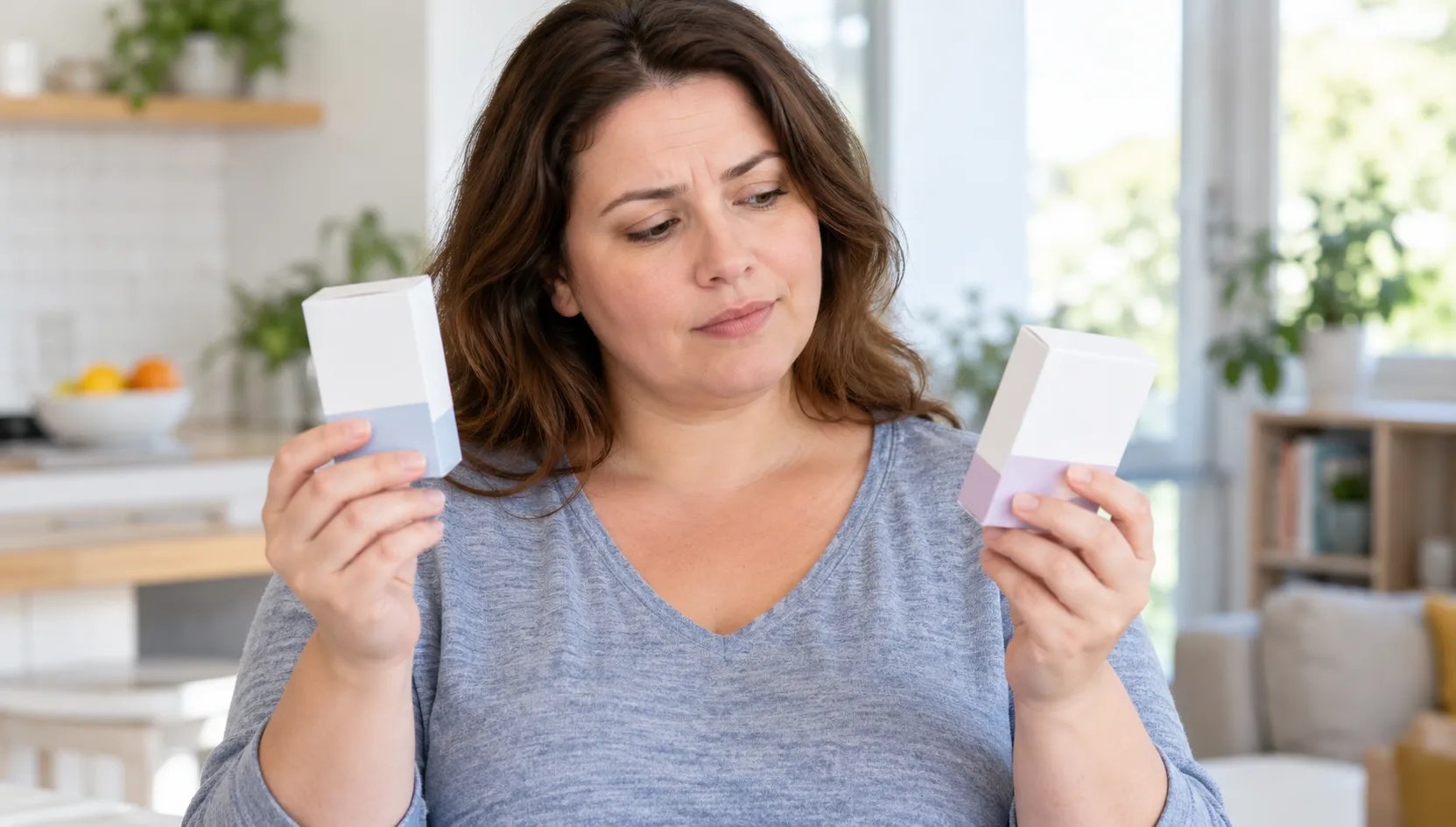
GLP-1 stands for glucagon-like peptide-1, a naturally occurring hormone released after eating. These GLP-1 agonists—also called GLP-1 receptor agonists—activate receptors used by that hormone. They prompt the pancreas to release more insulin when blood sugar rises and reduce glucagon, a hormone that raises blood sugar. The body also responds to changes in appetite and eating habits.
These GLP-1 medications help manage blood sugar levels, particularly in type 2 diabetes. The medications also act on appetite pathways in the brain and can slow digestion by delaying the movement of food from the stomach. This does not mean that every GLP-1 medication will slow digestion by the same amount. [1, 2]
Feeling fuller after eating can make smaller portions more satisfying, supporting weight loss alongside a healthy diet. GLP-1 medications do not simply burn fat, and they are not intended for rapid weight loss. Effects on blood sugar, fullness and body weight vary by medication, dose and person. Increasing a medication dose does not guarantee a better response.
For an individual weighing up weight management, the first question is whether a medicine is suitable for their health needs, not how quickly it might change the number on the scales. [1]
Tirzepatide works a little differently. In addition to GLP-1 activity, it activates receptors for glucose-dependent insulinotropic polypeptide (GIP), another naturally occurring hormone. Unlike single-target GLP-1 agonists, tirzepatide is a dual GIP/GLP-1 agonist. Both pathways influence blood sugar regulation and food intake.
When people ask “what are GLP-1 medications?”, tirzepatide is often included in the answer, although it acts on two hormone pathways. That distinction matters when comparing treatment options. The spelling “GLP1 medications” is sometimes used online for the same group. [1, 3]
Which GLP-1 receptor agonists are prescribed
In the UK, semaglutide, liraglutide and tirzepatide are prominent examples. A prescription is tied to a specific medication and indication: two brands can contain the same ingredient but be licensed for different conditions. Five medications people often encounter are Wegovy, Ozempic, Rybelsus, Nevolat and Mounjaro. Wegovy, Ozempic and Rybelsus contain Semaglutide, Nevolat contains Liraglutid, and Mounjaro contains Tirzepatide, a dual GIP/GLP-1 receptor agonist. Saxenda is anoter Liraglutide brand. These medicines have different roles. Choosing GLP-1 medications therefore means checking the brand, its indication and the treatment plan. [1]
Semaglutide
Semaglutide is used in several prescription medications, but not all of them have the same purpose. Wegovy is a weekly GLP-1 injection licensed for weight management in qualifying patients, alongside reduced-calorie eating and physical activity. The dose is increased gradually; adults generally build up to 2.4 mg weekly, with a 7.2 mg option now licensed for certain adults with obesity when clinically needed. A doctor selects the medication dose based on the product information and tolerability. [2]
Ozempic is also an injectable semaglutide medication, but its UK licence is for adults with insufficiently controlled type 2 diabetes, not weight loss alone. Rybelsus contains oral semaglutide and is licensed for type 2 diabetes. None of these GLP-1 medications should be substituted for another without a clinical review, even where the ingredient is shared. [4, 5]
Liraglutide
Liraglutide is given as a daily injection rather than a weekly one. Nevolat contains liraglutide and is licensed to help eligible adults and qualifying adolescents manage their weight. Nevolat is a daily medication given by injection, not a tablet. Saxenda is another liraglutide product for eligible people seeking to lose weight. A doctor ordinarily increases the daily medication dose in steps to improve tolerability; Nevolat's adult maintenance dose is 3 mg once daily. [6]
Liraglutide does not produce immediate weight loss. Clinical trials combining the medication with diet and activity changes measured body weight over months, not days. Nevolat's product information also includes a response check: adults should stop the treatment after 12 weeks at the 3 mg daily dose if they have not lost at least 5% of their starting weight. That decision belongs with the prescriber. [6]
Tirzepatide
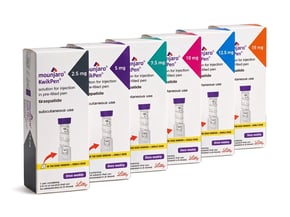
Mounjaro contains tirzepatide, which activates both GIP and GLP-1 receptors. In the UK, this once-weekly injection is licensed for type 2 diabetes and for weight loss and maintenance in adults meeting the relevant criteria. Because this medication has two hormonal targets, it is a dual agonist, not a conventional GLP-1-only medication. [3]
For adults, Mounjaro starts at 2.5 mg once weekly and usually increases to 5 mg after four weeks. A clinician may adjust the medication dose further in stages. That is the licensed starting schedule, not a reason to change your own dose. The next step depends on response, adverse effects and other medical conditions. [3]
GLP-1 medications for weight loss

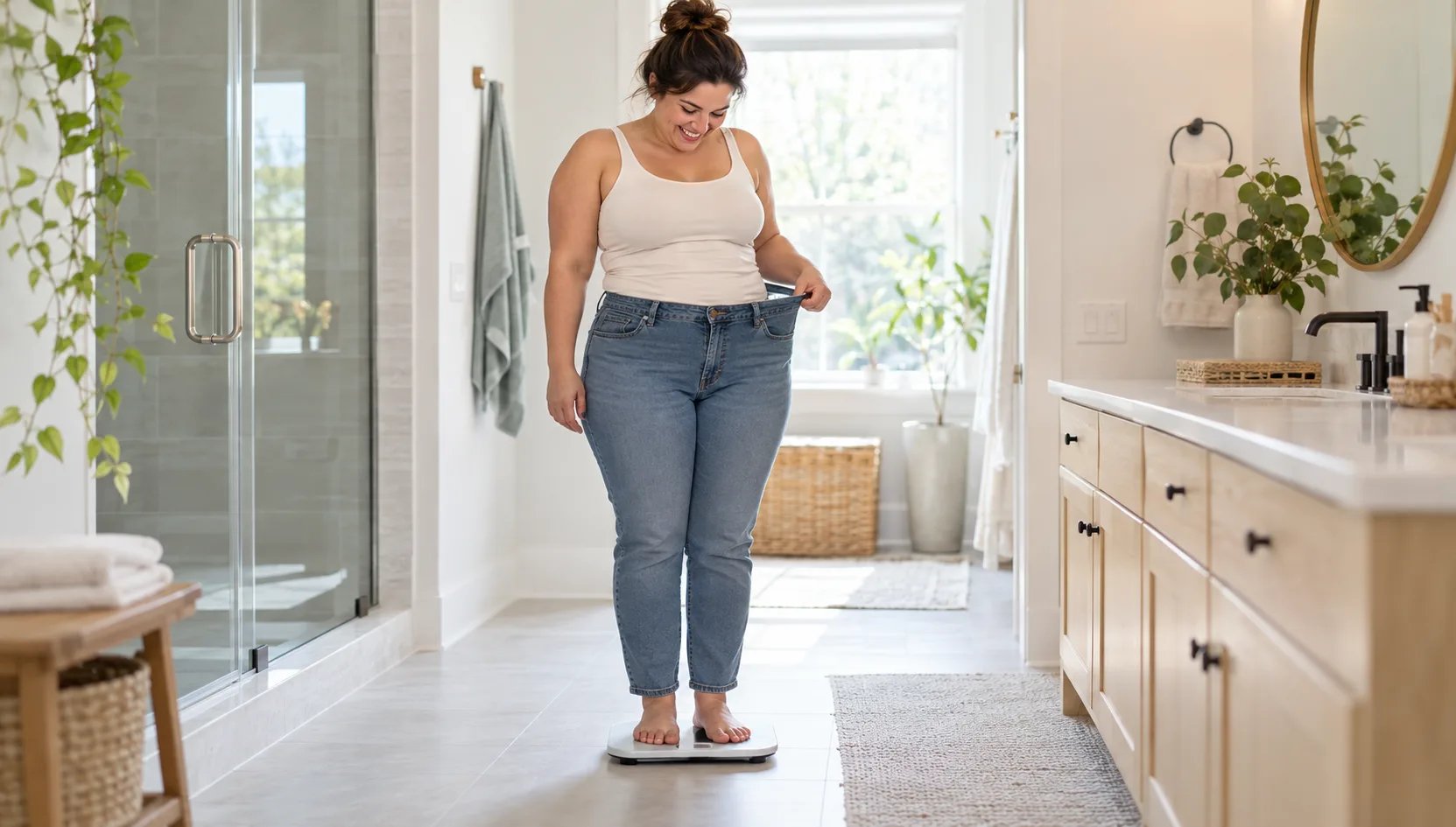
GLP-1 medications for weight loss help some eligible people reduce body weight by changing fullness and food intake. Weight loss differs between people and between products. Importantly, not every GLP-1 medication is licensed to treat obesity.
Wegovy, Mounjaro and liraglutide weight-management products have relevant UK indications; Ozempic and Rybelsus are licensed for diabetes. Weight loss medication is prescribed alongside a healthy diet, regular exercise and other lifestyle changes, not as a promise of rapid weight loss. GLP-1 for weight loss therefore means a clinically assessed treatment, rather than an instant solution. [1, 2, 3, 4, 5, 6]
Clinical trials can help set weight loss expectations. In the New England Journal of Medicine, STEP 1 included obese individuals and people with overweight plus a related health condition. Among participants without diabetes receiving semaglutide 2.4 mg weekly plus lifestyle support, mean weight loss was 14.9% of starting body weight at 68 weeks, compared with 2.4% for placebo. This was an average across a trial population, not a prediction for an individual patient. [7]
Other clinical trials give a different weight loss estimate. The New England Journal of Medicine published SURMOUNT-1, which tested tirzepatide in adults without diabetes. At 72 weeks, the group assigned to the 15 mg dose had 20.9% mean weight loss in the primary analysis; a different analysis of people following medication as planned estimated approximately 22.5%. The 22.5% figure applies to that specific analysis, not to GLP-1 medications as a class. [8]
In a 56-week trial of adults without diabetes, liraglutide 3 mg plus lifestyle changes produced an average reduction of 8.0% in an on-treatment analysis, compared with 2.6% with placebo. Nevolat's UK product information includes these results, although the study was not conducted specifically under the Nevolat brand. Clinical trials enrolled different populations, so these weight loss results cannot be treated as a direct head-to-head comparison. [6]
The claim of 21% weight loss with Wegovy over 72 weeks needs context about medication dose and study methods. A higher 7.2 mg semaglutide regimen was studied in the STEP UP trial. Its UK product information reports 18.7% average weight reduction in the main analysis, and 20.7% in an on-treatment analysis. The near-21% figure therefore describes a particular high-dose trial analysis, not an average result for all Wegovy doses. [2]
Clinical trials provide dietary support and exercise advice as well as medication. In everyday care, side effects or an insufficient response may lead someone to discontinue weight loss treatment. After stopping weight loss treatment, appetite can increase, and weight may return. Sustainable lifestyle changes are therefore important beyond the prescription.
Follow-up research after medication withdrawal found substantial regain on average, highlighting why long-term plans to maintain weight loss matter. [9]
GLP-1 medications for type 2 diabetes
GLP-1 medications can improve blood sugar control in adults with type 2 diabetes by increasing insulin release when glucose is high, reducing glucagon and, for some products, slowing gastric emptying. GLP-1 receptor agonists generally have a relatively low risk of causing hypoglycaemia when used without medicines such as insulin or sulfonylureas. When medications are combined, that risk can increase, so a doctor may need to review the diabetes regimen. [1, 3, 4, 5]
Ozempic is a weekly GLP-1 injection for type 2 diabetes; Rybelsus is an oral daily tablet for the same condition. Mounjaro is also licensed for type 2 diabetes and may support weight loss at the same time. Although some of these medicines also change body weight, a diabetes medication does not automatically share a weight loss medication’s dose, indication or evidence. You may encounter claims that 52–62% of Ozempic users lose at least 5% of their weight.
Such figures depend on the study, dose and follow-up period, so they cannot predict an individual weight loss outcome. The difference between Wegovy and Ozempic is especially important because they share semaglutide but have different licensed uses. [2, 3, 4, 5]
Diabetes can also affect sexual health. Even in their 30s, men may experience erectile dysfunction: common signs include repeatedly struggling to get or keep an erection. Those symptoms need assessment in their own right; GLP-1 medications are not prescribed as medication to treat erectile dysfunction. [10]
For someone with kidney disease, choosing GLP-1 medications requires individual review. Some GLP-1 receptor agonists have kidney-related evidence or renal cautions, and vomiting or diarrhoea can lead to dehydration and worsening kidney function. People who already take insulin must not stop or change that medication dose on their own. A doctor considers blood sugar readings, current medication, other medical conditions and kidney function before starting treatment. [1, 3, 4]
Explore related treatments
View all products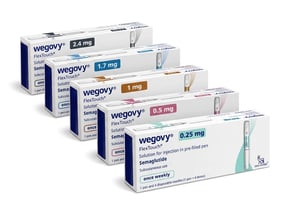
How GLP-1 medications are taken
Depending on the product, GLP-1 medications come as GLP-1 injections under the skin or as oral tablets. Medication route, starting dose, increase schedule and missed-dose instructions are not identical across brands. Follow the prescribed medication dose and check the product leaflet for your next dose, rather than relying on a generic online timetable. [1, 2, 3, 5, 6]
A weekly injection
Among weight loss injections, Wegovy and Mounjaro are given weekly under the skin; Ozempic also uses a weekly injection, but is licensed for diabetes. Injection areas include the abdomen, thigh and upper arm. Other GLP-1 medications, including Nevolat, require injections every day. These GLP-1 injections are not interchangeable.
Anyone using weight loss injections needs to follow the medication schedule for their own product. A pharmacist or doctor can demonstrate how to use the medication pen, vary where the medication is injected and dispose of used needles safely. Redness or itching around the injection site is possible. [2, 3, 4, 6]
The medication dose usually starts low and rises in stages so that the body has time to adjust, particularly to digestive side effects. Someone should not take an extra injection on the same day to compensate for a missed one, and should not double the next dose. Instead, consult the leaflet for that exact medication or ask the dispensing clinician: different medicines have different missed-dose windows.
Understanding weight loss injections safety can help with pen handling and recognising symptoms that need medical advice. [1, 2, 3]
A daily tablet
Rybelsus is a once-daily oral semaglutide medication licensed for type 2 diabetes. Current UK Rybelsus tablets use 1.5 mg, 4 mg and 9 mg strengths. The former 3 mg, 7 mg and 14 mg tablets were expected to be largely depleted by January 2026, although imported older stock may remain.
The newer tablets are more readily absorbed, so their lower strength numbers provide an equivalent effect at the corresponding old dose: 1.5 mg replaces 3 mg, 4 mg replaces 7 mg, and 9 mg replaces 14 mg. They are not interchangeable milligram for milligram. Ask a pharmacist or doctor to check the formulation; do not take extra tablets to match an old prescription. [5, 11]
Take this GLP-1 medication on an empty stomach with a small amount of water, then wait at least 30 minutes before food, other drinks or other oral medication. That timing matters for medication absorption. An oral medication is not necessarily a weight loss medication: Rybelsus is licensed in the UK for type 2 diabetes, not for weight loss. [5]
Who can take GLP-1 medications?

Eligibility depends on the specific medication and reason for prescribing, not just someone's wish to lose weight. For adult weight loss, Wegovy, Mounjaro and Nevolat have licensed starting criteria that generally include a body mass index (BMI) of 30 or above, or 27 or above with at least one weight-related condition, such as high blood pressure or obstructive sleep apnoea.
A BMI of 25 with another condition does not automatically meet those licence criteria. BMI is one part of the assessment, not a substitute for clinical judgement. [2, 3, 6]
Being eligible under a medicine’s licence does not automatically mean it is available through the NHS. The National Institute for Health and Care Excellence (NICE) recommends semaglutide for weight loss under specific criteria, including a specialist weight management service and a maximum of two years in that pathway.
NHS England's current tirzepatide commissioning guidance describes phased access in primary care, prioritising people with higher BMI and multiple weight-related health conditions. Not everyone meeting the licensed criteria qualifies for NHS treatment immediately. [12, 13]
A doctor also reviews pregnancy plans, medicines and underlying illness. GLP-1 medications should not be used by someone pregnant. Anyone who becomes pregnant while taking these medications should contact their clinician; a person planning pregnancy needs individual advice on when to stop: the recommended interval differs between semaglutide, tirzepatide and liraglutide.
Mounjaro may also reduce the reliability of oral contraception after starting or increasing a dose, so additional precautions may be needed. People with kidney disease, a history of pancreatitis or significant digestive disease need particular assessment. [1, 2, 3, 6]
The most common side effects are digestive: feeling sick (nausea), vomiting, diarrhoea or constipation. These symptoms often occur when a dose is increased and may settle as the body adjusts, but persistent vomiting can cause dehydration, especially if a person has kidney disease.
In tirzepatide weight-management trials, more than half of participants reported digestive side effects, mostly while the dose was being increased. Rates were lower in the type 2 diabetes trials. [3]
A mild allergic reaction and local skin irritation can occur; a severe reaction with breathing difficulty needs emergency help. [2, 3, 6]
Other serious side effects require prompt attention. Sudden, severe and persistent abdominal pain, sometimes radiating to the back, can suggest acute pancreatitis, an inflamed pancreas, and needs urgent medical assessment.
The Medicines and Healthcare products Regulatory Agency guidance explains the risks of these medications, while its January 2026 alert strengthened warnings about rare severe pancreatitis cases. Sudden loss of vision while taking semaglutide also warrants urgent assessment because of a very rare optic-nerve condition. [1, 14]
For suitable patients, the potential benefits of GLP-1 medications need to be weighed against side effects and monitored over time as part of treatment. Lifestyle changes, including food choices and safe exercise, remain part of treatment. A doctor can help plan follow-up, assess response and prepare for what happens when treatment ends. Long-term weight management also depends on healthy lifestyle changes beyond the medication. [1]
FAQs
These answers clarify prescribing, differences between medicines and the symptoms that need attention.
Is Mounjaro a GLP-1 medication?
Yes, in everyday usage, Mounjaro is grouped with GLP-1 medications, but technically tirzepatide targets both GIP and GLP-1 receptors. In the UK, Mounjaro is prescribed as a once-weekly injection for type 2 diabetes and for medically supervised weight management in eligible adults. A doctor assesses whether it is appropriate for the intended treatment. [3]
Is Ozempic the same as Wegovy?
No. Both contain semaglutide and are given by injection, but Ozempic is licensed for type 2 diabetes while Wegovy has a weight-management indication. Their dose schedules, clinical uses and suitability cannot be assumed to be the same. [2, 4]
Do GLP-1 medications need a prescription?
Yes. These GLP-1 medications are prescription-only in the UK. A prescriber should assess the patient's health, current treatments and suitability, and provide instructions for the dose and follow-up. Buying unverified GLP-1 medications online creates avoidable safety risks. [1]
Can two GLP-1 medications be taken together?
Generally, no. Combining GLP-1 receptor agonists, or adding another GLP-1 treatment to Mounjaro, is not an established routine treatment and should not be done without specialist direction. Increasing the dosage does not guarantee extra weight loss and could increase side effects. Anyone considering switching should ask their doctor to plan the change. [1, 2, 3]
What side effects can GLP-1 medications cause?
The most common side effects include nausea, vomiting, diarrhoea, constipation and irritation at the injection site; their frequency varies by medication and dose. Rare but serious reactions include pancreatitis and dehydration-related kidney problems. Seek urgent help for severe persistent abdominal pain, sudden vision loss or a suspected severe allergic reaction. A clinician can discuss benefits and risks before prescribing. [1, 2, 3, 6, 14]
GLP-1 medications can help with diabetes management or clinically appropriate weight loss, but the right choice depends on your health, the product’s licence and the support available. Ask a healthcare professional whether an approved prescription fits your health goals, and plan how weight and blood sugar will be monitored rather than expecting a quick fix.
-
1. Medicines and Healthcare products Regulatory Agency. GLP-1 medicines for weight loss and diabetes: what you need to know. Updated February 5, 2026. MHRA guidance
2. Novo Nordisk A/S. Wegovy 7.2 mg solution for injection in pre-filled pen: Summary of Product Characteristics. Electronic Medicines Compendium. Revised September 2026. UK product information
3. Eli Lilly and Company. Mounjaro KwikPen (multiple strengths): Summary of Product Characteristics. Electronic Medicines Compendium. UK product information
4. Novo Nordisk A/S. Ozempic 1 mg solution for injection in pre-filled pen: Summary of Product Characteristics. Electronic Medicines Compendium. Revised July 2026. UK product information
5. Novo Nordisk A/S. Rybelsus 4 mg tablets: Summary of Product Characteristics. Electronic Medicines Compendium. Revised April 2026. UK product information
6. Zentiva Pharma UK Ltd. Nevolat 6 mg/mL solution for injection in pre-filled pen: Summary of Product Characteristics. Electronic Medicines Compendium. Revised December 2025. UK product information
7. Wilding JPH, Batterham RL, Calanna S, et al. Once-weekly semaglutide in adults with overweight or obesity. N Engl J Med. 2021;384:989-1002. doi:10.1056/NEJMoa2032183
8. Jastreboff AM, Aronne LJ, Ahmad NN, et al. Tirzepatide once weekly for the treatment of obesity. N Engl J Med. 2022;387:205-216. doi:10.1056/NEJMoa2206038
9. Wilding JPH, Batterham RL, Davies M, et al. Weight regain and cardiometabolic effects after withdrawal of semaglutide: The STEP 1 trial extension. Diabetes Obes Metab. 2022;24(8):1553-1564. doi:10.1111/dom.14725
10. NHS. Erectile dysfunction (impotence). NHS erectile dysfunction guidance
11. Medicines and Healthcare products Regulatory Agency. Rybelsus (semaglutide tablets): transition to new formulation and risk of medication error. Drug Safety Update. December 17, 2025. MHRA guidance
12. National Institute for Health and Care Excellence. Semaglutide for managing overweight and obesity. Technology appraisal guidance TA875. 2023. NICE guidance
13. NHS England. Interim commissioning guidance: implementation of NICE TA1026 and the NICE funding variation for tirzepatide. Updated April 2, 2026. NHS England guidance
14. Medicines and Healthcare products Regulatory Agency. GLP-1 receptor agonists and dual GLP-1/GIP receptor agonists: strengthened warnings on acute pancreatitis. January 29, 2026. MHRA guidance