

What are the benefits of Wegovy?
Wegovy contains semaglutide, a prescription GLP-1 medicine that reduces appetite and helps eligible people lose weight. Its effect on hunger can support weight loss over time. Alongside its weight-management role, clinical trials show that it can improve certain cardiovascular risk factors and reduce major heart events in some adults who already have cardiovascular disease. Other proposed benefits are less certain, so the distinction between proven results and emerging research matters. [1]
The active ingredient influences the body's signals for hunger and fullness, helping some people feel satisfied with smaller meals. Wegovy is a weekly injection used alongside a reduced-calorie diet and increased physical activity. In the UK, it also has specific cardiovascular and liver indications. Here we explain what Wegovy can, and cannot, be expected to do, who may benefit and when medical advice is needed. [1]
For eligible adults with established heart disease, the advantages of Wegovy may include heart health benefits as well as weight management. It is not a guarantee of heart disease prevention or a shortcut to a healthy weight. The benefits of Wegovy for weight loss have to be balanced against side effects, access, ongoing costs and the possibility of regain after treatment ends. [1]
Weight loss benefits of Wegovy
For eligible adults who are overweight or obese, losing body weight may make everyday activities easier. The Wegovy weight loss benefits recorded in studies are averages, however, not a timetable for individual results. This weight loss medication is intended to support an ongoing plan, rather than turn a weight loss journey into a race. [1, 2]
Appetite, fullness and food cravings
Semaglutide acts on brain pathways involved in appetite. Many patients find that smaller portions leave them satisfied and food cravings become less distracting. That can make healthier eating habits easier to maintain, although responses vary and balanced meals still matter. These positive effects of Wegovy support dietary changes; they do not replace them. [1]
Wegovy cannot target fat in a particular part of the body. Like other weight loss injections, it affects appetite and overall fat mass rather than selecting the stomach. As weight decreases, waist size and abdominal fat may also fall, although everybody loses fat differently.
So does Wegovy get rid of tummy fat or reduce belly fat? It may reduce both as part of overall weight loss, but it cannot promise a flatter stomach. Less excess weight may also make movement easier; that is not the same as treating joint disease. [1, 2]
What the studies show
In STEP 1, published in the New England Journal of Medicine, adults without diabetes using semaglutide 2.4 mg with lifestyle support lost 14.9% of their starting body weight on average after 68 weeks. The placebo group lost 2.4%. These weight loss figures from clinical trials are often summarised as about 15% over 15 months. They describe a group average—not what any one person should expect at a particular date. [2]
There is no standard answer to how quickly you can lose weight, say, 20 lb (about 9 kg) or how much you might lose in three months. Your starting weight, dose escalation, side effects and response all matter. Early doses are deliberately small, so immediate rapid weight loss should not be the expectation. The explanation of how long Wegovy takes to workcan help you frame sensible questions for your prescriber rather than chase a trial average. [1, 2]
Explore related treatments
View all products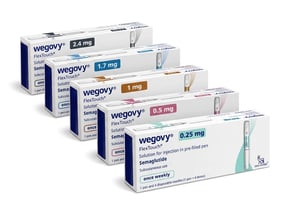
Heart health benefits
The clearest heart health evidence for Wegovy treatment concerns adults who already have cardiovascular disease. In an eligible group with established disease and a BMI of at least 27, semaglutide can reduce the risk of major cardiovascular events. This is a defined UK indication, not evidence that every person taking Wegovy will avoid a heart attack. [1, 3]
Heart attack and stroke risk
SELECT, reported in the New England Journal of Medicine, followed 17,604 overweight or obese adults with established cardiovascular disease and no diabetes. Over a median of 39.8 months, cardiovascular death, non-fatal heart attack, or non-fatal stroke occurred in 6.5% of participants taking semaglutide, compared with 8.0% taking placebo. That means treatment helped reduce the risk by 20% in relative terms for this combined outcome, an absolute difference of about 1.5 events per 100 participants during follow-up. The result does not automatically apply to overweight adults without established disease. [3]
The 20% result should not be mistaken for a proven 20% reduction in heart related death alone. Cardiovascular deaths were 2.5% with semaglutide and 3.0% with placebo; that individual comparison did not reach the trial's required threshold for statistical significance. The most secure conclusion is about the combined outcome, not each of its components. [3]
The National Institute for Health and Care Excellence cardiovascular guidance sets out which adults with established disease may be offered semaglutide through the NHS. Being within the medicine's licence is not necessarily the same as qualifying for NHS access. A doctor should review your risk, existing medicines and wider cardiovascular health. Do not stop prescribed heart treatment unless your clinician advises it. [4]
Blood pressure and cholesterol
Trials have found that Wegovy can lower blood pressure on average and improve waist measurements and cholesterol levels, including LDL cholesterol. These changes may support heart health, but individuals respond differently. People taking treatment for high blood pressure or high cholesterol should continue it unless their clinician recommends a change. [1]
Researchers are still investigating how much of Wegovy's cardiovascular benefit comes from losing weight and how much reflects other actions of semaglutide. Studies also report lower C-reactive protein (CRP), a marker of inflammation. Does Wegovy help inflammation in the body? The CRP finding is encouraging, but it does not show that the medicine removes inflammation from arteries or guarantees better heart health for everyone. [1, 3]
Other health benefits beyond weight loss

Research shows additional health benefits in certain settings, but beyond the established uses, the evidence becomes more varied. Some metabolic findings come from different semaglutide doses, while others come from observational studies rather than controlled trials. Each claim needs to be understood in its own clinical context before being described as another of Wegovy's health benefits. [1]
Blood sugar and type 2 diabetes risk
Semaglutide helps regulate blood sugar by encouraging insulin release when glucose is raised and reducing glucagon. In studies involving people with prediabetes, more participants using Wegovy returned to blood sugar levels below the prediabetes threshold than those taking placebo.
SELECT also found fewer participants meeting a laboratory definition of diabetes during follow-up. This is promising, but it does not turn Wegovy into a substitute for prescribed antidiabetic medications. [1, 3]
People without diabetes may see lower blood sugar levels, especially when they begin with high blood sugar levels. That does not make the medicine appropriate for everyone concerned about future diabetes. If you take insulin or a sulfonylurea, your doctor must consider the extra risk of hypoglycaemia when planning treatment. [1]
Kidney health
Persistently high blood sugar can harm the kidneys, and chronic kidney disease can eventually lead to kidney failure. In FLOW, people with type 2 diabetes and chronic disease of the kidney received semaglutide 1 mg, not the usual Wegovy weight-management dose.
In the FLOW study, Semaglutide 1 mg reduced the risk of serious kidney problems, major kidney function loss or death by 24% compared with placebo in people with type 2 diabetes and chronic kidney disease. That result cannot be generalised into a claim that Wegovy reduces kidney disease progression by 24% for everybody. [5] Kidney Research UK estimates that roughly one in three people with diabetes may develop kidney disease during their lifetime; this is background risk, not a trial outcome for Wegovy. [6]
SELECT offered an additional, exploratory signal concerning kidney outcomes in people without diabetes, but the likely benefit for an individual remains uncertain. There is also a practical safety point: vomiting or diarrhoea can cause dehydration and worsen kidney function. If you cannot keep fluids down, seek medical advice promptly. [1, 3]
Sleep and everyday wellbeing
Extra weight may worsen snoring and obstructive sleep apnoea (sometimes written sleep apnea). If you lose weight, snoring and sleep-apnoea symptoms may improve, while everyday movement may feel easier. Wegovy is not established as a substitute for CPAP or as a specific sleep-apnoea treatment. Evidence about sleep-apnoea scores in adolescents should not be treated as proof of the same effect in adults. [1]
Why do some people report feeling better during Wegovy treatment? Eating habits, mobility or confidence may change as their weight falls, but improved mood is not a proven direct drug effect. There is more specific evidence for one type of heart failure: among people with weight-related heart failure with preserved ejection fraction, semaglutide improved symptoms and physical limitations. Those results do not extend to every form of heart failure. [1, 7]
Early research on liver and brain health
Liver health is one area where evidence has led to a new UK indication. In July 2026, the Medicines and Healthcare products Regulatory Agency (MHRA) approved Wegovy for certain adults with non-cirrhotic metabolic dysfunction-associated steatohepatitis (MASH) and moderate-to-advanced liver fibrosis. That does not make it a treatment for every fatty-liver condition. The regulator's MASH approval announcement sets out the specified patient group. [8]
The picture for brain health is much less encouraging. Although observational findings have suggested lower dementia rates with some GLP-1 drugs, two large phase 3 trials of oral semaglutide found no slowing of clinical decline in early Alzheimer's disease. Claims about a 40–70% reduction in Alzheimer's disease risk, reduced amyloid build-up, or protection against brain inflammation do not establish a benefit from Wegovy. Further research is needed; it should not be presented as an Alzheimer's treatment. [9]
Another developing area is addiction research. In a 2026 trial involving people with obesity and an alcohol use disorder, the proportion of heavy-drinking days fell by 41.1 percentage points from baseline with weekly semaglutide, compared with 26.4 points with placebo. These figures do not mean 41% less daily drinking, and the often-repeated 39% alcohol-craving figure is not a general treatment estimate.
Research suggests possible effects on nicotine cravings too, but neither alcohol nor nicotine dependence is a licensed Wegovy indication. [10]
Observational research in type 2 diabetes has linked GLP-1 receptor agonists with fewer cases of colorectal cancer. One comparison reported about 44% lower risk than insulin use, but it assessed a drug class, not Wegovy in a randomised prevention trial. A separate 25% claim about semaglutide and colon cancer does not establish a causal effect either. More research is needed before anyone can claim that Wegovy prevents colon cancer. [11]
When Wegovy is worth considering
Is Wegovy worth it? That depends on which clinical benefit matters to you and what the treatment would involve. For someone whose obesity or excess weight is contributing to medical risk, particularly their heart health, the advantages may be meaningful. Weighing Wegovy pros and cons also means accounting for regular injections, possible adverse effects, monitoring and what happens when treatment stops.
If the question is 'why take Wegovy?', the answer should come from a shared clinical discussion, not a promise of quick results. [1]
For weight management on the NHS, NICE TA875 limits semaglutide to defined criteria, generally through a specialist weight management service and for up to two years within that pathway. A separate 2026 NICE recommendation concerns reducing major cardiovascular events in certain adults with established disease. NHS access for one indication does not imply access for another. [4, 12]
In the STEP 1 extension, substantial weight regain occurred after participants stopped semaglutide. Before starting a new treatment, discuss nutrition, activity, follow-up and what they will do if the injections end. This plan matters as much as the first prescription. [13]
Who can benefit from Wegovy?
For adult weight management, the UK licence generally covers people with a BMI of 30 or higher, or 27 or higher alongside a weight-related condition. Separate indications address certain adults with established cardiovascular disease and a BMI of at least 27, and specific MASH cases. Some adolescents aged 12 or older with obesity and a body weight above 60 kg may also be eligible. A diagnosis or BMI threshold alone does not establish that the medicine is right for you. [1]
What someone values most may be appetite control, weight loss or a lower risk of an event linked to heart disease. A medically reviewed assessment should consider current medicines, pregnancy plans, digestive illness and past pancreatitis, as well as personal preferences. Your healthcare team can discuss whether weight loss treatment is appropriate and what benefits are realistic. [1]
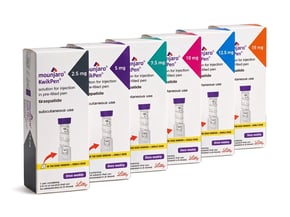
When considering Wegovy or Mounjaro, the active ingredient is an important difference: Wegovy contains semaglutide, and Mounjaro contains tirzepatide. In a 72-week head-to-head trial involving obese adults without diabetes, participants lost an average of 20.2% with tirzepatide and 13.7% with semaglutide. That does not make one medicine universally better or establish equal benefits for particular heart conditions. [14]
Side effects to know and when to get help

Nausea, vomiting, diarrhoea, constipation and abdominal discomfort are among the common side effects of Wegovy, especially as the body adjusts to higher doses. Some people also notice irritation where they inject, including sites on the abdomen, thigh and upper arms. Persistent or troublesome symptoms deserve a conversation with a prescriber. [1]
Seek urgent help for persistent, severe abdominal pain, which can signal pancreatitis, or for sudden loss of vision. Repeated vomiting or diarrhoea can cause dehydration, particularly concerning in people with kidney problems. Breathing difficulties after a suspected allergic reaction require emergency care. Wegovy must not be used during pregnancy, and the UK product information advises stopping semaglutide at least two months before trying to conceive. [1]
Readers may also have seen warnings about medullary thyroid cancer. Rodent studies found thyroid C-cell tumours, but the relevance to humans is uncertain; the UK product information does not establish that Wegovy causes medullary thyroid cancer in people. Tell your clinician about any relevant personal or family history rather than applying a warning from another country's leaflet without context. [1]
Wegovy is not a replacement for established treatment of heart disease, diabetes or kidney problems. A safe plan includes monitoring, manageable lifestyle changes and knowing when to seek help for adverse effects. [1]
FAQs
These answers explain the clinical evidence and what treatment involves.
Do the heart benefits of Wegovy depend on how much weight you lose?
Not necessarily. SELECT showed a reduction in a combined cardiovascular outcome, but it did not establish how much of that effect came from weight change versus other mechanisms. Nor does it prove that weight has no role. These heart health benefits are demonstrated most clearly in adults with existing heart disease. [1, 3]
What are the main benefits of taking Wegovy?
The main Wegovy benefits are support for weight management and fewer major cardiovascular events in specific eligible adults. There is also a defined UK MASH indication. Possible protection against Alzheimer's disease or colon cancer is not established. Which benefit matters most depends on your health and eligibility. [1, 8, 9]
Does Wegovy help with blood sugar if I do not have diabetes?
It can. In some people with prediabetes, semaglutide improves blood sugar measures, but Wegovy is not prescribed to everyone solely to prevent diabetes. The response depends on starting blood sugar and other medicines. [1, 3]
How do the benefits of Wegovy compare with Mounjaro?
In one direct trial, participants taking Mounjaro's active ingredient lost more weight on average than those using semaglutide. That does not settle which treatment is appropriate for you: their indications, safety considerations and evidence for other health outcomes differ. [14]
Do I still need diet and exercise to get the benefits?
Yes. Wegovy is used alongside a reduced-calorie diet and increased physical activity, not instead of them. Those habits help support results over time, particularly if medication ends. Your prescriber should also review progress and side effects. [1, 13]
Wegovy advantages are meaningful only when they apply to your circumstances, not in every promising research headline. It can support sustained weight loss, and it offers specific cardiovascular and liver benefits to defined patient groups. A good decision considers eligibility, safety, realistic expectations and a plan beyond the first prescription.
-
1. Novo Nordisk Limited. Wegovy 2.4 mg FlexTouch solution for injection in pre-filled pen: Summary of Product Characteristics. Electronic Medicines Compendium. Updated September 22, 2026. UK product information.
2. Wilding JPH, Batterham RL, Calanna S, et al. Once-weekly semaglutide in adults with overweight or obesity. N Engl J Med. 2021;384:989-1002. doi:10.1056/NEJMoa2032183.
3. Lincoff AM, Brown-Frandsen K, Colhoun HM, et al. Semaglutide and cardiovascular outcomes in obesity without diabetes. N Engl J Med. 2023;389:2221-2232. doi:10.1056/NEJMoa2307563.
4. National Institute for Health and Care Excellence. Semaglutide for reducing the risk of major adverse cardiovascular events in people with cardiovascular disease and overweight or obesity. Technology appraisal guidance TA1152. Published May 7, 2026. NICE guidance.
5. Mann JFE, Rossing P, Bakris G, et al. Effects of semaglutide with and without concomitant SGLT2 inhibitor use in participants with type 2 diabetes and chronic kidney disease in the FLOW trial. Nat Med. 2024;30:2849-2856.doi:10.1038/s41591-024-03133-0.
6. Kidney Research UK. Diabetes and kidney disease: how diabetes affects your kidneys. Kidney Research UK guidance.
7. Kosiborod MN, Abildstrøm SZ, Borlaug BA, et al. Semaglutide in patients with heart failure with preserved ejection fraction and obesity. N Engl J Med. 2023;389:1069-1084. doi:10.1056/NEJMoa2306963.
8. Medicines and Healthcare products Regulatory Agency. Semaglutide (Wegovy) approved to treat form of liver disease. Published July 3, 2026. MHRA announcement.
9. Cummings JL, Atri A, Sano M, et al. Efficacy and safety of oral semaglutide 14 mg in early-stage symptomatic Alzheimer's disease (evoke and evoke+): two phase 3 randomised trials. Lancet. 2026;407:2167-2179.doi:10.1016/S0140-6736(26)00459-9.
10. Klausen MK, Justesen SK, Pedersen JN, et al. Once-weekly semaglutide versus placebo in patients with alcohol use disorder and comorbid obesity. Lancet. 2026;407:1687-1698. doi:10.1016/S0140-6736(26)00305-3.
11. Wang L, Wang W, Kaelber DC, Xu R, Berger NA. GLP-1 receptor agonists and colorectal cancer risk in drug-naive patients with type 2 diabetes. JAMA Oncol. 2024;10(2):256-258. doi:10.1001/jamaoncol.2023.5573.
12. National Institute for Health and Care Excellence. Semaglutide for managing overweight and obesity. Technology appraisal guidance TA875. Updated September 4, 2023. NICE guidance.
13. Wilding JPH, Batterham RL, Davies M, et al. Weight regain and cardiometabolic effects after withdrawal of semaglutide: The STEP 1 trial extension. Diabetes Obes Metab. 2022;24(8):1553-1564. doi:10.1111/dom.14725.
14. Aronne LJ, Horn DB, le Roux CW, et al. Tirzepatide as compared with semaglutide for the treatment of obesity. N Engl J Med. 2025;393:26-36. doi:10.1056/NEJMoa2416394.