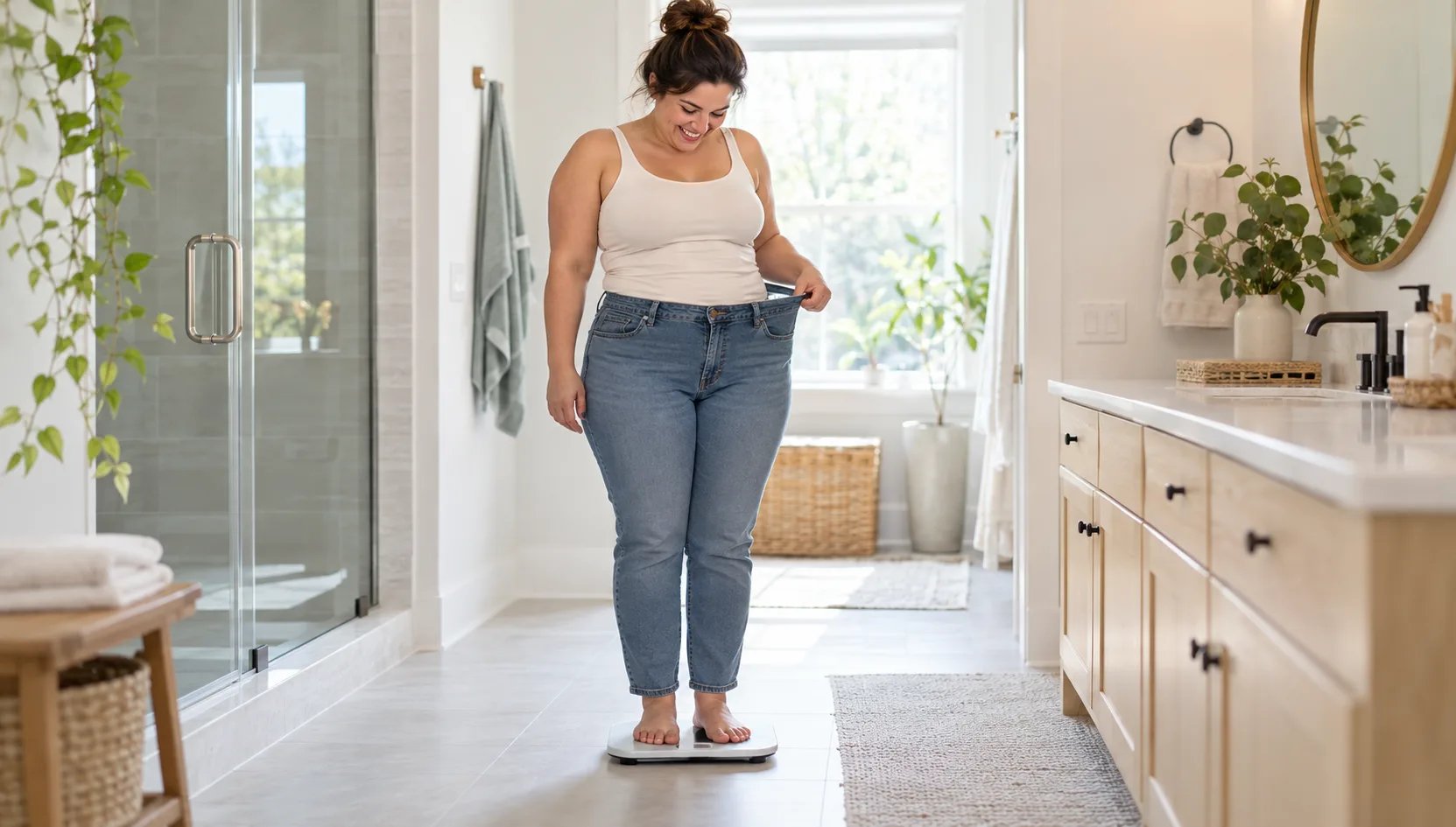

Are you really in a calorie deficit?
Why am I not losing weight? It is one of the most common questions on any weight loss journey, and it can feel deeply frustrating when you are eating fewer calories and moving more. The good news is that there is usually an explanation. Body weight changes when calorie intake and energy expenditure are out of balance, so even small gaps between what you think you are doing and what is actually happening can stop your weight loss progress. Sometimes the cause is simple, such as hidden calories or poor sleep. Occasionally it is medical. This guide walks through the most common reasons, from calorie counting mistakes to a weight loss plateau, and explains what to try next.
A calorie deficit means your calorie intake is lower than your total daily energy expenditure. This includes resting energy expenditure, the energy used to digest and process food, structured exercise and everyday movement, such as walking or standing. Your resting metabolic rate accounts for the largest share. If your food intake creeps up, or your overall energy expenditure drops, the gap closes and the scales stop moving.
Hidden calories in food and drink
Most people underestimate how much they eat. In a well-known study of people who said they could not lose weight on a low intake, participants under-reported their food intake by almost half and over-reported their physical activity by around half [1]. That does not mean anyone is being dishonest. Portions are hard to judge, and small extras add up quickly.
Common sources of hidden calories include:
- Cooking oil, butter and dressings
- Milky coffees, juices, smoothies and sugary drinks
- Alcohol, which adds energy without making you feel full
- Handfuls of nuts, granola and other so-called healthy snacks
- Weekend meals and takeaways that cancel out a weekday deficit
The type of food matters too. In a controlled trial, adults offered ultra processed foods ate roughly 500 more calories a day than when offered minimally processed meals, and gained weight [2], which is why diet quality is often listed among the reasons for obesity. Building your plan around a balanced diet of whole, healthy foods makes it easier to eat fewer calories without feeling constantly hungry. A food diary, kept honestly for two weeks, is one of the quickest ways to spot where extra calories are coming from.
Why am I not losing weight on a calorie deficit?
If you are sure you are tracking accurately and still ask "why am I not losing weight on a calorie deficit?", consider the following:
- The deficit is too small. A gap of only a few dozen calories a day may lead to a very gradual weight loss that is difficult to distinguish from normal fluctuations on the scales.
- Water retention. Salt, hormones, stress and new exercise can all make you hold fluid, which hides fat loss for days or even weeks.
- Normal fluctuation. Body weight can vary by a kilo or two within a day, so judge weight loss progress over weeks, not days.
- Unrealistic expectations. Healthy weight loss is generally around 0.5 to 1 kg a week. Rapid weight loss early on is often water rather than fat.
- Slower change than the old rules suggest. The familiar idea that a fixed daily deficit always produces the same weekly loss does not hold over time, because the body adapts as weight falls [3].
Losing weight takes time, and sustainable weight loss is rarely a straight line.
Exercising but not losing weight
If you are exercising but not losing weight, you are in good company. Many people ask, "why am I not losing weight even though I exercise?" or "why am I not losing weight working out?" There are several likely reasons.
First, exercise burns fewer calories than most people expect, and fitness trackers often overestimate calories burned. A 30-minute jog may use a few hundred calories, which is easily matched by a snack or a sweet drink afterwards. Second, many of us compensate without noticing. After a hard session we eat more calories, or we move less for the rest of the day, so overall energy expenditure barely changes.
Third, your body composition may be improving even when the scale stays still. Weight training and other resistance training build muscle mass, which is denser than fat. You can lose body fat and gain muscle at the same time, and this can mask fat loss on the scales. Measuring your waist, checking how your clothes fit and taking monthly photos give a fuller picture than weight alone.
If your exercise routine is the same every week, your body also becomes efficient at it. A mix of cardio exercises, such as brisk walking, cycling or swimming, plus two sessions of resistance training a week, is a sound exercise plan for most adults. Eating protein at each meal supports muscle mass while you lose fat, and protein rich foods such as eggs, fish, beans, lentils and Greek yoghurt also keep you fuller for longer. Research suggests a higher protein intake during a calorie deficit helps people preserve lean tissue [4].
Finally, build movement into everyday life. Walking more, taking the stairs and standing up regularly add to your total daily energy expenditure without the need for extra gym time. Consistent exercise habits matter more than occasional intense effort.
Explore related treatments
View all products
How sleep, stress and habits affect weight loss
What you do away from the kitchen and the gym can shape your results just as much as what you eat.
Poor sleep. Short sleep can affect appetite regulations and food choices. Some studies have found changes in leptin and ghrelin levelt after sleep restriction, although these hormonal effects are not consistent across all studies [5]. In another study, dieters sleeping 5.5 hours a night lost around 55% less fat than those sleeping 8.5 hours, even on the same calorie intake, and lost more lean mass [6]. Most adults need seven to nine hours.
Stress. Ongoing stress can affect appetite and increase cravings for high-calorie foods. It may also influence body weight through changes in sleep, eating habits and activity; the effects on fat distribution vary between individuals. Stress also disrupts sleep and can lead to emotional eating, so it is common for stress to make it harder to lose weight.
Daily eating habits. Eating quickly, grazing, skipping meals and then overeating in the evening can push intake above what you planned. Planning meals, keeping healthy snacks to hand and eating without screens can make your eating habits more predictable.
Alcohol and liquid calories. Even moderate drinking adds calories and lowers inhibitions around food.
A healthy lifestyle is built on small routines that you can keep for months, not weeks. That is the foundation of healthy weight loss, and of keeping weight off afterwards.
Weight loss plateau: why progress stalls

A weight loss plateau is when your weight stays the same for several weeks even though you are following your weight loss plan. It is a normal part of most weight loss programmes, and it does not mean your efforts have failed.
Why a plateau happens
As you lose weight, your body adjusts. A smaller body needs fewer calories, so your resting metabolic rate falls, and you burn fewer calories doing the same activities. On top of that, metabolic adaptation can reduce energy expenditure by more than the loss of body mass alone would predict. Research on contestants from a televised weight loss competition found that resting energy expenditure stayed lower than expected six years later [7].
Hormones play a part as well. When you lose fat, hunger signals tend to rise and fullness signals fall, which makes it harder to stick to the same calorie intake. Over time, small increases in food intake and small reductions in movement can erase the deficit. This is also one reason why weight regain is common after significant weight loss.
How to break a weight loss plateau
Before changing anything drastic, give it two to three weeks and check the basics:
- Review your calorie intake. Re-check portions and keep a food diary for a week.
- Recalculate your needs. If you have lost a lot of weight, your target is probably lower than when you started.
- Add resistance training. Weight training protects muscle mass and supports your metabolic rate.
- Increase daily movement. Extra steps are an easy way to raise overall energy expenditure.
- Prioritise protein and fibre. Protein rich foods help control hunger.
- Protect your sleep. Sleep affects appetite hormones and recovery.
- Avoid crash dieting. Cutting calories too far can slow your progress. It can increase the loss of muscle mass, reduce energy expenditure as body weight falls and make the diet harder to sustain, potentially increasing the risk of weight gain.
Plateaus usually pass when you make steady, realistic adjustments rather than drastic ones.
Medical reasons you may not be losing weight
Behaviour explains most cases, but medical conditions and some treatments can make it harder to lose weight. Genetics, hormones, medicines and environment are among the main causes of obesity, which is why a one-size-fits-all approach does not work for everyone. If you have followed a plan for several months and see no change, or you have other symptoms, it is worth ruling out medical reasons.
Underactive thyroid, PCOS and other conditions
Underactive thyroid (hypothyroidism). The thyroid gland controls metabolism. When it makes too little hormone, you may feel tired, cold and constipated, and you may gain weight or find it harder to lose. A simple blood test can check your thyroid function, and treatment is available.
Polycystic ovary syndrome (PCOS). PCOS is a hormonal condition that can cause irregular periods, excess facial or body hair and acne. Many people with polycystic ovary syndrome also have insulin resistance, which means reduced insulin sensitivity and a tendency towards fat storage, especially around the abdomen [8]. Weight loss is still possible with PCOS, but it often takes more support.
Other conditions. Type 2 diabetes, Cushing's syndrome, sleep apnoea and depression can all affect appetite, energy and body weight. A GP can arrange tests and advise on next steps.
Medicines that can make weight loss harder
Some prescription medicines are linked with weight gain or resistance to weight loss. These include certain antipsychotics and antidepressants, corticosteroids, insulin and sulfonylureas used for diabetes, some beta-blockers and some epilepsy medicines [9]. Not everyone is affected, and the benefits of these treatments often outweigh the effect on weight. Never stop or change a prescribed medicine on your own. Instead, speak to your GP or pharmacist, who may be able to adjust the dose or suggest an alternative.
If you are considering prescription options for weight management, weight loss injections safety, including side effects and who the treatments suit, is worth discussing with a prescriber first.
Practical steps if weight loss has stalled

If you feel stuck, work through these steps in order:
- Track for two weeks. Record everything you eat and drink, including oils, sauces and weekends.
- Check your calorie target. Work out how many calories suit your current body weight, age and activity level, and avoid dropping too low.
- Set realistic weight loss goals. Aim for gradual, sustainable weight loss. A rate of around 0.5 to 1 kg a week is often used as a general guideline, but an appropriate target depends on your starting weight, health and individual circumstances.
- Strengthen your exercise routine. Combine cardio with resistance training two or three times a week.
- Eat enough protein. Include protein at every meal to preserve muscle mass.
- Improve sleep and manage stress. Aim for regular bedtimes and short daily wind-down routines.
- Reduce ultra-processed foods. Swap them for whole foods most of the time.
- Be patient. Losing weight takes time, and the body needs time to settle at each new level.
If you have done all this consistently and still cannot lose weight, you may benefit from clinical support. A doctor can look at your medical history, review your medicines and discuss options such as structured weight loss treatmentalongside diet and activity changes.
When to see a doctor
Speak to a GP or other healthcare professional if:
- You have followed a healthy diet and exercise plan for three months or more without any change
- You are gaining weight despite eating less
- You have symptoms such as extreme tiredness, feeling cold, irregular periods, excess hair growth, constipation or low mood
- You started a new medicine and your weight changed soon afterwards
- You have a long-term condition such as diabetes and want to lose weight safely
- You notice signs of obesity, such as a rising BMI, increased waist size, breathlessness or joint pain
Get advice before trying rapid weight loss methods, very low-calorie diets or unregulated supplements, as these can be harmful and rarely produce lasting results.
FAQs
Here are quick answers to the questions people ask most often when they are not losing weight, from stubborn belly fat to slow progress on medication.
Why am I not losing belly fat?
You cannot choose where your body loses fat, so abdominal fat usually goes more slowly than fat elsewhere. Overall fat loss through a modest calorie deficit, resistance training and good sleep is the most reliable approach. Stress, alcohol intake, hormonal changes and insulin resistance can influence body weight and fat distribution. Waist measurements are often more useful than the scale.
Can genetics stop me from losing weight?
Genetics influence appetite, metabolism and where you store fat, so they can make weight loss harder for some people. They do not make it impossible. Healthy habits such as a balanced diet, regular physical activity, and enough sleep still work, though progress may be slower and some people need medical support as well.
How long should I wait before changing my diet plan?
Give a new plan around three to four weeks, as short-term changes in water and hormones can hide progress. If your weight, measurements and energy levels have not shifted after that time, review your food diary and adjust one thing at a time rather than overhauling everything.
Why am I not losing weight on weight loss medication?
Weight loss medication works best alongside changes to diet and activity, and response varies from person to person. Weight loss efforts may be gradual at first, the dose may still be building up, or eating habits may be offsetting the effect. Ask your prescriber to review your dose, other medicines and lifestyle. Do not change or stop treatment without advice.
When should I speak to a doctor if I'm not losing weight?
Book an appointment if you have made consistent changes for around three months without results, if you are gaining weight unexpectedly, or if you have symptoms that could point to a thyroid problem, PCOS or another medical condition. Seek advice sooner if you feel unwell.
-
[1] Lichtman SW, Pisarska K, Berman ER, et al. Discrepancy between self-reported and actual caloric intake and exercise in obese subjects. N Engl J Med. 1992;327(27):1893–1898. doi:10.1056/NEJM199212313272701
[2] Hall KD, Ayuketah A, Brychta R, et al. Ultra-processed diets cause excess calorie intake and weight gain: an inpatient randomized controlled trial of ad libitum food intake. Cell Metab. 2019;30(1):67–77.e3. doi:10.1016/j.cmet.2019.05.008
[3] Hall KD, Sacks G, Chandramohan D, et al. Quantification of the effect of energy imbalance on bodyweight. Lancet. 2011;378(9793):826–837. doi:10.1016/S0140-6736(11)60812-X
[4] Longland TM, Oikawa SY, Mitchell CJ, Devries MC, Phillips SM. Higher compared with lower dietary protein during an energy deficit combined with intense exercise promotes greater lean mass gain and fat mass loss: a randomized trial. Am J Clin Nutr. 2016;103(3):738–746. doi:10.3945/ajcn.115.119339
[5] Spiegel K, Tasali E, Penev P, Van Cauter E. Brief communication: sleep curtailment in healthy young men is associated with decreased leptin levels, elevated ghrelin levels, and increased hunger and appetite. Ann Intern Med. 2004;141(11):846–850. doi:10.7326/0003-4819-141-11-200412070-00008
[6] Nedeltcheva AV, Kilkus JM, Imperial J, Schoeller DA, Penev PD. Insufficient sleep undermines dietary efforts to reduce adiposity. Ann Intern Med. 2010;153(7):435–441. doi:10.7326/0003-4819-153-7-201010050-00006
[7] Fothergill E, Guo J, Howard L, et al. Persistent metabolic adaptation 6 years after "The Biggest Loser" competition. Obesity (Silver Spring). 2016;24(8):1612–1619. doi:10.1002/oby.21538
[8] Teede HJ, Tay CT, Laven JJE, et al. Recommendations from the 2023 international evidence-based guideline for the assessment and management of polycystic ovary syndrome. Fertil Steril. 2023;120(4):767–793. doi:10.1016/j.fertnstert.2023.07.025
[9] Apovian CM, Aronne LJ, Bessesen DH, et al. Pharmacological management of obesity: an Endocrine Society clinical practice guideline. J Clin Endocrinol Metab. 2015;100(2):342–362. doi:10.1210/jc.2014-3415