

Prescription weight-management medicines such as Mounjaro and others, have expanded the pharmacological options available for treating obesity in the UK. There is a wide range of Mounjaro alternatives to choose from. This guide compares the leading treatment options for weight loss, including Wegovy, Saxenda, and Ozempic.
Why are people looking for Mounjaro alternatives in the UK?
Mounjaro has quickly become one of the most effective prescription weight loss treatments available in the UK.
The active ingredient in every Mounjaro dose is tirzepatide, a dual GIP (glucose-dependent insulinotropic polypeptide) and GLP-1 (glucagon-like peptide-1) receptor agonist that targets two hormone pathways involved in appetite regulation, blood sugar control, and metabolism [1].
While Mounjaro is a popular obesity medication, it may not be the right choice for everyone.
The most common reasons people explore other options include [2]:
- Difficulty tolerating side effects: Gastrointestinal symptoms such as nausea, vomiting, constipation, diarrhoea, urgent bowel movements, and abdominal discomfort are common with Mounjaro.
- Injection-related concerns: Some patients prefer alternatives because they experience discomfort or inconvenience associated with injectable treatments. This may include injection-site reactions such as pain, swelling, or bruising.
- Cost concerns: Cost may also influence the choice of weight-management medication, particularly when treatment is obtained privately.
- Medical suitability: Some individuals may have health conditions, medication interactions, or treatment preferences that make another option more appropriate.
- Different treatment goals: Individuals may prefer a medication with a longer safety history or a different dosing schedule.
The most suitable treatment option depends on individual factors, including body mass index (BMI), existing health conditions, tolerance of side effects, lifestyle, and long-term treatment goals.
How do Mounjaro alternatives compare?
The main alternatives to Mounjaro in the UK include other weight loss injections such as Wegovy and Saxenda, as well as diabetes medications like Ozempic.
Here’s a comparison of the most popular Mounjaro alternatives [1, 3, 4, 5]:
|
Medication |
Active ingredient |
How it works |
Administration |
Average weight loss |
|
Mounjaro |
Tirzepatide |
Dual GIP and GLP-1 receptor agonist |
Once-weekly injection |
~15-21% (dose-dependent: 15% at 5 mg, 19.5% at 10 mg, ~21% at 15 mg) |
|
Wegovy |
Semaglutide |
GLP-1 receptor agonist |
Once-weekly injection or once-daily tablet |
~15% (at a dose of 2.4 mg) |
|
Saxenda |
Liraglutide |
GLP-1 receptor agonist |
Once-daily injection |
~8% |
|
Ozempic |
Semaglutide |
GLP-1 receptor agonist for diabetes |
Once-weekly injection |
Variable (not licensed for weight loss in the UK) |
Wegovy as a Mounjaro alternative
Wegovy is an established alternative to Mounjaro for weight management in the UK [6]. The main difference between Wegovy and Mounjaro is their mechanism of action. Wegovy activates the GLP-1 receptor, whereas Mounjaro activates both GLP-1 and GIP receptors [3].
How Wegovy compares to Mounjaro for weight loss
In a direct head-to-head trial, Mounjaro produced greater average weight loss than semaglutide in adults with obesity without type 2 diabetes.
Semaglutide 2.4 mg, the dose used in Wegovy, produced an average weight loss of approximately 15% of body weight over 68 weeks when combined with lifestyle intervention.
In comparison, Mounjaro's clinical trial results demonstrated average weight reductions of 15% at week 72 for 5-mg weekly doses of tirzepatide, 19.5% with 10-mg doses, and approximately 21% with 15-mg doses [1].
In the only direct head-to-head randomised trial (SURMOUNT-5), tirzepatide achieved an average weight loss of 20.2%, compared to 13.7% with semaglutide, a statistically significant difference [9].
Here’s a comparison of the medications:
|
Feature |
Mounjaro |
Wegovy |
|
Active ingredient |
Tirzepatide |
Semaglutide |
|
Drug class |
Dual GIP/GLP-1 receptor agonist |
GLP-1 receptor agonist |
|
Administration |
Once-weekly subcutaneous injection |
Once-weekly subcutaneous injection or once-daily oral tablet |
|
Alternative formulations |
Injection only |
Injection and tablet formulations |
|
Average weight loss |
~15-21% over 72 weeks in clinical trials |
~15% over 68 weeks in clinical trials |
|
Licensed use (UK) |
Weight management and type 2 diabetes |
Weight management |
How do the side effects compare?
Both medications commonly cause gastrointestinal side effects, although their overall side-effect profiles are not identical. Common side effects of both Wegovy and Mounjaro include gastrointestinal symptoms such as nausea, constipation, diarrhoea and vomiting. Other side effects have also been reported, although their frequency varies between medicines and individuals [6].
These effects are usually most noticeable when starting treatment or increasing the dose. To help reduce gastrointestinal side effects, treatment is started at a lower dose and increased gradually according to the recommended dosing schedule.
Wegovy as a daily pill
As of June 2026, Wegovy is available in the UK as the first GLP-1 tablet licensed specifically for weight loss and weight management [7]. For patients who prefer not to use injections, the daily tablet provides an oral alternative to weekly administration.
Like the injectable formulation, the Wegovy pill is prescribed alongside a reduced-calorie diet and increased physical activity for adults with a BMI of 30 kg/m² or above, or 27 kg/m² or above with at least one weight-related comorbidity. Treatment starts at 1.5 mg once daily and is gradually increased to a maintenance dose of 25 mg.
Who Wegovy suits best
Wegovy may be particularly suitable for people who:
- Prefer a once-daily oral tablet instead of a weekly injection
- Prefer a medicine with extensive clinical-trial and real-world experience
- Cannot access or tolerate Mounjaro
- Have obesity-related health risks requiring medical weight management
As with all weight loss medications, suitability should be assessed by a qualified healthcare professional.
Saxenda as a Mounjaro alternative
Saxenda is an older GLP-1 receptor agonist used for weight management. Its active ingredient, liraglutide, works in a similar way to Wegovy by mimicking GLP-1, helping regulate appetite and increase feelings of fullness [4].
How Saxenda compares to Mounjaro
Saxenda does not produce comparable weight loss results to Mounjaro. Clinical trials suggest that people taking liraglutide, the active ingredient in Saxenda, lose an average of around 8% of their starting body weight over 56 weeks when combined with diet and lifestyle changes compared to an average of 15-21% for Mounjaro.
Despite the modest weight loss outcomes compared to Mounjaro, Saxenda is a viable treatment option for some patients, particularly those who have used it successfully in the past or who require an alternative based on availability or clinical circumstances. However, Saxenda requires daily injections, whereas Mounjaro is administered once weekly, which may be less convenient for some patients.
The main differences between Saxenda and Mounjaro relate to effectiveness, dosing frequency, and mechanism [1, 4]:
|
|
Mounjaro |
Saxenda |
|
Active ingredient |
Tirzepatide |
Liraglutide |
|
Mechanism |
Dual GIP/GLP-1 agonist |
GLP-1 agonist |
|
Injection frequency |
Weekly |
Daily |
|
Average weight loss |
~15-21% |
~8% |
Who Saxenda suits best
Saxenda may be considered for people who:
- Prefer an established GLP-1 medication
- Cannot use or do not tolerate other weight-management medicines
- Need an alternative due to availability or tolerability
- Are more comfortable with daily injections
- Prefer the dosing schedule or treatment characteristics of a daily GLP-1 receptor agonist
Because it requires daily administration, some patients may find adherence more challenging than with weekly medicines such as Mounjaro and Wegovy.
Can Ozempic be used as a Mounjaro alternative?
Ozempic is often mentioned alongside Mounjaro and Wegovy because it contains semaglutide, the same active ingredient as Wegovy. However, Ozempic was developed and approved primarily as a treatment for type 2 diabetes [5].
Why Ozempic is different from Wegovy and Mounjaro
Although Ozempic and Wegovy contain the same active ingredient, semaglutide, they are designed for different clinical purposes. While weight loss is a common effect of Ozempic, it is not licensed in the UK as a dedicated obesity treatment.
Here’s an overview of the key differences:
|
|
Ozempic |
Wegovy |
Mounjaro |
|
Active ingredient |
Semaglutide |
Semaglutide |
Tirzepatide |
|
Primary indication |
Type 2 diabetes |
Weight management |
Weight management and type 2 diabetes |
|
Drug class |
GLP-1 receptor agonist |
GLP-1 receptor agonist |
Dual GIP/GLP-1 receptor agonist |
|
Licensed for obesity |
No |
Yes |
Yes |
Can you get Ozempic for weight loss in the UK?

In the UK, Ozempic is not routinely prescribed solely for weight loss because its licensed indication is type 2 diabetes.
Due to high demand for semaglutide products, UK regulators and healthcare organisations have emphasised that diabetes medications such as Ozempic should be prioritised for patients who need them for diabetes management.
For individuals seeking treatment specifically for obesity, licensed options such as Wegovy and Mounjaro are generally more appropriate.
Which alternative is most effective?
When comparing weight loss medications, effectiveness is usually measured by average percentage reduction in body weight achieved during clinical trials.
Current evidence suggests the following ranking of weight loss medications by effectiveness [1, 3, 4, 8]:
|
Medication |
Average weight loss in trials |
|
Mounjaro (tirzepatide) |
~15–21% |
|
Wegovy (semaglutide) |
~15% |
|
Saxenda (liraglutide) |
~8% |
|
Orlistat |
~5–10% |
Among the currently available weight-management injections, tirzepatide has demonstrated greater average weight loss than semaglutide in a direct head-to-head trial. However, factors such as side effects, cost, availability, medical history, and ability to continue treatment long-term are equally important for patients.
How much do Mounjaro alternatives cost in the UK?
The cost of weight loss medications in the UK varies depending on the medication, dose, supplier, and whether treatment is obtained privately or through the NHS. Private treatment costs can change frequently due to demand, availability, and prescribing policies.
|
Medication |
Approximate UK price |
|
Mounjaro (tirzepatide) |
~£140–£285 |
|
Wegovy (semaglutide) |
~£100–£220 |
|
Saxenda (liraglutide) |
~£140–£170 |
|
Orlistat |
~£45–£55 |
Prices are indicative only and can differ between providers. Mounjaro and Wegovy prices increase as doses are escalated, while Saxenda requires daily injections. Orlistat is generally considerably to be the cheapest Mounjaro alternatives.
It is important to consider the total cost of treatment rather than just the starting dose as GLP-1 medications are generally designed as longer-term therapies.
How much cheaper is Wegovy than Mounjaro?
The monthly cost varies. The price difference between Wegovy and Mounjaro depends on the providers that supply medications. For example, in some UK private clinics, Wegovy may be cheaper than Mounjaro, while in others the prices may be comparable. For example, the cost to buy Wegovy online is around £97 compared to around £143 for Mounjaro in the UK.
NHS access: which alternatives are available on prescription?
The NHS offers several prescription-only medications for weight loss. However, access to weight loss medications through the NHS is more restricted than private prescribing.
The National Institute for Health and Care Excellence (NICE) recommends certain weight management medications for eligible patients living with obesity, including:
- Tirzepatide (Mounjaro)
- Liraglutide (Saxenda)
- Semaglutide (Wegovy)
- Orlistat
- These medicines are intended to be used alongside lifestyle changes, such as dietary improvements and increased physical activity. In some cases, the NHS may recommend consulting with nutritionists alongside medication.
Eligibility for weight loss medication on the NHS generally depends on certain factors such as:
- BMI level (often 35 or higher; with thresholds varying according to the medicine and, for some medicines, lower thresholds for people from certain ethnic backgrounds.)
- Presence of at least one weight-related health conditions (such as type 2 diabetes, high blood pressure, or heart disease)
- Whether medication is appropriate alongside dietary, physical activity and behavioural measures
Although both injectable and oral Wegovy are now licensed in the UK, the newly approved tablet formulation is not currently available on the NHS.
Patients should speak with their healthcare provider to understand what options are available in their area and access ongoing support.
Lifestyle changes as an alternative to Mounjaro
Medications such as Mounjaro, Wegovy and Saxenda are intended to be used alongside lifestyle measures such as a reduced-calorie diet and increased physical activity. Weight loss medicines are intended to be used alongside lifestyle interventions, which play a key role in achieving and maintaining weight loss.
Nutrition
A sustainable approach to nutrition is can supportlong-term weight management and may be easier to maintain than highly restrictive dietary approaches. Key strategies include choosing protein-rich foods to support satiety and muscle maintenance, increasing fibre intake through foods such as vegetables, fruit, legumes and whole grains, limiting highly processed foods, and creating a sustainable calorie deficit. Dietitian or nutritionist support can help to determine the best diet for your individual needs.
Physical activity
Regular physical activity plays an important role in successful weight management and overall health. Exercise helps support fat loss, improves cardiovascular fitness, enhances insulin sensitivity, and preserves muscle mass during weight loss. Resistance training is particularly beneficial, as it helps maintain lean muscle while reducing body fat, supporting a healthier body composition and long-term weight maintenance.
Behaviour change support
Successful long-term weight management often involves addressing the behaviours that influence eating and lifestyle habits. This may include improving eating routines, optimising sleep, managing stress, and recognising patterns of emotional eating. Comprehensive behavioural support can help patients develop sustainable healthy habits, making it easier to achieve and maintain weight loss over the long term and prevent weight gain.
When does switching from Mounjaro make sense?
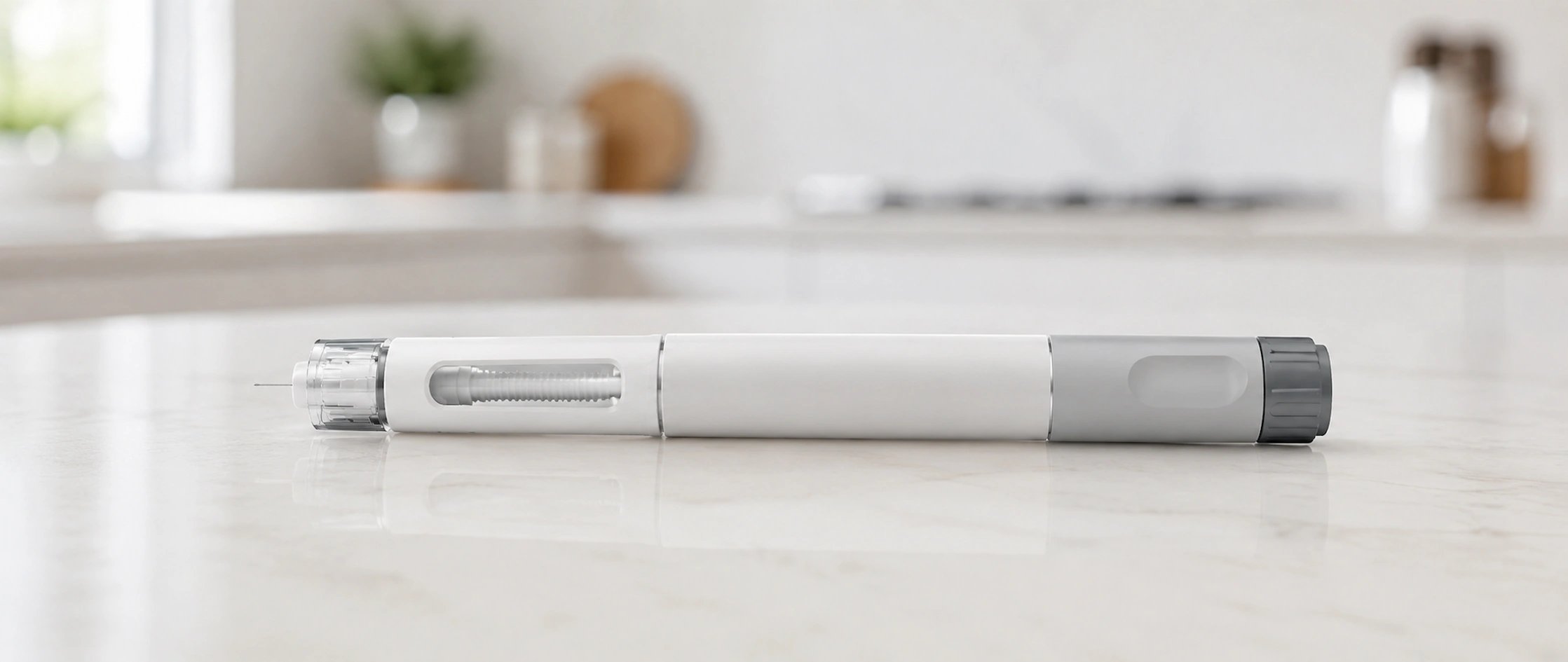
Switching from Mounjaro to an alternative treatment may be appropriate in certain situations, depending on your lifestyle, preferences, and weight loss goals. Here are the most common reasons for switching.
If Mounjaro side effects are difficult to manage
Although Mounjaro is highly effective, some patients experience side effects that affect their quality of life, particularly during dose escalation.
Depending on the severity of symptoms, a healthcare professional may recommend slowing dose increases, reducing the dose, reviewing diet and lifestyle factors, or switching to an alternative medication such as Wegovy [6]. For some people, another GLP-1 treatment may provide a better balance between weight loss effectiveness and tolerability.
If you are not seeing the results you expected
Not everyone responds equally to Mounjaro. If you are using prescription-only services, you may need to consult a healthcare professional to understand why you are not seeing the results you expected. Before switching medications, clinicians usually review factors such as the current dose, treatment duration, and lifestyle factors.
Reasons for limited weight loss may include:
- Insufficient time at therapeutic doses
- Missed doses
- Underlying medical conditions
- Individual differences in metabolism
- Lack of supporting lifestyle changes
A different medication may be considered if the response remains below expectations despite appropriate use.
If you need a more affordable option
Cost is one of the most common reasons patients consider alternatives. Switching to Wegovy, Saxenda, or a non-injectable option such as Orlistat may reduce monthly expenses. The decision to switch should always be discussed with a healthcare professional rather than made independently.
What other weight loss options are coming to the UK?
The weight loss medication landscape is rapidly evolving, with several next-generation treatments currently being researched.
Potential future developments include:
- New multi-hormone therapies: Researchers are investigating medicines that target multiple metabolic pathways simultaneously, including GLP-1, GIP, and glucagon receptors. These multi-action treatments aim to combine appetite suppression with increased energy expenditure, potentially achieving greater weight loss.
- Improved oral medicines: Following the approval of the Wegovy tablet for weight management in the UK, further oral GLP-1 and incretin-based treatments are being studied. These medicines could provide an alternative for people who prefer tablets over injections.
- Combination treatments: Future medicines may combine different hormone pathways to enhance weight loss and improve metabolic health. For example, treatments combining GLP-1 activity with amylin or glucagon pathways are being investigated.
- Higher-dose and next-generation GLP-1 treatments: Researchers are also exploring whether higher doses or modified versions of existing GLP-1 medicines could provide additional weight loss benefits.
As clinical evidence develops, obesity treatment is likely to become increasingly personalised, with multiple options tailored to individual patient needs.
Frequently asked questions about Mounjaro alternatives for weight loss
Here are some of the top questions about Mounjaro alternatives for weight loss.
What is the best alternative to Mounjaro in the UK?
Wegovy is one of the main alternatives to Mounjaro for weight management because both are licensed for weight management and have substantial clinical evidence. However, the best choice depends on individual factors such as side effects, medical history, cost, and treatment goals.
Is Wegovy (GLP-1) as effective as Mounjaro?
Mounjaro generally produces greater average weight loss than Wegovy in clinical trials. In the direct SURMOUNT-5 comparison, participants lost an average of 20.2% of their body weight with Mounjaro, compared with 13.7% with Wegovy [9]. This may be partly explained by Mounjaro’s dual action on GIP and GLP-1 receptors, compared with Wegovy’s GLP-1-only mechanism. Both treatments can be effective when combined with lifestyle changes to improve weight loss outcomes.
Can I switch from Mounjaro to Wegovy?
Yes, switching between weight loss medications may be possible under medical supervision. A healthcare professional will consider factors like your current dose, treatment response, side effects, and the best time to start your first Wegovy dose.
Is there a cheaper alternative to Mounjaro?
Other weight-management medicines, including Wegovy, Saxenda and Orlistat, can also produce weight loss and may cost less than Mounjaro in some treatment settings, depending on the provider and dose. However, treatment effectiveness should also be considered when choosing a weight loss medication.
Can I get Mounjaro alternatives on the NHS?
Some weight loss medications are available through the NHS if patients meet eligibility criteria. A GP or specialist weight management service can provide guidance on available options.
-
-
Jastreboff AM, Aronne LJ, Ahmad NN, et al. Tirzepatide Once Weekly for the Treatment of Obesity. New England Journal of Medicine2022;387(3):205-216. doi:10.1056/nejmoa2206038 https://www.nejm.org/doi/full/10.1056/NEJMoa2206038
-
Almansour HA, Thaibah HA, Moaddey Alfarhan, Al-Qahtani SA, Khardali AA, Alshammari TM. Real-World Safety Concerns of Tirzepatide: A Retrospective Analysis of FAERS Data (2022–2025). Healthcare2025;13(18):2259-2259. doi:10.3390/healthcare13182259. https://pmc.ncbi.nlm.nih.gov/articles/PMC12469573/
-
Wilding JPH, Batterham RL, Calanna S. Once-Weekly Semaglutide in Adults with Overweight or Obesity. The New England Journal of Medicine2021;384(11):989-1002. doi:10.1056/NEJMoa2032183 https://www.nejm.org/doi/full/110.1056/NEJMoa2032183
-
Pi-Sunyer X, Astrup A, Fujioka K, et al. A Randomized, Controlled Trial of 3.0 mg of Liraglutide in Weight Management. New England Journal of Medicine2015;373(1):11-22. doi:10.1056/nejmoa1411892 https://www.nejm.org/doi/full/10.1056/NEJMoa1411892
-
Powell J, Taylor J. Use of Dulaglutide, Semaglutide, and Tirzepatide in Diabetes and Weight Management. Clinical Therapeutics2024;46(3). doi:10.1016/j.clinthera.2023.12.014 https://www.sciencedirect.com/science/article/abs/pii/S0149291824000080
-
Richards R, Lunt W, Whitman M, Spaltro G, Hall R. Semaglutide and Tirzepatide in a Remote Weight Management Program: 12-Month Retrospective Observational Study. JMIR Formative Research 2025;9:e81912. doi:10.2196/81912 https://formative.jmir.org/2025/1/e81912/
-
Iacobucci G. Wegovy weight loss pill now available to UK patients—how will it affect doctors? BMJ2026;394:e100204. doi:10.1136/bmj-2026-100204 https://www.bmj.com/content/394/bmj-2026-100204
-
Coutinho W, Halpern B. Pharmacotherapy for obesity: moving towards efficacy improvement. Diabetology & Metabolic Syndrome2024;16(1). doi:10.1186/s13098-023-01233-4 https://link.springer.com/article/10.1186/s13098-023-01233-4
-
Aronne LJ, Horn DB, le Roux CW, et al. Tirzepatide as Compared with Semaglutide for the Treatment of Obesity. N Engl J Med. 2025;393(1):26-36. doi: 10.1056/NEJMoa2416394
-