
Wegovy can support weight loss by reducing appetite, but it can also cause side effects. The most common are nausea, diarrhoea, vomiting and constipation, usually when starting Wegovy or increasing the dose. [1]
The weekly injection and daily Wegovy tablet both contain semaglutide and have broadly similar side-effect profiles, although the frequency of some side effects differs between formulations.
Why does Wegovy cause side effects?
Semaglutide, the active ingredient, mimics glucagon-like peptide-1 (GLP-1). It targets brain areas involved in appetite, helping you feel fuller, eat less food and consume fewer calories. It also slows the digestive system and can cause delayed stomach emptying. [1]
These effects explain many side effects of Wegovy. Food stays in the stomach longer, which may cause nausea, fullness, reflux or an upset stomach. Reduced food or fluid intake may contribute to headaches or fatigue, or make you feel dizzy. Gradual dose increases may reduce gastrointestinal side effects while the body adjusts. [1]
The Wegovy pill is taken on an empty stomach after an eight-hour fast, with up to 120 mL of water. Wait at least 30 minutes before eating, drinking or taking other medicines. [2]
Most common side effects of Wegovy
The most common side effects are mainly digestive. In injection clinical trials, nausea affected 43.9% of participants, diarrhoea 29.7%, vomiting 24.5% and constipation 24.2%. [1] Headache and fatigue are classed as very common, meaning they may affect more than 1 in 10 people.
Digestive side effects
Nausea, vomiting, diarrhoea, constipation, stomach ache, bloating, indigestion, reflux and burping can occur. These common side effects are typically mild to moderate, although constipation may last longer than the other symptoms. [1, 3]
Wegovy pill side effects follow a similar pattern. In the 64-week OASIS 4 trial, nausea affected 46.6% of people taking the Wegovy pill, vomiting 30.9%, diarrhoea 17.6% and constipation 20.1%. [2] Indigestion was somewhat more frequent with the tablet than in the earlier injection programme.
Other common side effects
Other common side effects include:
- Headache, fatigue, dizziness or unusual skin sensations
- Hair loss (*although this is largely related to rapid weight loss rather than a direct pharmacological effect)
- Low blood pressure or light-headedness
- Injection site reactions with the Wegovy injection
- Low blood sugar, especially when Wegovy is combined with insulin or a sulfonylurea
In US prescribing data, headache affected 14% of adults using the 2.4 mg Wegovy injection and fatigue affected 11%. [4] Staying hydrated and eating regular, frequent meals may help when symptoms relate to reduced food or fluid intake. Speak to a clinician about persistent or severe headaches.
Low blood sugar levels may cause sweating, shaking, hunger, confusion or weakness. The risk rises when taking Wegovy with insulin or certain diabetes medicines. [1]
How long do Wegovy side effects last?

There is no single timeline. Many side effects improve as the body adjusts, but how long they last depends on the symptom, dose and individual. Some may continue for longer than two to four weeks.
Side effects in the first few weeks
When you start treatment, the first few weeks may bring nausea, fullness, headache or bowel changes. In pooled STEP clinical trials of the Wegovy injection, nausea episodes lasted a median of eight days, diarrhoea three days and vomiting two days; constipation lasted 47 days. [3] In OASIS 4, nausea episodes with the Wegovy pill lasted a median of 13 days. [5]
These figures describe the typical duration of individual episodes rather than guaranteeing that nausea will have completely disappeared by then. By around 12 weeks, some people may feel more settled as the body adjusts. However, dose escalation may still be continuing at this point, so side effects can return after another dose increase. [1, 2]
What many people wish they knew before taking Wegovy is that symptoms follow different timetables and may return after each dose increase. Constipation may outlast feeling sick.
There is no proven “worst day on Wegovy”. Symptoms are often most noticeable after starting or increasing the dose, but clinical trials have not identified one day when everyone feels worse.
What happens after each dose increase
Side effects can return as the body adjusts to a higher dose. The injection is normally increased over 16 weeks, while the Wegovy pill rises monthly from 1.5 mg to 4 mg, 9 mg and then 25 mg. [1, 2] Wegovy pill side effects may therefore return after an increase.
For adults with obesity, a prescriber may increase the weekly injection from 2.4 mg to 7.2 mg after at least four weeks at 2.4 mg. Hair loss and changed skin sensations were reported more often at the higher dose. [1]
If symptoms are significant, a prescriber may delay an increase or keep you at the previous dose until they improve. Never change the dose yourself. Following the gradual dosing schedule supports the drug's safety and may make treatment easier to tolerate.
How long do side effects last after stopping Wegovy?
Semaglutide has a half-life of about one week and may remain in the body for several weeks. [1, 2] Side effects can therefore fade gradually. Contact your clinician if symptoms persist, worsen or prevent you from eating or drinking after you stop treatment.
Serious side effects of Wegovy and rare risks
The most serious side effects of Wegovy are the rare and may require urgent medical assessment, including pancreatitis, severe dehydration, gallbladder disease, bowel obstruction, anaphylaxis and very rare vision loss.
Bowel obstruction has been reported, although its frequency is unknown. Seek urgent advice for severe constipation with stomach ache, bloating or vomiting. [6, 7] Do not wait for certain symptoms to pass; these serious side effects should not be ignored.
Pancreatitis
Pancreatitis is inflammation of the pancreas. Warning signs include severe stomach pain that does not go away, may spread to the back and may occur with nausea or vomiting. The Medicines and Healthcare products Regulatory Agency strengthened UK warnings in January 2026 after reports included rare severe and fatal cases. [8]
Seek urgent medical attention for persistent severe stomach pain. If pancreatitis is suspected, Wegovy should be stopped by a clinician; if it is confirmed, treatment should not be restarted. [1]
Gallbladder problems
Gallstones occurred in 1.6% of injection-trial participants and gallbladder inflammation in 0.6%. [1] Warning signs include pain in the upper right abdomen, fever, jaundice, or pale stools. Rapid weight loss can also increase gallstone risk.
Gastroparesis (stomach paralysis)
Gastroparesis means the stomach empties unusually slowly. Because Wegovy can delay stomach emptying, people with gastroparesis may experience more troublesome gastrointestinal side effects, including persistent fullness, vomiting, bloating and difficulty eating.
In its severe form, it can make adequate eating or drinking difficult. Semaglutide should be used cautiously and is not recommended in severe cases. [1, 2]
Kidney problems
Vomiting or diarrhoea can cause dehydration and worsen kidney function, especially in people with existing kidney problems. [1, 2] Seek advice if you cannot keep fluids down, urinate much less or become weak or confused.
Kidney or bladder stones are not recognised side effects of Wegovy but may occur independently or be promoted by dehydration. Possible signs include back or lower-abdominal pain, difficulty urinating or changed urine colour. [6, 7]
Thyroid tumour risk
Semaglutide caused thyroid C-cell tumours in rodent studies. UK product information states that the relevance of these findings to humans is considered low, although it cannot be completely excluded.
US prescribing information carries a boxed warning and contraindicates Wegovy with a personal or family history of medullary thyroid carcinoma or multiple endocrine neoplasia syndrome type 2. These are not formal UK contraindications. [1, 2, 4]
Tell your prescriber about thyroid disease and report a neck lump, persistent hoarseness or difficulty swallowing.
Severe allergic reactions
Anaphylaxis and angioedema are rare. Seek emergency help for facial or throat swelling, difficulty breathing, difficulty swallowing, collapse or a severe widespread rash. [1]
Long-term side effects of Wegovy

Long-term Wegovy pill side effects are less studied than injection effects. SELECT followed more than 17,000 injection users for about three years, but continued monitoring remains important for very rare problems. [1]
Increased heart rate
Injection trials recorded an average resting-pulse increase of about three beats per minute; the Wegovy pill trial recorded about two. [1, 2] Report sustained palpitations, chest pain or fainting.
Vision changes
People with type 2 diabetes, particularly those with existing diabetic retinopathy, should be monitored closely for vision changes while using Wegovy. [1, 2] Rapid improvement in blood sugar may temporarily worsen diabetic eye disease in people with existing retinopathy.
Semaglutide has also been linked extremely rarely to non-arteritic anterior ischaemic optic neuropathy (NAION). The MHRA estimates that it may affect up to 1 in 10,000 users. Sudden vision loss or rapidly worsening eyesight requires immediate assessment at eye casualty or A&E. [9]
Hair loss over time
Hair loss affected 2.5% of participants using the 2.4 mg injection, 5.3% using 7.2 mg and 6.4% using the Wegovy pill in OASIS 4. [1, 2] Most cases were mild, and many people recovered while continuing treatment.
Greater weight loss was associated with more hair loss. [1] Marked weight loss or extreme dieting can also trigger telogen effluvium, in which more hair follicles enter the resting phase before shedding. [10] Discuss persistent shedding with a clinician, who may assess diet, iron, thyroid function, other medicines and alternative causes.
Wegovy and mental health
The European Medicines Agency reviewed reports of suicidal or self-injurious thoughts and found no evidence of a causal link with GLP-1 medicines. [11] Mood changes are not listed as established side effects, but they should still be taken seriously. Seek prompt medical help for new or worsening depression, suicidal thoughts or major behavioural changes.
What factors affect how you experience side effects?
Experience varies with dose, escalation speed, meals, hydration, other medicines and existing digestive, kidney or diabetic eye conditions. Large or high-fat meals may worsen nausea during Wegovy treatment.
How much weight can you lose in three months with Wegovy? There is no reliable average for exactly 12 weeks because most people are still increasing their dose at that stage. In STEP 4, participants had lost an average of 10.6% of their starting weight after 20 weeks, not 12 weeks. [12]
STEP 1, published in the New England Journal of Medicine, reported average weight loss of 14.9% after 68 weeks. [13] Neither result predicts an individual three-month outcome. How quickly people lose weight depends on dose tolerance, response, diet, physical activity and other factors. Focus on sustainable progress towards your weight management goals rather than rapid weight loss.
Wegovy injection vs Wegovy pill: do side effects differ?
The profiles are similar: Wegovy pill side effects mainly include nausea, vomiting, diarrhoea, constipation, indigestion, headache and fatigue. OASIS 4 included over 300 participants receiving the Wegovy pill, compared with thousands of participants in injection clinical trials. [2]
Wegovy pill side effects in the trial included more vomiting and hair shedding but less diarrhoea than in the injection programme. Separate trials cannot show which format an individual will tolerate better.
The Wegovy pen can cause injection site reactions, whereas the Wegovy pill cannot. The pill requires strict fasting and timing, and its absorption is more variable. A prescriber should manage any switch between the Wegovy injection and tablet. [1, 2]
How to manage Wegovy side effects
Simple measures can help manage Wegovy pill side effects and injection symptoms:
- To manage nausea: eat slowly, choose smaller, frequent meals and stop when comfortably full. Bland foods such as toast, rice, bananas or plain pasta may help. Some people find ginger or peppermint tea soothing, although evidence specific to Wegovy is limited.
Avoid spicy foods and greasy meals. Remaining upright for at least 30–60 minutes after meals may make digestion more comfortable and help reduce reflux or fullness, particularly when stomach emptying is slow. [14] Continue with smaller, frequent meals and eat slowly while symptoms settle. - To manage vomiting: take small sips of water or an oral rehydration drink. Reintroduce bland foods gradually. Contact a clinician if vomiting is persistent, severe or prevents you from drinking.
- To manage diarrhoea: sip fluids regularly and, temporarily, choose low-fibre, plain foods. Avoid fatty or spicy foods. A pharmacist can advise about rehydration sachets and whether medicines are appropriate.
- To manage constipation: increase fluid and fibre gradually, including fruit, vegetables and whole grains, unless advised otherwise. Gentle physical activity such as walking may support a bowel movement. Seek advice if constipation persists, worsens or occurs with pain and vomiting.
- For headache: stay hydrated and eat regular, frequent meals. A pharmacist can advise whether paracetamol or ibuprofen is suitable; ibuprofen may be unsuitable with dehydration, kidney disease, ulcers or certain medicines. Peppermint tea may contribute to fluid intake, but it is not a proven headache treatment.
Two to three litres of water daily is unsuitable for everyone, especially with heart or kidney disease. Ask how much fluid is appropriate for you. Chewing gum may help dry mouth.
Wegovy side effects compared to Saxenda and Ozempic
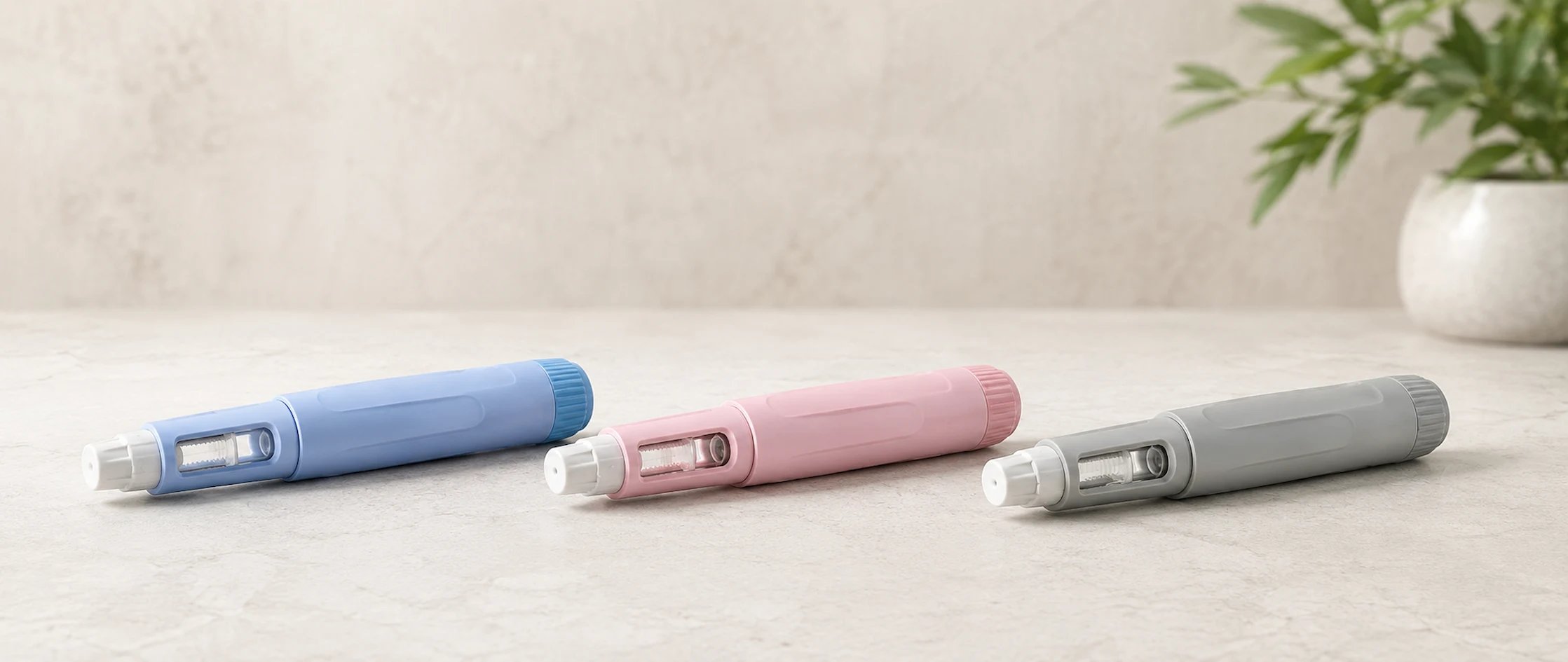
All three act on GLP-1 receptors, so their common side effects overlap. Different doses and trial populations limit direct comparisons.
Wegovy vs Ozempic side effects
Wegovy and Ozempic contain semaglutide, but Ozempic is licensed for type 2 diabetes and uses lower doses. Ozempic trials reported nausea in 17% to 19.9% of participants, diarrhoea in 12.2% to 13.3% and vomiting in 6.4% to 8.4%. [15] Wegovy rates were higher in separate trials.
Neither medicine should be combined with another GLP-1 treatment. When comparing weight loss injections, consider eligibility, benefits and risks rather than percentages alone.
Wegovy vs Saxenda side effects
Saxenda contains liraglutide and is injected daily; Wegovy is used as a weekly injection or a daily Wegovy pill. Both commonly cause nausea, vomiting, diarrhoea, constipation and headache. [16]
A head-to-head trial found greater average weight loss with weekly semaglutide, but gastrointestinal side effects occurred with both medicines. [17] Choice depends on medical history, treatment response and preferences. Mounjaro, which contains tirzepatide, has a different safety profile.
Who should avoid Wegovy?
Do not use Wegovy if you are allergic to semaglutide or any of its other ingredients. It should not be used during pregnancy or breastfeeding and should be stopped at least two months before a planned pregnancy.
The Wegovy pill is not established for under-18s. The injection may be prescribed from age 12, but doses above 2.4 mg are not recommended for adolescents.
Suitability needs careful assessment with previous pancreatitis, diabetic retinopathy, gastroparesis, or kidney or liver impairment.
The Wegovy pill is not recommended in severe kidney or liver impairment. The injection normally requires no kidney-related dose adjustment, although experience is limited in severe impairment. It is not recommended in end-stage kidney disease and requires caution in severe liver impairment. [1, 2]
People taking insulin or a sulfonylurea may also need their diabetes treatment adjusted to reduce the risk of low blood sugar. Do not combine Wegovy with another GLP-1 receptor agonist.
A regulated prescriber should assess suitability before you buy Wegovy.
When to contact a doctor
Contact a doctor straight away, or seek urgent help, if you develop any of these serious side effects or warning signs:
- Severe stomach pain that persists or spreads to the back
- Repeated vomiting, dehydration or markedly reduced urination
- Sudden vision loss or rapidly worsening eyesight
- Difficulty breathing, facial or throat swelling, or collapse
- Severe constipation with abdominal swelling, pain or vomiting
- Symptoms of gallbladder disease
- Severe or repeated low blood sugar
- New suicidal thoughts or a serious change in mental health
For milder side effects that persist, contact the prescriber before your next increase. Do not lower the dose or stop treatment without professional advice.
Frequently asked questions about Wegovy side effects
Wegovy side effects and practical questions often arise before or during treatment, especially when starting therapy or increasing the dose. The answers below address some of the most common concerns about using Wegovy safely and what to expect during treatment.
Can I drink alcohol while taking Wegovy?
Alcohol is not contraindicated with Wegovy, but it may worsen nausea or vomiting and contirbute to dehydration, particularly when starting treatment or increasing the dose. [18] It can also contribute to dehydration and affect blood sugar. Ask your prescriber for advice if you have diabetes, liver disease or previous pancreatitis.
Can Wegovy be taken with other medications?
Wegovy can be used with many medicines, but your prescriber needs a complete list. Semaglutide delays stomach emptying and may affect some oral medicines.
Separate the Wegovy pill from food, drink and other tablets by at least 30 minutes. [2] Wegovy pill side effects and interactions should be reviewed alongside prescription medicines, over-the-counter treatments and supplements. Insulin or sulfonylurea doses may need adjustment to reduce low blood sugar risk.
Tell the healthcare team you use Wegovy before general anaesthesia or deep sedation. Delayed stomach emptying may leave food or liquid in the stomach and increase aspiration risk. [1, 2]
Will side effects stop if I lower my dose?
They may improve, but dose changes must be clinician-led. UK product information allows slower escalation or a return to the previous injection dose when gastrointestinal side effects are significant. [1] A prescriber may also keep the Wegovy pill at the previous step while symptoms settle. [2]
Is Wegovy safe for long-term use?
Clinical trials have evaluated semaglutide over periods of up to several years, with ongoing monitoring remaining important. NHS weight management follows NICE criteria and is generally limited to two years in specialist services. [19] Private prescribing may differ.
What should I do if I miss a dose?
For the weekly injection, take it if no more than five days late. If more than five days have passed, skip it and use the next dose on the usual day. [1]
For the daily Wegovy pill, skip the missed tablet and take the next one the following day. [2] Never take a double dose.
-
- Novo Nordisk Limited. Wegovy 0.25 mg, FlexTouch solution for injection in pre-filled pen: Summary of Product Characteristics. Electronic Medicines Compendium. Updated July 10, 2026.
- Novo Nordisk Limited. Wegovy 1.5 mg tablets: Summary of Product Characteristics. Electronic Medicines Compendium. Updated June 16, 2026.
- Wharton S, Calanna S, Davies M, et al. Gastrointestinal tolerability of once-weekly semaglutide 2.4 mg in adults with overweight or obesity, and the relationship between gastrointestinal adverse events and weight loss. Diabetes Obes Metab. 2022;24(1):94-105. doi:10.1111/dom.14551.
- Novo Nordisk Inc. Wegovy (semaglutide) injection and tablets: US prescribing information. Revised June 2026.
- Wharton S, Lingvay I, Bogdanski P, et al; OASIS 4 Study Group. Oral semaglutide at a dose of 25 mg in adults with overweight or obesity. N Engl J Med. 2025;393(11):1077-1087. doi:10.1056/NEJMoa2500969.
- Novo Nordisk Limited. Wegovy 0.25 mg, FlexTouch solution for injection in pre-filled pen: Patient Information Leaflet. Electronic Medicines Compendium. Updated July 10, 2026.
- Novo Nordisk Limited. Wegovy 1.5 mg tablets: Patient Information Leaflet. Electronic Medicines Compendium. Updated June 16, 2026.
- Medicines and Healthcare products Regulatory Agency. GLP-1 receptor agonists and dual GLP-1/GIP receptor agonists: strengthened warnings on acute pancreatitis, including necrotising and fatal cases. Published January 29, 2026.
- Medicines and Healthcare products Regulatory Agency. Semaglutide (Wegovy, Ozempic and Rybelsus): risk of non-arteritic anterior ischaemic optic neuropathy. Published February 5, 2026.
- British Association of Dermatologists. Telogen effluvium. Updated October 2025.
- European Medicines Agency. Meeting highlights from the Pharmacovigilance Risk Assessment Committee, 8-11 April 2024. Published April 12, 2024.
- Rubino D, Abrahamsson N, Davies M, et al. Effect of continued weekly subcutaneous semaglutide vs placebo on weight loss maintenance in adults with overweight or obesity: the STEP 4 randomized clinical trial. JAMA. 2021;325(14):1414-1425. doi:10.1001/jama.2021.3224.
- Wilding JPH, Batterham RL, Calanna S, et al. Once-weekly semaglutide in adults with overweight or obesity. N Engl J Med. 2021;384(11):989-1002. doi:10.1056/NEJMoa2032183.
- Frimley Health NHS Foundation Trust. Gastroparesis or delayed gastric emptying. Last reviewed June 22, 2026.
- Novo Nordisk Limited. Ozempic 0.5 mg solution for injection in pre-filled pen: Summary of Product Characteristics. Electronic Medicines Compendium. Updated April 7, 2026.
- Novo Nordisk Limited. Saxenda 6 mg/mL solution for injection in pre-filled pen: Summary of Product Characteristics. Electronic Medicines Compendium. Updated November 27, 2025.
- Rubino DM, Greenway FL, Khalid U, et al. Effect of weekly subcutaneous semaglutide vs daily liraglutide on body weight in adults with overweight or obesity without diabetes: the STEP 8 randomized clinical trial. JAMA. 2022;327(2):138-150. doi:10.1001/jama.2021.23619.
- NHS. Semaglutide: a medicine to manage type 2 diabetes or treat obesity. Last reviewed May 15, 2026.
- National Institute for Health and Care Excellence. Semaglutide for managing overweight and obesity. Technology appraisal guidance TA875. Published March 8, 2023. Updated September 4, 2023.