
What are natural appetite suppressants?
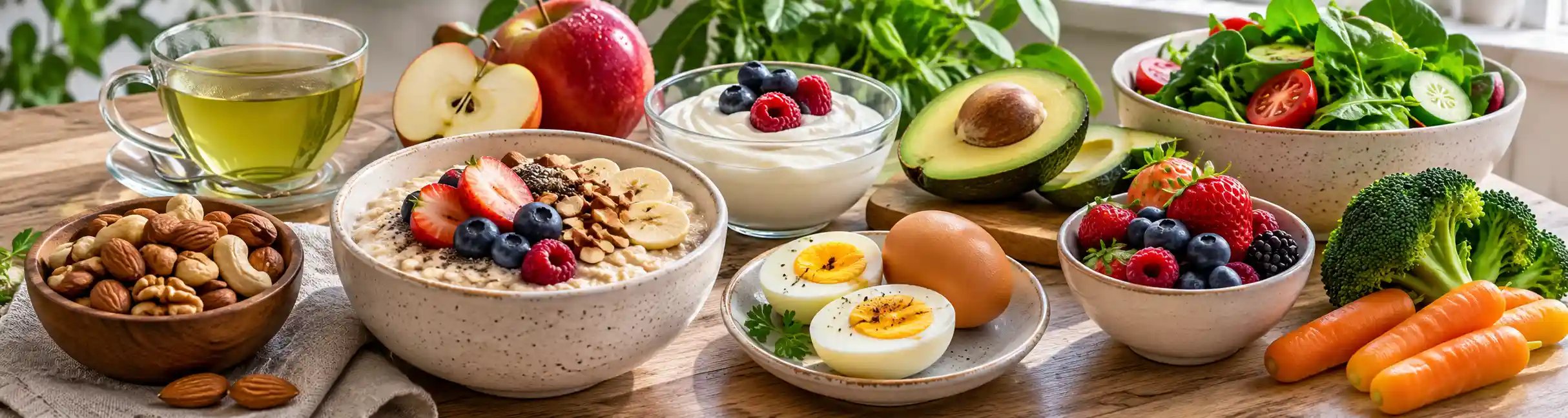
Natural appetite suppressants are foods, beverages, dietary ingredients, or supplements that may influence one ore more aspects of appetite regulation, although the strength of evidence for their effects varies considerably. These various aspects can be one or more of the following:
- Hunger
- Fullness
- Desire to eat
The main purpose of natural appetite suppressants is to help individuals manage their calorie intake more easily [1].
The calorie intake should match the energy needs. For this reason, it is important to understand that physical hunger is not the same as food cravings. Many people eat in response to stress, boredom, the sight and smell of appealing foods, or due to habit. Therefore, appetite regulation is a complex process involving the brain, digestive system, hormones, sleep, emotions and environmental cues [2]. Over time, emotional and habitual eating can contribute to weight gain and are among the common causes of obesity.
Suppressing appetite means reducing the desire to eat. On the other hand, supporting satiety means helping someone feel comfortably full after a meal and remain satisfied until the next eating occasion [3]. Overall, the second approach is more useful for sustainable dietary habits.
Foods can influence the feeling of fullness in different ways. The protein and fibre content, volume, energy density, and effects on digestion all have important roles in fullness. Some soluble fibres absorb water and form gels, slowing digestion. Additionally, protein can influence appetite-related hormones. However, no single food or supplement reliably switches off hunger or guarantees weight loss.
What are the foods that suppress appetite?
Smart food choices matter. What you choose to eat influences how much you will eat during the day and how you’ll feel between meals. For example, minimally processed foods rich in protein and fibre provide more sustained fullness than rapidly digested carbohydrates from foods with low nutritional value.
Here is an overview of the best natural appetite suppressants:
Protein-rich meals
Protein is one of the most effective dietary components for supporting fullness [4]. Its higher intake can make a balanced diet easier to maintain because protein-rich meals can improve satiety and reduce hunger in the hours following eating. Good sources of protein are:
- Eggs, fish, chicken and other lean meats
- Greek yoghurt, cottage cheese and other protein-rich dairy products
- Lentils, chickpeas, beans and soy foods such as tofu
- Nuts and seeds, which provide protein alongside fats and other nutrients
High-fibre foods
Dietary fibre benefits digestive health and helps regulate appetite [5]. Some types of dietary fibre absorb water. This increases the volume of food in the digestive tract, slows digestion, and may reduce food intake.
Useful dietary fibre sources include:
- Whole grains such as oats, barley and whole-grain bread
- Legumes, including beans, peas, lentils and chickpeas
- Vegetables such as broccoli, carrots and leafy greens
- Whole fruits (not fruit juice), including apples, pears, berries and oranges
Healthy fats
A modest amount of dietary fat contributes to flavour, meal satisfaction, and the absorption of fat-soluble vitamins. It may also slow gastric emptying []. The best sources of healthy fats are:
- Olive oil
- Avocados
- Nuts
- Seeds
- Oily fish
These foods provide unsaturated fats that can support cardiovascular health, particularly when they replace foods rich in saturated fats. However, all fats are energy-dense (nine calories per gram). So, large portions can increase total calorie intake substantially.
Water and other drinks
Water can increase fullness when you drink it with a meal. For some, it may reduce how much food you eat in one sitting. Additionally, thirst and hunger can sometimes be confused. However, although hydration is important, water should not be used to suppress the need for food.
Unsweetened green tea and herbal teas can help reduce calorie intake when they replace sugary drinks. Green tea contains caffeine and catechins, which have been studied for their effects on energy expenditure, but any effect on body weight appears to be small. There is no convincing evidence that ordinary herbal teas reliably suppress appetite, curb hunger or promote weight loss.
How to suppress appetite naturally?

The best tactic is to identify the causes of hunger. These include meal composition, sleep, stress, eating speed, and daily routines. Your goal should be to create habits that support healthy weight loss while preserving energy, nutritional adequacy and quality of life. Here’s an overview:
Mindful eating and slowing down
Mindful eating is not one of the weight loss treatment options, but it’s a useful component of a broader behavioural programme [6]. Mindful eating means paying attention to food, hunger, fullness, and the experience of eating. This allows you to recognise satiety sooner because the brain needs time to process signals associated with eating. This may help you recognise when you are comfortably satisfied and stop overeating, although it is not a guaranteed solution for compulsive eating or binge eating disorder.
Here are some practical strategies:
- Eating meals while seated (preferably away from screens)
- Chewing thoroughly and putting cutlery down between bites
- Pausing during meals to assess fullness
- Distinguishing physical hunger from stress-related or habitual eating
- Avoiding rigid rules that label foods as entirely good or bad
Sleep, stress and food cravings
Insufficient sleep is associated with increased hunger, changes in appetite-related hormones, preference for caloric foods, and lower motivation for physical activity [7].
Additionally, stress can affect eating in various ways. In some people, stress reduces appetite. In others, it increases food cravings for comfort or emotional relief [8].
Maintaining regular sleep and wake times (at least 7 to 9 hours), creating an evening routine, exercising, and applying stress-management techniques, such as mindfulness or breathing exercises can help.
However, behavioural approaches require realistic expectations. Better sleep and stress management may help with reducing food cravings and improving appetite control, but neither necessarily produces weight loss on its own.
Building a balanced diet
Instead of relying on appetite suppressants, it is better to create a dietary pattern that provides sufficient protein, fibre, complex carbohydrates, unsaturated fats, vitamins, and minerals, while limiting highly processed foods and enjoying regular meals.
Here are some suggestions for a well-built meal structure:
- Protein source: eggs, fish, poultry, yoghurt, tofu or legumes
- High fibre foods: vegetables, fruit, beans and whole grains
- Healthy fats: olive oil, nuts, seeds or avocado
- Complex carbohydrates: oats, brown rice, potatoes or whole-grain bread
Do natural supplements for appetite work?
The market for weight loss supplements includes fibre products, caffeine preparations, botanical extracts and multi-ingredient formulas. Many of these claim to reduce hunger, accelerate metabolism or help people lose weight without major dietary changes.
This may be. However, a supplement can influence a biological pathway in a laboratory study without producing a meaningful benefit in everyday life. Likewise, an improvement in a short-term appetite reduction does not necessarily mean a sustained weight loss.
Randomised controlled trials and systematic reviews provide stronger evidence than testimonials or uncontrolled observations. However, existing studies often involve small groups, short follow-up periods, different formulations and varying doses. More research is needed to establish whether individual supplements produce clinically meaningful, sustained weight loss and to better understand their long-term safety.
Glucomannan and fibre products
Glucomannan is a soluble fibre derived from the konjac plant. It absorbs water and forms a gel in the digestive tract, which may help increase fullness. An authorised weight-loss health claim exists for glucomannan under specific conditions, including consumption of 3 g daily in three 1 g doses before meals, each with 1-2 glasses of water, as part of an energy-restricted diet. However, clinical studies have produced mixed results, and glucomannan should not be considered a reliable standalone weight-loss treatment. A systematic review and meta-analysis of randomised clinical trials found that glucomannan did not produce statistically significant weight loss overall [9].
Glucomannan may also cause digestive issues, including bloating, abdominal discomfort, diarrhoea or constipation. Because it expands when exposed to liquid, taking it without sufficient fluid can create a choking risk or cause obstruction. Fibre supplements may also affect the absorption of oral medicines.
Caffeine in tea and coffee
Caffeine is a stimulant that can temporarily increase alertness and (modestly) energy expenditure. Some research also suggests that caffeine may influence appetite in the short term [10]. However, these effects should not be confused with reliable, long-term weight loss.
Green tea contains catechins, including epigallocatechin gallate (EGCG) and, in many preparations, caffeine. These compounds have been studied for their possible effects on metabolism. However, evidence for substantial, sustained weight reduction is limited [11].
It is important to state that caffeine supplements deliver concentrated doses of caffeine and, particularly at higher intakes, may cause insomnia, anxiety, tremor, increased heart rate, or palpitations.
Herbal products with limited evidence
Garcinia cambogia, bitter orange, green coffee bean extract, and other multi-herb formulas are often marketed as natural appetite suppressants. However, evidence supporting their effectiveness for meaningful, sustained weight loss remains limited or inconclusive.
More importantly, there are safety concerns regarding such products. These are not limited to ingredients. Such products can contain inconsistent concentrations, undeclared pharmaceutical substances or contaminants. Furthermore, combining multiple stimulants increases the risk of adverse effects.
For example, the US National Institutes of Health Office of Dietary Supplements describes potential interactions involving caffeine-containing products, Garcinia cambogia, green tea extracts and other weight loss ingredients [12].
Explore related treatments
View all products
Can natural ways to suppress appetite support weight management?
Foods and dietary strategies that increase fullness may help some people reduce their calorie intake and support weight loss. However, most supplements marketed as natural appetite suppressants have not demonstrated substantial, sustained weight-loss benefits in high-quality clinical trials.
For example, protein-rich foods and fibre-rich foods can help some people feel satisfied with fewer calories. Improved sleep, mindful eating and regular physical activity may also make it easier to maintain healthy habits.
Sustained loss of body fat generally requires an energy deficit over time. However, body weight is influenced by many factors, including fluid balance, hormonal changes, medicines, sleep, physical activity and underlying health conditions.
That means there is no magic trick that can produce weight loss if your calorie intake exceeds your energy needs. However, a well-balanced diet, physical activity, muscle mass build-up, adequate sleep, medications, genetics, and underlying health conditions can all influence the result.
Feeling less hungry for several hours usually does not produce a meaningful change in body weight in the long run. Unfortunately, this is what most natural appetite suppressants offer.
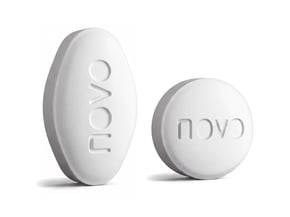
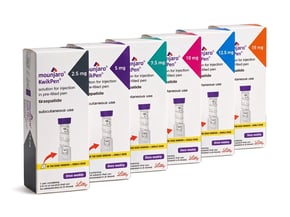
On the other hand, prescription weight loss medications, including GLP-1 receptor agonist semaglutide (e.g. Wegovy), and alternatives to Wegovy, such as dual GIP/GLP-1 receptor agonists (tirzepatide), act on defined biological pathways and have demonstrated weight loss benefits in clinical trials involving eligible patients [13]. Unlike over-the-counter supplements, these medicines require a clinical assessment and ongoing medical supervision to monitor treatment response, side effects and suitability.
*The UK's National Institute for Health and Care Excellence (NICE) recommends that weight-management medicines be used alongside dietary, exercise and behavioural approaches, with treatment selected according to individual circumstances and relevant eligibility criteria.
Are natural appetite suppressants safe in the UK?

In the UK, food supplements are regulated as foods rather than medicines and do not undergo the same pre-market assessment of efficacy as authorised medicines. Licensed medicines, by contrast, are assessed for quality, safety and efficacy before approval. Prescription weight loss injections have demonstrated a favourable benefit-risk balance for their authorised uses, but they can still cause some adverse effects and are not suitable for everyone. However, this does not mean manufacturers can make unrestricted weight-loss claims. Health claims used in advertising and product labelling must comply with UK rules and must not mislead consumers. Products marketed as natural appetite suppressants are not necessarily proven to produce clinically meaningful weight loss.
Therefore, safety depends on the ingredients, dosage, manufacturing quality, potential interactions, and the health of the person taking it.
The UK government's guidance on food supplements advises consumers to follow recommended doses and consult a healthcare professional before taking supplements if they are pregnant, breastfeeding, have a medical condition or take regular prescription medicines.
Side effects and medicine interactions
Here’s an overview of potential adverse effects for common ingredients of natural appetite suppressants:
Fibre supplements: May cause bloating, abdominal discomfort, diarrhoea or constipation. Products that expand in water can pose choking or obstruction risks if taken incorrectly.
Caffeine and other stimulants: May cause insomnia, anxiety, tremor, increased blood pressure or palpitations, particularly at high doses or when several stimulant products are combined.
Herbal extracts: Can cause gastrointestinal symptoms, allergic reactions or, in some cases, more serious adverse effects. Concentrated extracts may have different safety profiles from the foods or drinks from which they are derived.
Multi-ingredient supplements: Can make it difficult to identify the cause of an adverse reaction and increase the possibility of interactions.
Some fibre products can reduce the absorption of oral medicines. Stimulant-containing products may compound the effects of certain medications [14]. Specific botanical ingredients may also affect drug metabolism or interact with anticoagulants, diabetes treatments, or other prescription medicines.
Who should be careful?
Extra caution is appropriate for:
- People with cardiovascular conditions, including heart disease, high blood pressure or heart rhythm disorders, particularly when considering supplements containing caffeine or other stimulants.
- Pregnant or breastfeeding individuals, for whom weight loss supplements should not be used without appropriate professional guidance.
- People with diabetes, kidney disease, liver disease or gastrointestinal disorders.
- Anyone taking regular prescription medicines, including anticoagulants and medicines that affect blood glucose.
- People with swallowing difficulties or a history of gastrointestinal obstruction who are considering bulk-forming fibre supplements.
What if appetite still feels hard to manage?
Persistent hunger does not necessarily indicate a lack of willpower. Certain medicines, including corticosteroids such as prednisolone, some antidepressants such as mirtazapine, and antipsychotics such as olanzapine, can increase appetite or cause people to gain weight. Conditions affecting blood glucose regulation may also cause increased hunger. Other possible contributors include hormonal changes, psychological factors, or eating disorders.
When persistent hunger is associated with excessive thirst, frequent urination, unexplained changes in weight, or marked fatigue, a medical assessment is appropriate.
Structured weight-management programmes can also provide nutritional guidance, behavioural strategies, physical activity planning, and regular follow-up. A qualified dietitian can help identify realistic goals and develop a plan that accounts for medical history, preferences and daily life.
Prescription weight loss medications or bariatric surgery may be considered where clinically appropriate.
Frequently asked questions
Find answers to common questions and key takeaways about natural appetite suppressants, how effective they are for weight loss, and what to consider before trying them.
Do natural appetite suppressants help with weight loss?
Protein-rich meals, fibre-rich foods and sustainable eating habits may increase fullness and help manage calorie intake. While this may be indirectly helpful, evidence is still lacking when it comes to substantial and lasting weight loss.
Which foods suppress appetite the most?
Protein-rich foods, legumes, whole grains, vegetables, and whole fruit work well for satiety. Meals that combine protein, fibre, and moderate portions of healthy fats are particularly satisfying.
Does drinking water reduce appetite?
Drinking excessive amounts of water is not a healthy weight-management strategy. However, drinking water before or alongside a meal may modestly increase fullness, and water is a useful alternative to sugary drinks.
Do herbal appetite suppressants work?
Scientific evidence varies by ingredient, but many herbal products have not demonstrated reliable, clinically meaningful weight loss benefits in high-quality trials. Some may also cause adverse effects, interact with medicines or contain undeclared ingredients.
Are natural appetite suppressants safe to take with other medicines?
Not necessarily. Fibre supplements, caffeine and botanical extracts can affect the absorption, metabolism, and effects of certain medicines. Consult your doctor or a pharmacist before combining them with regular medication.
Should I see a doctor before trying appetite supplements?
Yes, especially if you have a chronic medical condition, take prescription medicines, are pregnant or breastfeeding, or have unexplained changes in appetite or body weight.
-
[1] Stuby, J., Gravestock, I., Wolfram, E., Pichierri, G., Steurer, J., & Burgstaller, J. M. (2019). Appetite-Suppressing and Satiety-Increasing Bioactive Phytochemicals: A Systematic Review. Nutrients, 11(9), 2238. https://doi.org/10.3390/nu11092238
[2] Garutti, M., Sirico, M., Noto, C., Foffano, L., Hopkins, M., & Puglisi, F. (2025). Hallmarks of Appetite: A Comprehensive Review of Hunger, Appetite, Satiation, and Satiety. Current obesity reports, 14(1), 12. https://doi.org/10.1007/s13679-024-00604-w
[3] Tschöp, M. H., & Friedman, J. M. (2023). Seeking satiety: From signals to solutions. Science translational medicine, 15(723), eadh4453. https://doi.org/10.1126/scitranslmed.adh4453
[4] Moon, J., & Koh, G. (2020). Clinical Evidence and Mechanisms of High-Protein Diet-Induced Weight Loss. Journal of obesity & metabolic syndrome, 29(3), 166–173. https://doi.org/10.7570/jomes20028
[5] Akhlaghi M. (2024). The role of dietary fibers in regulating appetite, an overview of mechanisms and weight consequences. Critical reviews in food science and nutrition, 64(10), 3139–3150. https://doi.org/10.1080/10408398.2022.2130160
[6] Minari, T. P., Araújo-Filho, G. M., Tácito, L. H. B., Yugar, L. B. T., Rubio, T. A., Pires, A. C., Vilela-Martin, J. F., Cosenso-Martin, L. N., Fattori, A., Yugar-Toledo, J. C., & Moreno, H. (2024). Effects of Mindful Eating in Patients with Obesity and Binge Eating Disorder. Nutrients, 16(6), 884. https://doi.org/10.3390/nu16060884
[7] Rasmussen, C. H., O, C. K., Chan, W. S., Magkos, F., & Kong, A. P. (2025). Sleep habits in the pathogenesis and management of diabesity. Journal of diabetes investigation, 16(7), 1202–1216. https://doi.org/10.1111/jdi.70075
[8] Madison, A., & Kiecolt-Glaser, J. K. (2019). Stress, depression, diet, and the gut microbiota: human-bacteria interactions at the core of psychoneuroimmunology and nutrition. Current opinion in behavioral sciences, 28, 105–110. https://doi.org/10.1016/j.cobeha.2019.01.011
[9] Bessell, E., Maunder, A., Lauche, R., Adams, J., Sainsbury, A., & Fuller, N. R. (2021). Efficacy of dietary supplements containing isolated organic compounds for weight loss: a systematic review and meta-analysis of randomised placebo-controlled trials. International journal of obesity (2005), 45(8), 1631–1643. https://doi.org/10.1038/s41366-021-00839-w
[10] Magaña-de la Vega, L., Martínez-López, E., Sanchez-Murguia, T., Madrigal-Juárez, A., Rodríguez-Reyes, S. C., Aguilar-Vega, I., & Torres-Castillo, N. (2024). Effect of coffee intake on appetite parameters in woman with overweight or obesity: A pilot crossover randomized trial. Endocrinologia, diabetes y nutricion, 71(6), 236–245. https://doi.org/10.1016/j.endien.2024.03.021
[11] Lin, Y., Shi, D., Su, B., Wei, J., Găman, M. A., Sedanur Macit, M., Borges do Nascimento, I. J., & Guimaraes, N. S. (2020). The effect of green tea supplementation on obesity: A systematic review and dose-response meta-analysis of randomized controlled trials. Phytotherapy research : PTR, 34(10), 2459–2470. https://doi.org/10.1002/ptr.6697
[12] Office of Dietary Supplements. (2022, May 18). Dietary supplements for weight loss: Fact sheet for health professionals. National Institutes of Health. https://ods.od.nih.gov/factsheets/weightloss-healthprofessional/
[13] Wong, H. J., Sim, B., Teo, Y. H., Teo, Y. N., Chan, M. Y., Yeo, L. L. L., Eng, P. C., Tan, B. Y. Q., Sattar, N., Dalakoti, M., & Sia, C. H. (2025). Efficacy of GLP-1 Receptor Agonists on Weight Loss, BMI, and Waist Circumference for Patients With Obesity or Overweight: A Systematic Review, Meta-analysis, and Meta-regression of 47 Randomized Controlled Trials. Diabetes care, 48(2), 292–300. https://doi.org/10.2337/dc24-1678
[14] Gurley B. J. (2025). Clinically Relevant Herb-Drug Interactions: A 30-Year Historical Assessment. Journal of dietary supplements, 22(1), 78–104. https://doi.org/10.1080/19390211.2024.2327544