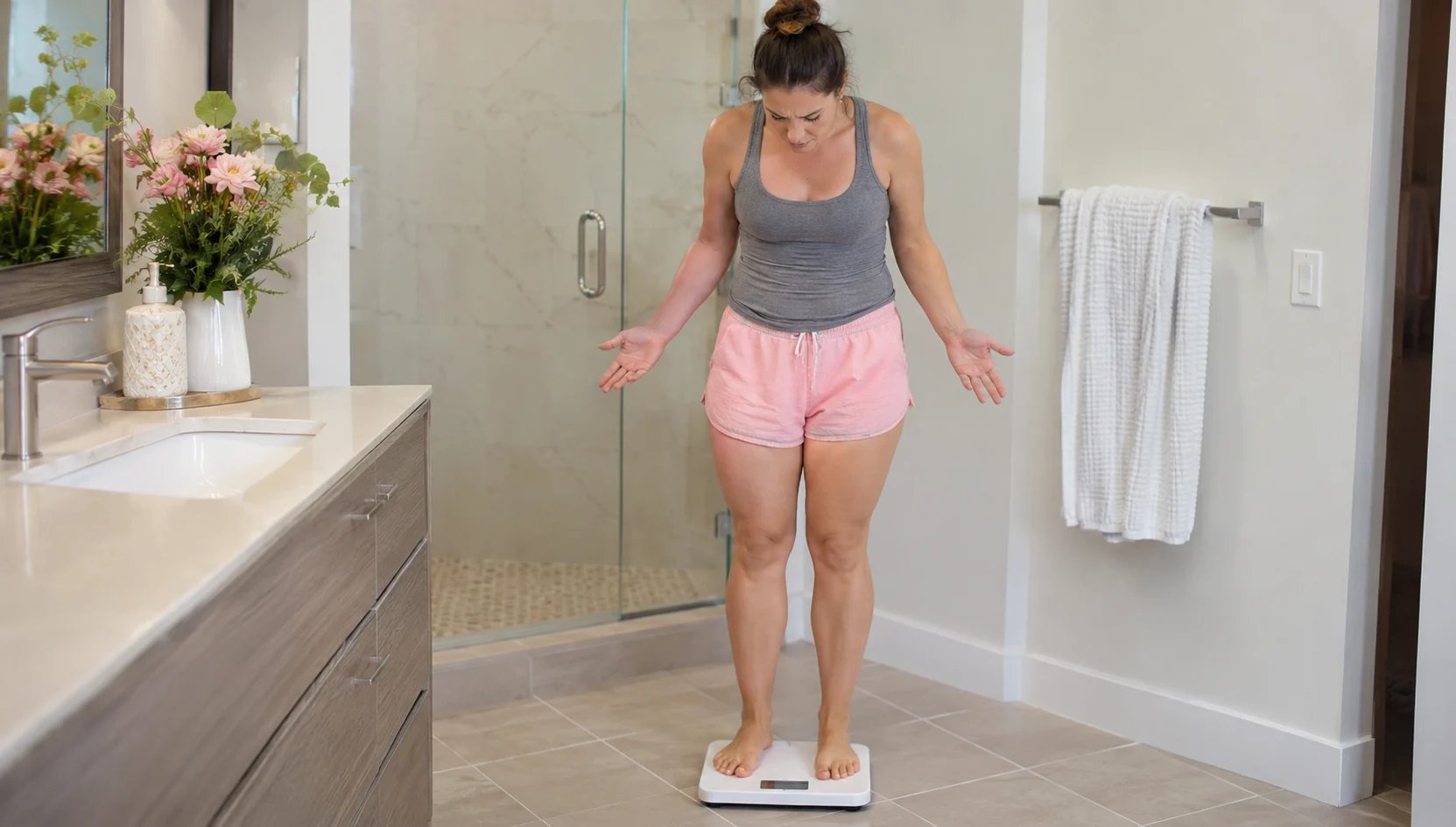

How does semaglutide work
What is semaglutide? It is a prescription medicine that copies a naturally occurring hormone in your gut to help regulate appetite and blood sugar. Doctors prescribe it to adults who need support with weight management and to people with type 2 diabetes. It has become one of the most talked-about medicines in the UK, and for good reason: in large clinical trials, people who took semaglutide for weight loss lost far more body weight than those who relied on diet and exercise alone.
Semaglutide is one of several weight loss treatments now available on prescription in the UK, but it is not a quick fix or a cosmetic product. It works best alongside a reduced-calorie diet, more physical activity and ongoing support from a healthcare professional. This guide explains how semaglutide works, how injections and tablets differ, the benefits and side effects, who can take it and how it compares with tirzepatide.
Semaglutide belongs to a group of medicines called GLP-1 receptor agonists. GLP-1 stands for glucagon-like peptide-1, a naturally occurring hormone that your gut releases after you eat. It tells your brain you are full, signals your pancreas to release insulin when blood glucose levels rise, and slows the passage of food through your digestive system.
Semaglutide is a lab-made version of this hormone. As a receptor agonist, it attaches to the GLP-1 receptor in the same way the natural hormone does, but it is built to last much longer in the body. Natural GLP-1 breaks down within minutes, whereas semaglutide stays active for about a week. That is why it only needs to be taken once a week as an injection, or once a day as a tablet.
Three main things happen when you take semaglutide:
- Appetite falls. Semaglutide acts on areas of the brain that control hunger, so you feel fuller sooner, think about food less often and may find it easier to eat smaller portions.
- Blood sugar is better controlled. It prompts the pancreas to release insulin only when blood sugar is high and reduces the amount of glucose your liver releases. This is why it also helps with high blood sugar in type 2 diabetes.
- Digestion slows down. Delayed stomach emptying keeps you feeling full for longer after meals and softens the rise in blood glucose after eating.
The combined result is a lower calorie intake without the constant hunger many people experience on a standard diet.
Semaglutide for weight loss
Semaglutide for weight management is prescribed in adults living with obesity, or with overweight and at least one weight-related health problem. In the UK, the licence for the weight loss brand covers adults with a body mass index (BMI) of 30 or above, or a BMI of 27 or above with a condition such as high blood pressure, type 2 diabetes or heart disease. Doctors may adjust these thresholds for people from South Asian, Chinese or other ethnic backgrounds, who face health risks at a lower BMI.
The evidence behind semaglutide weight loss is strong. In the main clinical trials, adults taking the 2.4 mg weekly dose alongside lifestyle changes lost around 15% of their body weight on average over about 68 weeks, compared with roughly 2% in the placebo group. [1] Many people lose weight steadily over the first year, and results vary from person to person. A higher 7.2 mg dose was approved by the MHRA in January 2026 for people who need further support, although it is not yet funded on the NHS.
A few practical points are worth knowing:
- Semaglutide is intended to be used with a reduced calorie diet and regular activity, not instead of them.
- Your prescriber will review your progress, and treatment may be stopped if you do not lose enough weight.
- Weight often returns after stopping weight loss treatment, so it helps to plan with your health care team before you begin.
Explore related treatments
View all products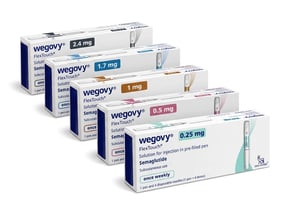
Semaglutide for type 2 diabetes
Semaglutide was first approved to treat type 2 diabetes, and it is still widely used for this purpose. It lowers blood glucose levels, reduces HbA1c (a measure of your average blood sugar over about three months) and often leads to modest weight loss as a welcome side benefit. For adults with type 2 diabetes, the medicine is usually prescribed under the brand names Ozempic (injection) or Rybelsus (tablets).
Diabetes treatment is not the same as weight loss treatment. Doses, brand names and prescribing rules differ, and your diabetes team will choose the product that suits your treatment plan. Semaglutide used alone rarely causes low blood sugar, but the risk of hypoglycaemia rises if you take it with insulin or a sulphonylurea. Your doctor may lower the dose of those other medications when you start.
How semaglutide is taken
Semaglutide comes in two forms: a once-weekly injection and a once-daily tablet. Whichever you are prescribed, you will start on a low dose and increase it in steps. This lets your body adjust and reduces the chance of stomach upset. Your prescriber will tell you how long to stay on each dose, and you should never skip ahead or change your dose without advice.
Semaglutide injection
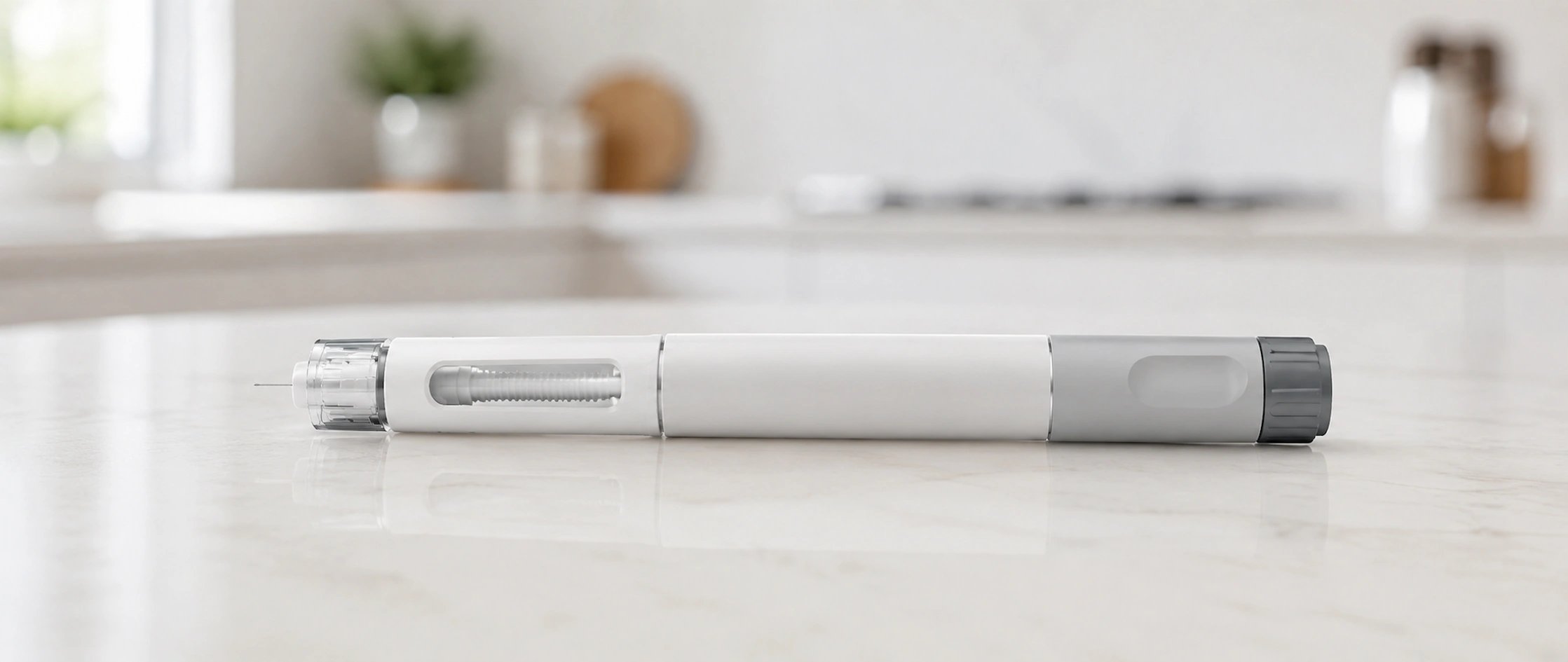
The semaglutide injection is given once a week, on the same day each week, with or without food. It comes in a pre-filled pen with a very fine needle. You inject under the skin of your stomach, thigh or upper arm, and it is sensible to rotate the site each week.
For weight loss, treatment usually starts at 0.25 mg once weekly. The dose is raised gradually every four weeks, through 0.5 mg, 1 mg and 1.7 mg, towards a maintenance dose of 2.4 mg. Many people reach their maintenance dose after about 16 to 20 weeks. If your body does not tolerate a step well, your prescriber may keep you on the lower dose for longer. If you miss a dose, check the patient information leaflet: the usual advice is to take it as soon as you remember if it is within five days, and otherwise to skip it and carry on with your normal day.
Store unused pens in the fridge and follow the leaflet for how long a pen can be kept at room temperature.
Semaglutide tablets
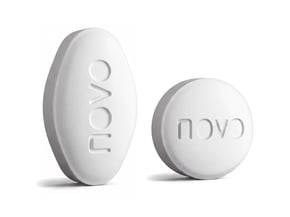
Semaglutide tablets are an alternative for people who prefer to avoid needles. Rybelsus is licensed for type 2 diabetes, and an oral version for weight management, the Wegovy pill, was approved by the MHRA in June 2026. Unlike the injection, the tablet has to be taken in a strict way. You swallow it whole on an empty stomach, with a small sip of plain water, first thing in the morning and at least 30 minutes before eating, drinking or taking any other medications. Taking it with food or too much water can stop your body from absorbing it properly.
Because only a small share of the tablet is absorbed, tablet doses are higher in milligrams than injection doses. They are not interchangeable, so never swap between forms without speaking to your prescriber.
Semaglutide benefits

The semaglutide benefits go well beyond the number on the scales. Based on clinical trials and everyday use, the main advantages include:
- Meaningful weight loss. Many adults lose 10 to 15% or more of their body weight, which can ease joint strain, improve mobility, boost energy and reduce dependency on over-the-counter weight loss medication and supplements.
- Better blood sugar control. It lowers blood glucose and HbA1c in people with type 2 diabetes and may reduce the chance of developing diabetes in those with prediabetes.
- Lower cardiovascular disease. In a large trial of adults with established heart disease and overweight or obesity (without diabetes), semaglutide reduced the risk of a major cardiovascular event, such as a heart attack or stroke, by about 20%. [2] Many people also see small improvements in blood pressure and cholesterol.
- Kidney protection. In adults with type 2 diabetes and chronic kidney disease, semaglutide lowered the risk of serious kidney outcomes, including end-stage kidney disease. [3] Researchers believe improved blood flow and lower blood pressure and blood sugar all play a part.
- Convenience. A weekly injection is simple to fit into a routine, and tablets offer a needle-free option.
These benefits depend on taking semaglutide as prescribed and combining it with healthy habits. Not everyone responds in the same way.
Semaglutide side effects
Like all medicines, semaglutide can cause side effects, and most people experience at least one. The side effects of semaglutide are mainly digestive and tend to be strongest when you start treatment or move up a dose. For most people, they ease as the body adjusts.
Common adverse effects include:
- Nausea and vomiting
- Diarrhoea or constipation
- Stomach pain, bloating and wind
- Indigestion, heartburn and belching
- Headache, tiredness and dizziness
Small meals, eating slowly, avoiding greasy or very rich food and drinking plenty of fluids can all help. The effects semaglutide has on the stomach, particularly delayed stomach emptying, explain most of these symptoms.
Less common but more serious problems can occur. Seek advice from a healthcare professional if you notice any of the following:
- Severe pain in your stomach that spreads to your back, which may be a sign of pancreatitis
- Pain in the upper right side of your abdomen, yellowing skin or fever, which can point to gallbladder problems
- Signs of dehydration, such as very dark urine, dizziness or a dry mouth, especially after vomiting or diarrhoea
- Changes in vision, particularly if you have type 2 diabetes, as rapid improvements in blood sugar can worsen diabetic retinopathy
- Symptoms of low blood sugar, such as shakiness, sweating, confusion or a fast heartbeat
An allergic reaction is rare but needs immediate medical attention. Call 999 or go to A&E if you develop swelling of the face, lips or throat, difficulty breathing or a widespread rash. In any case where symptoms are persistent or worrying, get medical attention promptly rather than waiting for them to pass.
When people ask are weight loss injections safe, the answer depends on your medical history, your dose and how closely a prescriber monitors you. You can report any suspected side effect through the MHRA Yellow Card scheme.
Who can take semaglutide
Semaglutide is a prescription-only medicine, so it should only be taken after an assessment. A prescriber will check your medical history, your current medications and your goals before deciding whether it is right for you.
It may be suitable if you:
- Are an adult with obesity, or with overweight and a weight-related condition
- Have type 2 diabetes that needs better control
- Have been unable to reach a healthy weight with lifestyle changes alone
It is not suitable for everyone. Tell your prescriber if you:
- Are pregnant, planning a pregnancy or breastfeeding. Semaglutide should be stopped at least two months before a planned pregnancy
- Have had pancreatitis or gallbladder disease
- Have type 1 diabetes. Semaglutide is not a substitute for insulin
- Have severe kidney or liver problems, or severe digestive conditions
- Have a personal or family history of medullary thyroid cancer or MEN 2
- Have ever had an allergic reaction to semaglutide or any of its ingredients
- Have diabetic eye disease or other medical conditions that need monitoring
Always tell your doctor or pharmacist about every other medicine you use, including over-the-counter products and supplements. Because semaglutide slows digestion, it can change how quickly some tablets are absorbed. People who have had weight loss surgery, or who have an eating disorder or at an increased risk, should discuss treatment carefully with a specialist first.
Semaglutide vs tirzepatide
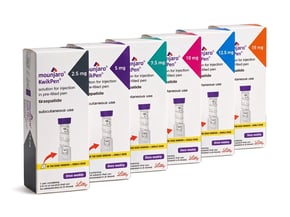
Semaglutide and tirzepatide are the two best-known medicines of their kind. Tirzepatide, sold as Mounjaro, is a once-weekly injection that acts on two hormone receptors: GLP-1 and GIP. Semaglutide acts on GLP-1 alone. This dual action may explain why tirzepatide has produced slightly greater weight loss in some studies. In one head-to-head trial in adults with obesity, people taking tirzepatide lost about 20% of their body weight over 72 weeks, compared with around 14% for semaglutide. [4]
However, the right choice is individual. When comparing semaglutide vs Mounjaro, consider:
- Effectiveness: Both work well, though average results are a little higher with tirzepatide.
- Tolerability: Both cause similar digestive side effects, and the way each person responds differs.
- Forms available: Semaglutide is available as injections and tablets. Tirzepatide is currently an injection.
- Evidence: Semaglutide has the longest track record and the most data on heart and kidney outcomes.
- Cost: Prices differ by dose and provider. Since Mounjaro's UK list price rose in September 2025, semaglutide has often been the cheaper option, but your prescriber can explain what is available to you.
Your prescriber will take your medical history and preferences into account when recommending either medicine.
FAQs
Below are answers to the questions people most often ask about semaglutide, from brand names and prescriptions to NHS access, cost and how long it stays in your system.
Is Ozempic semaglutide?
Yes. Ozempic is a brand name for semaglutide injections, licensed in the UK to treat type 2 diabetes. It contains the same active ingredient as Wegovy, but the products have different licences, doses and prescribing rules. Ozempic is prescribed for diabetes rather than for weight loss, so you should only use the medicine and dose your clinician has prescribed to you.
Is Wegovy semaglutide?
Yes. Wegovy is a brand of semaglutide licensed for weight management in adults, and for some adolescents aged 12 and over. It is taken as a weekly injection, and an oral Wegovy tablet has also been approved. Its maintenance dose of 2.4 mg is higher than the doses used in Ozempic for diabetes.
Does semaglutide need a prescription?
Yes. In the UK, semaglutide is a prescription-only medicine. You can be prescribed semaglutide by an NHS doctor, or by a registered prescriber through a private prescription after a full online or in-person consultation. Be cautious about any website offering semaglutide without asking about your health. Medicines sold without a prescription may be fake or unsafe.
Can you get semaglutide on the NHS?
Sometimes. The National Institute for Health and Care Excellence (NICE) recommends Wegovy for adults with a BMI of at least 35 and at least one weight-related condition, and in some cases a BMI of 30 to 34.9, but only through specialist weight management services and for up to two years. [5] Access varies by area, and waiting lists can be long. Semaglutide for type 2 diabetes is available on the NHS more widely. The Wegovy tablet is not yet recommended for NHS use. Ask your GP what semaglutide on the NHS looks like where you live.
How much does semaglutide cost?
On the NHS, you pay only the standard prescription charge in England, or nothing in Scotland, Wales and Northern Ireland. If you pay privately, semaglutide cost depends on the dose and the provider. As a rough guide, UK prices for a weight loss semaglutide injection range from about £100 to £300 a month, and often rise as your dose goes up. Many providers advertise a lower first-month price, so check the full cost of the treatment plan, including consultation and delivery, before you start.
How long does semaglutide stay in your system?
Semaglutide has a half-life of around one week, meaning it takes about a week for half of the drug to leave your body. It generally takes about five weeks to clear completely after your last dose. This is why side effects can linger for a while after stopping, and why the effects on appetite fade gradually rather than suddenly. If you are planning a pregnancy, stop at least two months beforehand.
-
[1] Wilding JPH, Batterham RL, Calanna S, et al. Once-weekly semaglutide in adults with overweight or obesity. N Engl J Med. 2021;384(11):989–1002. doi:10.1056/NEJMoa2032183.
[2] Lincoff AM, Brown-Frandsen K, Colhoun HM, et al. Semaglutide and cardiovascular outcomes in obesity without diabetes. N Engl J Med. 2023;389(24):2221–2232. doi:10.1056/NEJMoa2307563.
[3] Perkovic V, Tuttle KR, Rossing P, et al. Effects of semaglutide on chronic kidney disease in patients with type 2 diabetes. N Engl J Med. 2024;391(2):109–121. doi:10.1056/NEJMoa2403347.
[4] Aronne LJ, Horn DB, le Roux CW, et al. Tirzepatide as compared with semaglutide for the treatment of obesity. N Engl J Med. 2025;393(1):26–36. doi:10.1056/NEJMoa2416394.
[5] National Institute for Health and Care Excellence. Semaglutide for managing overweight and obesity. Technology appraisal guidance TA875. Published March 8, 2023. Accessed October 20, 2026. https://www.nice.org.uk/guidance/ta875