
Can you drink alcohol with Mounjaro?
There is no general rule stating that you must completely stop drinking alcohol alongside Mounjaro (tirzepatide). However, NHS guidance advises avoiding alcohol while using Mounjaro because it can increase side effects such as nausea and vomiting [1].
As a weight loss medication, Mounjaro works partly by acting on GLP-1 and GIP receptors, helping reduce appetite, decrease food intake and increase feelings of fullness [2]. This is relevant because gastrointestinal side effects are among the most common effects of Mounjaro. Nausea, vomiting, diarrhoea, constipation and abdominal pain can occur, especially when treatment is started or the dose is increased [3].
Alcohol may make some of these symptoms harder to tolerate and it can also contribute to dehydration, particularly if you develop vomiting or diarrhoea [4,5].
If you have type 2 diabetes, alcohol can also affect the body’s blood sugar control mechanism by affecting the liver [6]. The risk of low blood sugar is particularly important if Mounjaro is taken alongside insulin or a sulphonylurea such as gliclazide [7].
Whether you choose to drink alcohol while taking Mounjaro is a personal choice, but your individual health issues, medicines and response to treatment should be considered.
What can a drink change while you are taking Mounjaro?
A drink may affect how you feel while taking Mounjaro in several ways. Mounjaro slows gastric emptying and can reduce appetite. If you eat less than usual, drinking alcohol on an empty stomach may make you feel its effects more quickly and you may experience more pronounced side effects like nausea, dizziness, vomiting, or fatigue [2,3].
For people using Mounjaro for weight management, it is also important to note that alcoholic drinks contain calories. Depending on the type of drink and serving size, the sugar and calorie content can be substantial [8]. Regular drinking may therefore increase your overall calorie intake and make it harder to maintain the calorie deficit needed to lose weight with Mounjaro [9].
What side effects can a drink bring on?
Alcohol can make some Mounjaro side effects feel worse.
The most relevant symptoms include [3]:
- Nausea or feeling sick
- Vomiting
- Diarrhoea
- Stomach discomfort
- Dizziness
- Headache
- Fatigue
- Dehydration
Mounjaro side effects involving the digestive system are particularly common during dose escalation [10]. Adding alcohol during this period may make gastrointestinal side effects more difficult to manage.
If you have diabetes and take insulin or gliclazide, Mounjaro can lead to increased risk of hypoglycaemia, while alcohol can make blood sugar management more difficult [6,7].
Staying hydrated is important if you drink. However, drinking lots of water does not remove the other effects of alcohol or prevent alcohol-related complications [4].
Can it slow the weight loss?
Alcohol does not automatically stop Mounjaro from working, and there is no established evidence that a drink directly cancels out the effects of tirzepatide. However, changes in eating habits, activity, sleep and calorie intake can influence how much weight you lose over time.
Alcohol can make weight loss more difficult by affecting several factors, including:
- Adding to your calorie intake: Alcohol is the richest source of calories after dietary fat, providing 7.1 kcal/g, 1.0 mL of ethanol contains 0.79 g of ethanol. Regular drinking can therefore add a significant number of calories to your diet, even when you are eating less while taking Mounjaro [8].
- Affecting your food choices: Alcohol has been associated with increased calorie intake, partly explained by the appetite-enhancing effect of ethanol. Alcohol intake also causes release of dopamine, the neurotransmitter linked to the brain’s rewarding mood of eating and overeating, leading to poor food choices [8].
- Consuming additional sugar: Certain beers, liqueurs and cocktails with sugary mixers contain substantial amounts of sugar, which can raise blood sugar levels and increase the risk of weight gain and obesity [11].
- Limited nutritional value: Alcohol is sometimes described as providing empty calories because it gives you more calories without the nutritional benefits of protein, fibre, vitamins and minerals found in nutrient-dense foods [8].
- Making it harder to maintain a calorie deficit: Mounjaro supports weight loss partly by reducing appetite and helping you feel fuller. Regular alcohol consumption can add calories that make it harder to maintain the reduced calorie intake needed to lose weight [8,11].
- Impacting healthy routines: Heavy drinking may affect sleep, energy levels and physical activity. These changes can make it harder to maintain the lifestyle habits that support weight management [5].
An occasional drink does not automatically cause weight gain or prevent you from losing weight. Your overall alcohol intake, diet, physical activity and adherence to your treatment plan are more important factors.
If alcohol is contributing significant calories or making it harder to follow your eating plan, reducing alcohol may make it easier to maintain your weight loss progress while taking Mounjaro.
How much alcohol can you drink while taking Mounjaro?
There is no specific amount of alcohol that is safe for everyone taking Mounjaro. If you decide to drink, your personal circumstances matter, including your age, weight, gender, and medical conditions such as type 2 diabetes.
The UK NHS guidance recommends drinking no more than 14 units of alcohol per week, spread over three or more days rather than consumed in a single session [12].
In terms of individual drinks, 14 units of alcohol is the equivalent of approximately 6 medium (175ml) average strength glasses of wine or 6 pints of average strength beer.. However, this is general alcohol guidance, not a Mounjaro-specific recommendation.
Avoid drinking on an empty stomach and instead opt for a nutrient-rich meal before drinking to slow the absorption of alcohol and stay hydrated by drinking water.
One drink every now and again is generally acceptable but a regular pattern of heavy drinking while taking Mounjaro may have a greater effect on your calorie intake and a negative impact on your weight loss treatment plan.
If you have diabetes, take medicines that lower blood glucose, or have other health issues, speak to a healthcare professional for personal advice before drinking.
Should you skip drinks when you step up the dose?
It is generally advisable to be cautious about your alcohol intake when your Mounjaro dose is increased.
Nausea, vomiting and diarrhoea are more common during dose escalation and generally become less frequent over time. Drinking alcohol at this point may make these side effects worse and may increase the risk of you stopping the treatment altogether [3,10].
For this reason, you may wish to avoid drinking when starting Mounjaro or after stepping up to a higher dose, particularly if you are experiencing side effects.
There is no requirement to skip or change your prescribed weight loss injections because you have consumed alcohol. Do not alter your dose or change your injection schedule solely on your own. Instead, discuss any concerns with your prescriber or pharmacist.
Explore related treatments
Wegovy
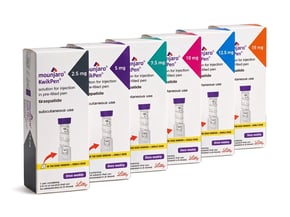
Mounjaro
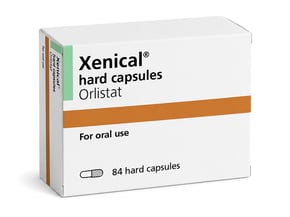
Xenical
Who should avoid alcohol with Mounjaro altogether?
Some people may be advised to avoid alcohol altogether while taking Mounjaro, particularly if drinking could worsen an existing health problem or interfere with treatment.
This may include people who:
- Experience significant nausea, vomiting or diarrhoea
- Have difficulty maintaining adequate fluid intake
- Take insulin or gliclazide
- Have experienced episodes of low blood sugar
- Have poorly controlled diabetes
- Have an existing condition for which alcohol is already discouraged
- Are struggling to maintain their weight management plan
- Have a history of heavy drinking or heavy alcohol use
If Mounjaro is being used with insulin or a sulphonylurea such as gliclazide, there is a higher risk of hypoglycaemia. Your healthcare professional may need to adjust your diabetes treatment, but you should not change your medication yourself.
There are also broader health considerations. Heavy alcohol use can affect the liver's ability to process substances, contribute to high blood pressure and increase the risk of several chronic health conditions. Excessive alcohol consumption is also associated with kidney damage and other serious complications [5].
If alcohol is already causing problems in your health or daily life, reducing alcohol or stopping drinking may be more appropriate than simply trying to limit the number of drinks while taking Mounjaro.
When should you get medical help?

Most mild Mounjaro side effects do not require urgent medical attention, but certain symptoms should be taken seriously.
Seek urgent medical help if you develop severe or persistent abdominal pain, particularly if the pain spreads to your back or occurs with nausea or vomiting. This may be a sign of acute pancreatitis, a serious complication that requires medical assessment.
You should also seek urgent help if you develop symptoms of a severe allergic reaction, including difficulty breathing or swelling of the lips, tongue or throat.
If you take Mounjaro with insulin or gliclazide, you should understand the symptoms of low blood sugar. These may include [13]:
- Sweating
- Shaking
- Hunger
- Dizziness
- Headache
- Anxiety
- Confusion
- A fast or irregular heartbeat
If you experience persistent vomiting or diarrhoea and cannot keep fluids down, seek medical advice. Dehydration can become serious if significant fluid is lost.
You should also speak to a healthcare professional if alcohol consistently makes your Mounjaro side effects worse, interferes with your treatment plan, or makes it difficult to maintain healthy eating and drinking habits.
Further advice may be particularly important if you have diabetes, take other weight loss medications, use insulin or gliclazide, or have another condition that can be affected by alcohol.
Frequently asked questions about Mounjaro and drinking alcohol
Here are some of the most frequently asked questions on Mounjaro and how much alcohol can affect you.
Are hangovers worse on Mounjaro?
There is no established evidence that Mounjaro directly causes worse hangovers. However, a hangover may feel more difficult to manage if tirzepatide is already causing nausea, vomiting, diarrhoea, fatigue or reduced food intake. Alcohol can contribute to dehydration, which may make symptoms such as headache, dizziness and fatigue more noticeable [3,4,5].
If you repeatedly experience severe symptoms after drinking, consider reducing alcohol or avoiding drinking and discuss the problem with a healthcare professional.
Why might you feel drunk faster on Mounjaro?
Mounjaro does not appear to directly increase alcohol tolerance. However, you may feel the effects of alcohol more noticeably if you are eating less, drinking less fluid or drinking on an empty stomach [14]. As Mounjaro reduces appetite, some people consume smaller meals than they did before treatment or skip meals altogether.
Blood alcohol concentration is influenced by factors such as the presence of food in the stomach, the rate of alcohol drinking and the concentration of alcohol. As a result, drinking the same amount of alcohol with no food or less food in your stomach may increase the rate of absorption of alcohol in the small intestine, increasing your peak blood alcohol concentration and making you feel drunk faster [14].
This does not necessarily mean that Mounjaro affects alcohol tolerance itself. Rather, changes in eating, hydration and overall health may alter how you experience alcohol.
Does Mounjaro reduce your desire to drink?
Some people taking Mounjaro may experience changes in their desire to drink and in some cases find Mounjaro may reduce alcohol cravings and reduce their consumption of alcohol [15].
Mounjaro reduces appetite and increases feelings of fullness, which may change eating and drinking habits. Research into whether GLP-1 medicines influence alcohol cravings, consumption, and addiction is ongoing [15]. There is evidence that GLP-1 medicines may help with reducing or stopping cravings.
Can you drink if you take insulin or gliclazide?
Extra caution is needed if you take insulin or a sulphonylurea such as gliclazide. Alcohol can also affect blood sugar levels and may make symptoms of hypoglycaemia more difficult to recognise, making it important to drink safely.
If you take insulin or gliclazide alongside Mounjaro, speak to your diabetes team or pharmacist before drinking. They can provide personal advice based on your blood sugar control and treatment plan. Do not change your insulin or gliclazide dose yourself to compensate for alcohol.
Can you drink on the day you inject Mounjaro?
There is no specific requirement in the Mounjaro prescribing information to avoid alcohol on the day you inject Mounjaro. Mounjaro is administered once weekly and can be taken at any time of day, with or without food.
The more important consideration is how you feel after the injection. If you develop nausea, vomiting, diarrhoea, dizziness or reduced food and fluid intake, alcohol may make these effects worse. For this reason, it may be sensible to avoid drinking if you feel unwell after an injection or have recently increased your dose.
There is also no need to change your Mounjaro injection because you plan to have an occasional glass of wine or another drink. If you are unsure whether alcohol fits safely into your treatment plan, particularly if you take insulin or gliclazide or have other health issues, speak to your GP, pharmacist or diabetes team for individual advice and potential Mounjaro alternatives.
-
-
NHS website. Tirzepatide. August 17, 2026. https://www.nhs.uk/medicines/tirzepatide/
-
Sokary S, Hiba Bawadi. The promise of tirzepatide: A narrative review of metabolic benefits. Primary care diabetes. April 11, 2025. doi:10.1016/j.pcd.2025.03.008 https://www.sciencedirect.com/science/article/pii/S1751991825000816
-
Karrar HR, Nouh MI, Nouh YI, et al. Tirzepatide-Induced Gastrointestinal Manifestations: A Systematic Review and Meta-Analysis. CureusPublished online September 27, 2023. doi:10.7759/cureus.46091 https://pubmed.ncbi.nlm.nih.gov/37908927/
-
Mackus M, Stock AK, Johan Garssen, Scholey A, Verster JC. Alcohol hangover versus dehydration revisited: The effect of drinking water to prevent or alleviate the alcohol hangover. Alcohol2024;121. doi:10.1016/j.alcohol.2024.07.006 https://www.sciencedirect.com/science/article/pii/S0741832924001009
-
D’Angelo A, Petrella C, Greco A, et al. Acute alcohol intoxication: a clinical overview. LA CLINICA TERAPEUTICA2025;173(3):280-291. doi:10.7417/CT.2022.2432 https://www.clinicaterapeutica.it/ojs/index.php/1/article/view/401/416
-
Mahmoudi B, Marzieh Pazokian. The relationship between Insulin Secretion and Insulin Resistance and Alcohol Consumption in Diabetics. International Journal of Medical Reviews2024;11(4):790-796. doi:10.30491/IJMR.2024.471944.1291 https://www.ijmedrev.com/article_214913.html
-
Mews K, Momchilovich D. Management of Hypoglycemia Using Continuous Glucose Monitoring During Tirzepatide Initiation or Uptitration When Used in Addition to Other Glucose-Lowering Agents. Diabetes Spectr2025;38(4):525-528. doi:10.2337/ds24-0074 https://pmc.ncbi.nlm.nih.gov/articles/PMC12620735/
-
Tayie FA, Beck GL. Alcoholic beverage consumption contributes to caloric and moisture intakes and body weight status. Nutrition2016;32(7):799-805. doi:10.1016/j.nut.2016.01.013 https://www.sciencedirect.com/science/article/abs/pii/S0899900716000460
-
Mourelatou NG, Kounatidis D, Vallianou NG, Daniele G, Dardano A, Rebelos E. Current treatment for diabetes: a holistic approach. Hormones2025;25(1):101-119. doi:10.1007/s42000-025-00734-3 https://link.springer.com/article/10.1007/s42000-025-00734-3
-
Frias JP, Nauck MA, Van J, et al. Efficacy and tolerability of tirzepatide, a dual glucose‐dependent insulinotropic peptide and glucagon‐like peptide‐1 receptor agonist in patients with type 2 diabetes: A 12‐week, randomized, double‐blind, placebo‐controlled study to evaluate different dose‐escalation regimens. Diabetes, Obesity and Metabolism2020;22(6):938-946. doi:10.1111/dom.13979. https://dom-pubs.onlinelibrary.wiley.com/doi/full/10.1111/dom.13979
-
Aung TNN, Thaikla K, Wiwatkunupakarn N, et al. Development of a tool to estimate sugar and caloric contents in alcoholic beverages for a diabetes self-management program in Thailand. Heliyon2023;9(11):e21162. doi:10.1016/j.heliyon.2023.e21162. https://www.cell.com/heliyon/fulltext/S2405-8440(23)08370-6
-
NHS. Drink less - Better Health. July 6, 2021. https://www.nhs.uk/better-health/drink-less/
-
Nakhleh A, Shehadeh N. Hypoglycemia in diabetes: An update on pathophysiology, treatment, and prevention. World Journal of Diabetes2021;12(12):2036-2049. doi:10.4239/wjd.v12.i12.2036 https://pmc.ncbi.nlm.nih.gov/articles/PMC8696639/
-
Ramsbottom A, Petticrew M, Huber A, van Schalkwyk MCI. Drinking on an empty stomach: a scoping review of the evidence on how consuming food with alcohol affects short-term outcomes. Journal of Public Health2022;45(3):612-620. doi:10.1093/pubmed/fdac117 https://academic.oup.com/jpubhealth/article/45/3/612/6770314?login=false
-
Quddos F, Hubshman Z, Tegge AN, et al. Semaglutide and Tirzepatide reduce alcohol consumption in individuals with obesity. Scientific Reports. 2023;13(1):20998. doi:10.1038/s41598-023-48267-2
-