Is Mounjaro safe for weight loss?
Mounjaro can be a suitable weight loss treatment for some adults, but it is not risk-free or right for everyone. Whether Mounjaro is safe for weight loss for you depends on eligibility, your medical history, other medicines, pregnancy plans and how well you tolerate treatment. It is a prescription medication that should be used with medical supervision. So, is Mounjaro safe for weight loss? For an eligible adult after a proper assessment, it can be, if the expected benefits outweigh the risks. [1]
Mounjaro contains tirzepatide, a once-weekly injectable medication that activates GIP and GLP-1 receptors. In the UK, it is licensed for weight management alongside a reduced-calorie diet and increased physical activity. Your initial body mass index (BMI) must be 30 kg/m² or above, or 27 to below 30 kg/m² with at least one of the listed weight-related conditions.
Examples include high blood pressure, dyslipidaemia (unhealthy blood-fat levels), obstructive sleep apnoea, cardiovascular disease, prediabetes or type 2 diabetes. [1] These thresholds are the practical starting point for deciding who can use Mounjaro for weight loss. If you are asking “is it safe to take Mounjaro?”, meeting a BMI threshold is only the first step.
If you are considering whether to buy Mounjaro online, a healthcare professional should review your full medical history, current medicines, family history and other diabetes medications where relevant. Among the effects Mounjaro can have are reduced appetite and lower blood sugar levels, so the assessment is there to identify risks before starting Mounjaro. The medicine is intended to support weight loss and help eligible adults lose weight alongside lifestyle changes, not replace them.
How is Mounjaro tested and approved in the UK?
Mounjaro was authorised for weight management in the UK in November 2023 by the Medicines and Healthcare products Regulatory Agency (MHRA). The MHRA reviews quality, effectiveness and safety before regulatory approval, then continues to monitor suspected problems once a medicine is in wider use. [2]
Clinical trials and regulatory review tell us whether the benefit-risk balance is acceptable for the licensed use. They do not make Mounjaro safe for every person.
What did the clinical trials show?
The clinical trials show that tirzepatide can produce significant weight loss and help suitable patients lose weight, while gastrointestinal side effects are the most common adverse reactions.
For weight loss, Mounjaro was tested in several SURMOUNT studies rather than being approved on weight change alone. In the landmark SURMOUNT-1 trial, adults with obesity or overweight without type 2 diabetes were treated for 72 weeks. Under the efficacy estimand, mean body weight fell by 16.0% with 5 mg, 21.4% with 10 mg and 22.5% with 15 mg, compared with 2.4% with placebo. [1, 3]
The 22.5% figure therefore refers specifically to the 15 mg group under that analysis; it is not the average result for everyone taking Mounjaro for weight loss. Serious adverse events were uncommon overall, while nausea, diarrhoea, vomiting and constipation were the more frequent treatment effects. [3]
The diabetes evidence base is also substantial. SURPASS 1–5 involved 6,263 treated patients with type 2 diabetes, including 4,199 treated with tirzepatide, and showed meaningful reductions in blood glucose levels. The broader phase 3 safety database in the current SmPC includes 15,169 adults exposed to tirzepatide. [1] Tirzepatide is also used alongside diet and exercise for diabetes management.
These findings do not remove the need for individual medical supervision.
Explore related treatments
Wegovy
Mounjaro
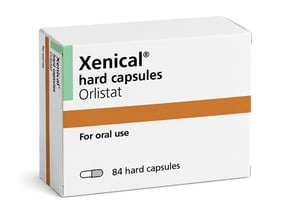
Xenical
Who should not take Mounjaro?
Mounjaro should not be used if you have a known hypersensitivity to tirzepatide or the product's excipients. That is the formal contraindication in the current UK Mounjaro SmPC. [1] Several other health problems are precautions rather than absolute exclusions.
Tell the prescriber if your full medical history includes pancreatitis, severe gastrointestinal disease such as severe gastroparesis, significant kidney or liver problems, or diabetic retinopathy requiring acute treatment. Also mention medicines that can lower blood sugar and any personal or family history of thyroid cancer. [1]
One common online misconception needs correcting. Animal studies found increased thyroid C-cell tumours in rats, including adenomas and carcinomas, but the human relevance is unknown. [1] The current UK SmPC does not list a personal or family history of medullary thyroid carcinoma as a formal contraindication. That differs from some US-facing thyroid cancer warnings. Tell the prescriber about thyroid cancer in you or your family so it can be considered before prescribed Mounjaro is started.
The rat thyroid tumours are a safety signal to understand, not proof that tirzepatide causes medullary thyroid carcinoma or other thyroid tumours in humans.
Pregnancy, breastfeeding and contraception
Mounjaro should not be used during pregnancy. Tirzepatide should be stopped at least one month before a planned pregnancy because of its long half-life. [1] Anyone who becomes pregnant while taking Mounjaro should speak to a healthcare professional promptly.
Contraception also needs attention when starting treatment. If you use the contraceptive pill while being treated for overweight or obesity, current UK product information advises adding a barrier method or switching to a non-oral method. Do this for four weeks after starting Mounjaro and for four weeks after every dose increase. [1, 4] Tirzepatide delays gastric emptying, which may reduce exposure to oral contraceptives around starting treatment and dose escalation.
Breastfeeding advice is more nuanced. The current PIL says tirzepatide passes into breast milk in very low amounts and is not expected to be absorbed intact by the infant. Current MHRA public guidance still advises against GLP-1 medicines during breastfeeding. Because these UK sources are not fully aligned, breastfeeding women should discuss starting or continuing treatment with their doctor. [1, 4, 5]
What side effects can occur?

Mounjaro side effects range from common digestive symptoms to more serious risks. Some are serious but rare risks, while others are classed differently, so it is more useful to know which symptoms are expected and which are warning signs. Most gastrointestinal side effects are mild or moderate and are most noticeable while the body adjusts during dose escalation. [1]
The practical difference is simple: common symptoms can often be managed, persistent symptoms deserve review, and certain warning signs need urgent help.
What are the most common side effects?
The common side effects of Mounjaro include nausea, diarrhoea, vomiting, constipation and abdominal pain. In pooled SURMOUNT-1 and SURMOUNT-2 data, gastrointestinal disorders occurred in about 56% of tirzepatide groups, and most were mild or moderate. [1]
Nausea, diarrhoea and vomiting occur mainly during dose escalation and generally decrease over time as the body adjusts. [1] Nausea can be particularly noticeable in the first few weeks. In SURMOUNT-1, vomiting was reported more often at higher doses than at 5 mg, although individual experience varies. [3]
Mounjaro can also reduce appetite, so food intake may fall. Smaller meals, adequate fluids and following the prescribed dosage schedule may make the first few weeks easier to manage. Persistent vomiting or diarrhoea can leave you dehydrated, so speak to your doctor or prescriber if food intake or fluids become difficult to maintain.
For a fuller guide to the Mounjaro side effects, including practical ways to manage common symptoms, see the dedicated article.
What are the serious side effects?
More serious risks include acute pancreatitis, gallbladder disease, severe allergic reactions and clinically significant hypoglycaemia in some people with type 2 diabetes. Acute pancreatitis is listed as an uncommon side effect in the UK product information, but post-marketing reports have included necrotising pancreatitis and fatal outcomes.[1]
Persistent severe abdominal pain, especially severe pain that may spread to the back, needs immediate medical attention because it can be a symptom of pancreatitis. [1, 4] Gallbladder problems such as gallstones and cholecystitis have also been reported, with acute gallbladder events in weight management studies correlating with weight reduction. [1]
Severe vomiting or diarrhoea can cause dehydration, which in turn can impair kidney function and, in acute cases, contribute to acute renal failure. Serious allergic reactions such as anaphylaxis or angioedema have been reported rarely. Sudden breathing difficulty, facial or throat swelling, or collapse is a medical emergency. [1]
Is Mounjaro safe for long-term use?
Evidence now extends well beyond the first year of treatment. In a 176-week analysis of participants with obesity and prediabetes from SURMOUNT-1, tirzepatide produced substantial and sustained weight reduction with no new safety signals compared with the established profile. [6] That is reassuring for longer-term use, but it does not prove indefinite safety for everyone.
Long-term weight management still needs periodic review of benefit, side effects and dose. NICE recommends deciding whether to continue treatment if you have lost less than 5% of your initial weight after six months on the highest tolerated dose. [7] This is the more useful answer to is Mounjaro safe for weight loss over time? The evidence supports continued use under medical supervision when it remains beneficial and well tolerated.
The starting dose is 2.5 mg once weekly, followed by 5 mg after four weeks, with later 2.5 mg increases if needed. Adult maintenance dose options are 5 mg, 10 mg and 15 mg, and the maximum maintenance dose is 15 mg once weekly. [1] The aim is not simply to reach the highest dose: a lower dose may be the right maintenance dose if it continues to support weight loss and is better tolerated. Staying on a lower dose can therefore be a clinical decision, not a sign that weight loss treatment has failed.
How to buy Mounjaro online safely in the UK
You can order Mounjaro online safely only through a legitimate UK service that carries out an appropriate clinical assessment. Mounjaro is prescription-only, so a genuine provider should check eligibility, medical history, current medicines and relevant health conditions before supplying it.
The Medicines and Healthcare products Regulatory Agency (MHRA) advises that GLP-1 weight loss injections should be prescribed by a healthcare professional and warns against unregulated sellers. Safe Mounjaro treatment also includes follow-up and lifestyle changes. [5] A regulated service should explain how to use the medicine, what side effects to expect and what to do if problems develop.
When comparing services, look at the clinical process as well as price and speed. That is a better guide to whether you can take Mounjaro safely. The broader question “are weight loss injections safe?” also depends on the medicine being used and the person taking it, because Mounjaro and other weight loss injections have different suitability criteria and risks.
How does Mounjaro safety compare with Wegovy?

Neither Mounjaro nor Wegovy is universally safer. Both are once-weekly weight loss injections with established safety information, but they contain different active ingredients and are not interchangeable. Mounjaro contains tirzepatide and activates both GIP and GLP-1 receptors; Wegovy contains semaglutide and acts at the GLP-1 receptor. So, when weighing whether Mounjaro is safer than Wegovy, the useful question is which medicine better fits the individual's health profile and treatment goals.
The direct SURMOUNT-5 trial compared tirzepatide with semaglutide for 72 weeks in adults with obesity without type 2 diabetes. Gastrointestinal side effects were the most common adverse events with both medicines and were mostly mild to moderate, particularly during dose escalation. [8]
The head-to-head trial found that gastrointestinal adverse events were the most common adverse events with both medicines and were generally mild to moderate. It does not show that the two medicines have identical safety profiles. Differences in clinical background, interactions, previous side effects and treatment goals can all affect which option is more suitable.
For that reason, a Wegovy vs Mounjaro comparison should focus on individual differences rather than assuming one injection is inherently safer. Understanding how Mounjaro works also helps explain why the safety profiles differ: tirzepatide acts on both GIP and GLP-1 receptors, while semaglutide acts on GLP-1.
When to see a doctor
Speak to your doctor or prescribing healthcare professional if side effects persist, you are struggling to eat or drink, blood sugar is repeatedly too low, or you develop new health problems while taking Mounjaro. Before starting treatment, make sure the prescriber knows about pancreatitis, severe gastrointestinal disease, significant kidney problems and medicines that interact with diabetes treatment.
Seek urgent medical help for persistent severe abdominal pain, symptoms of a severe allergic reaction, or severe dehydration. If you use insulin or a sulphonylurea and have symptoms of low blood sugar, follow your diabetes plan and seek help if the episode is severe.
Do not change the dosage schedule, stop insulin abruptly or add another weight loss medication without professional advice. Medical supervision is especially important when lower blood sugar from tirzepatide overlaps with other diabetes medications.
Frequently asked questions
These answers address common questions about how safe Mounjaro is in specific situations.
Is Mounjaro safe for people with type 2 diabetes?
Yes, Mounjaro is licensed for type 2 diabetes and can be appropriate when it is prescribed and monitored correctly. It can lower blood sugar levels substantially alongside diet and exercise, while any accompanying weight loss is an additional clinical effect. [1]
The main extra safety issue is hypoglycaemia when tirzepatide is combined with insulin or a sulphonylurea. Clinically significant or severe low blood sugar occurred in 10–14% when tirzepatide was added to a sulphonylurea and 14–19% when added to basal insulin in SURPASS 1–5. By contrast, the rate when used as monotherapy or with other oral diabetes medications was much lower. [1]
This is why a clinician may reduce insulin or sulphonylurea doses and ask for monitoring of blood glucose levels. Mounjaro can lower blood sugar, but the risk of hypoglycaemia is not the same with every treatment combination.
Is Mounjaro safe for the heart?
Mounjaro is not automatically safe for every person with heart disease, but current cardiovascular evidence is reassuring in a defined high-risk population. In SURPASS-CVOT, more than 13,000 people with type 2 diabetes and established atherosclerotic cardiovascular disease were randomised to tirzepatide or dulaglutide. Tirzepatide was noninferior for cardiovascular death, myocardial infarction or stroke. [9]
Someone with heart disease, high blood pressure or multiple medical problems still needs individual assessment before starting Mounjaro.
Does Mounjaro affect the kidneys?
Mounjaro does not usually require dose adjustment solely because of kidney impairment, although experience is limited in severe renal impairment and caution is advised. [1]
The practical kidney risk is often indirect. Nausea, vomiting and diarrhoea can cause dehydration, and severe dehydration can reduce kidney function or contribute to acute renal failure. [1, 4] Drink enough fluid if you can and seek medical advice if you cannot keep fluids down or symptoms are persistent.
What should I do if I take too much Mounjaro?
If you take too much Mounjaro, contact your doctor immediately. The patient leaflet warns that too much Mounjaro can cause nausea, vomiting and low blood sugar. [4]
Do not take an extra dose to correct a mistake in the dosage schedule. If symptoms are severe, you feel faint or confused, or you are unable to manage suspected hypoglycaemia, seek urgent medical help.
Can I drink alcohol while taking Mounjaro?
There is no specific recommendation to avoid alcohol while taking Mounjaro, but alcohol may worsen gastrointestinal symptoms and can affect blood glucose levels, particularly in people with diabetes [10]
If you drink alcohol, consider discussing it with your prescriber, particularly if you use insulin or other diabetes medicines, have had pancreatitis, or are experiencing significant digestive side effects.
-
-
Eli Lilly and Company Limited. Mounjaro KwikPen 2.5 mg, 5 mg, 7.5 mg, 10 mg, 12.5 mg and 15 mg solution for injection in pre-filled pen: Summary of Product Characteristics. Electronic Medicines Compendium.
-
Medicines and Healthcare products Regulatory Agency. MHRA authorises diabetes drug Mounjaro (tirzepatide) for weight management and weight loss. Published November 8, 2023.
-
Jastreboff AM, Aronne LJ, Ahmad NN, et al. Tirzepatide once weekly for the treatment of obesity. N Engl J Med.2022;387(3):205-216. DOI: 10.1056/NEJMoa2206038
-
Eli Lilly and Company Limited. Mounjaro KwikPen: Patient Information Leaflet. electronic Medicines Compendium.
-
Medicines and Healthcare products Regulatory Agency. GLP-1 medicines for weight loss and diabetes: what you need to know.
-
Jastreboff AM, le Roux CW, Stefanski A, et al. Tirzepatide for obesity treatment and diabetes prevention. N Engl J Med. 2025;392(10):958-971. DOI: 10.1056/NEJMoa2410819
-
National Institute for Health and Care Excellence. Tirzepatide for managing overweight and obesity. Technology appraisal guidance TA1026.
-
Aronne LJ, Horn DB, le Roux CW, et al. Tirzepatide as compared with semaglutide for the treatment of obesity. N Engl J Med. 2025;393(1):26-36. DOI: 10.1056/NEJMoa2416394
-
Nicholls SJ, Pavo I, Bhatt DL, et al. Cardiovascular outcomes with tirzepatide versus dulaglutide in type 2 diabetes. N Engl J Med. 2025;393(24):2409-2420. DOI: 10.1056/NEJMoa2505928
-
NHS. Tirzepatide.
-